


Mini One Timing Chain Replacement Cost: Practical Tips for Long-Term Reliability

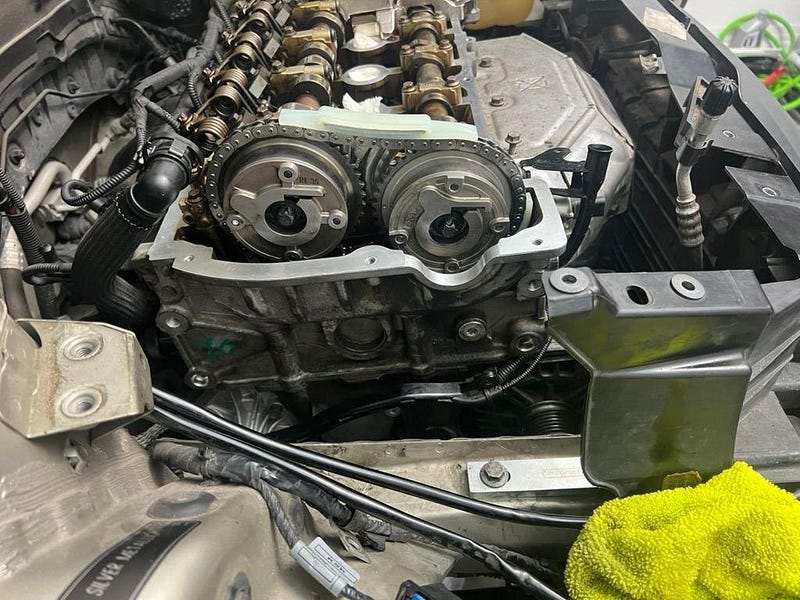
Many vehicles marketed under the MINI name have become known for their fun driving dynamics and compact engineering. However, like many modern engines, they also require careful maintenance to remain reliable over the long term. One component that often attracts attention from owners is the timing chain. Understanding the mini one timing chain replacement cost, recognising early warning signs, and knowing when professional inspection is necessary can help prevent more serious engine damage and unexpected repair bills.
Unlike timing belts, timing chains are designed to last much longer. Even so, they are not maintenance-free. Engine oil quality, driving habits, mileage, and manufacturing tolerances all influence how long a timing chain system performs effectively. For MINI owners across the United Kingdom, learning about timing chain maintenance is an important part of responsible vehicle ownership.
Understanding the Role of a MINI Timing Chain
The timing chain synchronises the crankshaft and camshaft so that engine valves open and close at the correct moments. This precise timing allows the engine to deliver optimal performance, fuel efficiency, and emissions control.
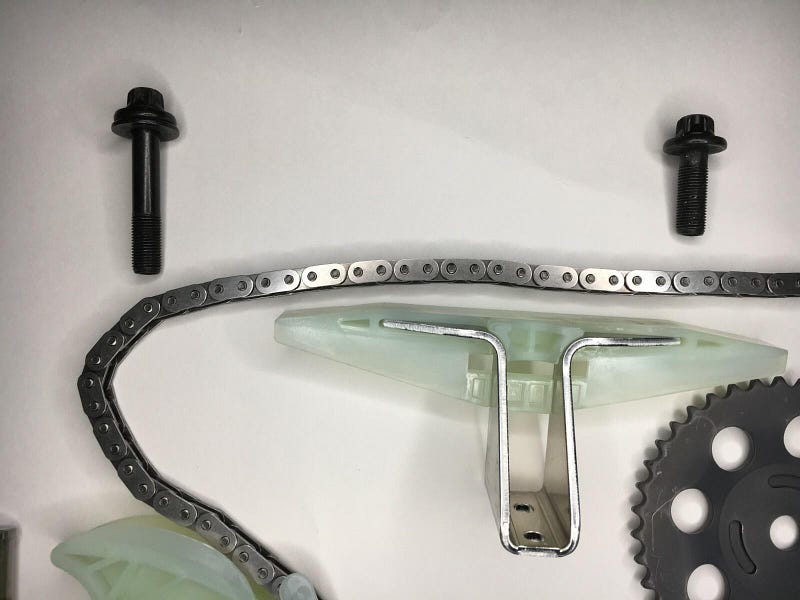
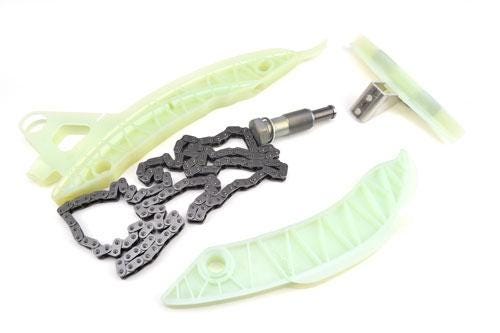
A complete timing chain system typically includes:
- Timing chain
- Chain tensioner
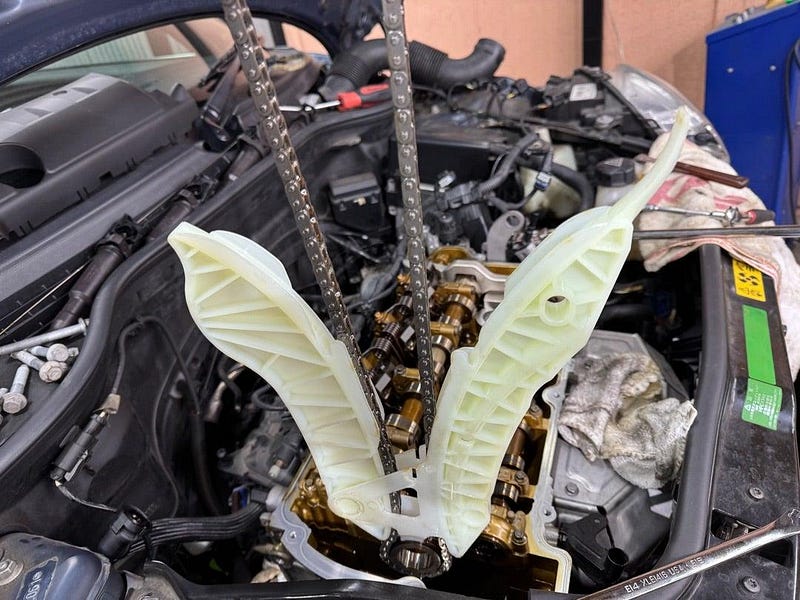
- Guide rails
- Sprockets
- Seals and gaskets
When any of these components begin to wear, the entire system can become less effective. In many cases, replacing only the chain is not enough because other parts may have experienced similar wear.
For owners researching mini timing chain replacement, understanding the complete system rather than focusing on a single component leads to better maintenance decisions.
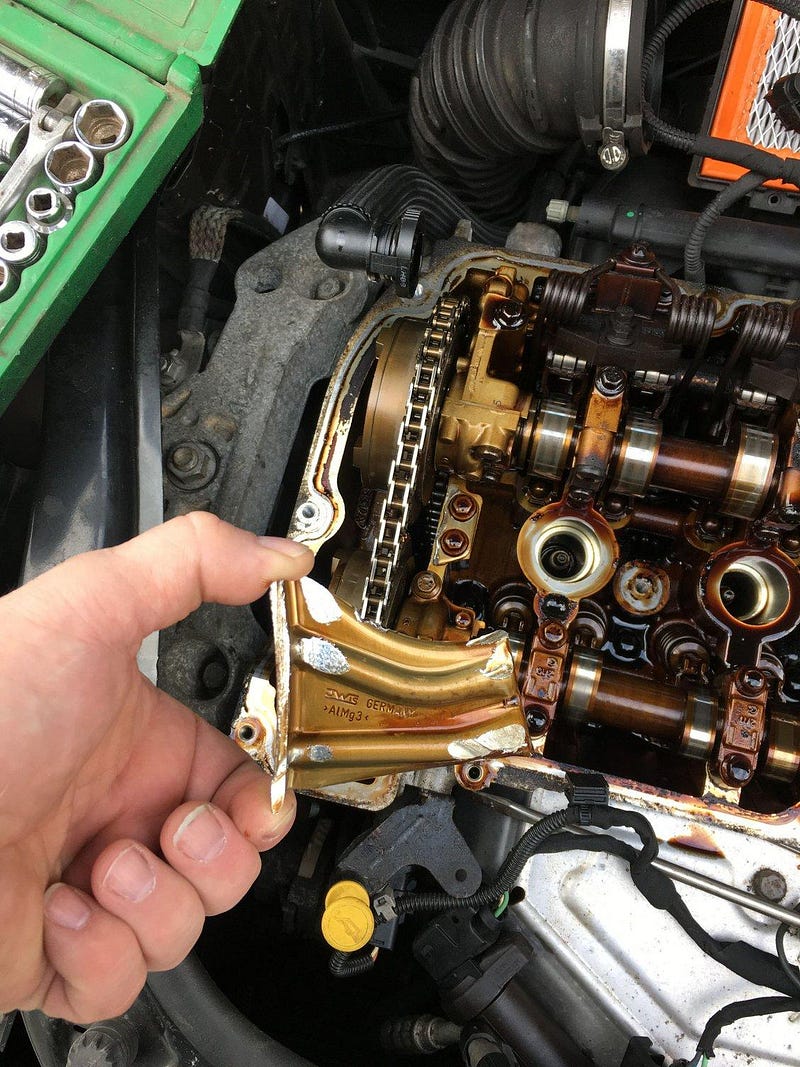
Why Timing Chain Problems Develop
Although timing chains are engineered for durability, they operate under significant mechanical stress every time the engine runs.
Several factors contribute to premature wear:
Poor Oil Maintenance
Clean engine oil lubricates the timing chain and tensioner. Delayed oil changes allow contaminants to circulate, accelerating component wear.
High Mileage
As vehicles accumulate miles, natural wear affects the chain, guides, and hydraulic tensioners.
Cold Starts
Frequent short journeys can increase wear because the chain experiences more cold starts before oil reaches ideal operating temperature.
Tensioner Failure
Hydraulic tensioners rely on proper oil pressure. If they weaken, excessive chain slack may develop.
These factors often work together, meaning regular servicing plays an important role in extending timing chain life.
Common Warning Signs Owners Should Not Ignore
Recognising symptoms early often reduces repair complexity and lowers the overall timing chain replacement cost.
Some common indicators include:
- Metallic rattling during cold starts
- Engine management warning light
- Rough idling
- Reduced acceleration
- Engine misfires
- Poor fuel economy
- Unusual engine noises
A rattling noise that disappears after a few seconds may seem minor initially, but it can indicate increasing slack within the timing chain system.
Ignoring these warning signs may eventually result in incorrect valve timing, severe engine damage, or complete engine failure.
Factors That Influence Timing Chain Replacement Costs
Many vehicle owners search online for an exact repair figure, but replacement costs vary depending on several practical considerations.
Engine Variant
Different MINI engines use different timing chain designs. Labour requirements vary considerably between models.
For example, a mini cooper s timing chain replacement may involve different procedures compared with naturally aspirated MINI engines because of engine configuration and component accessibility.
Labour Complexity
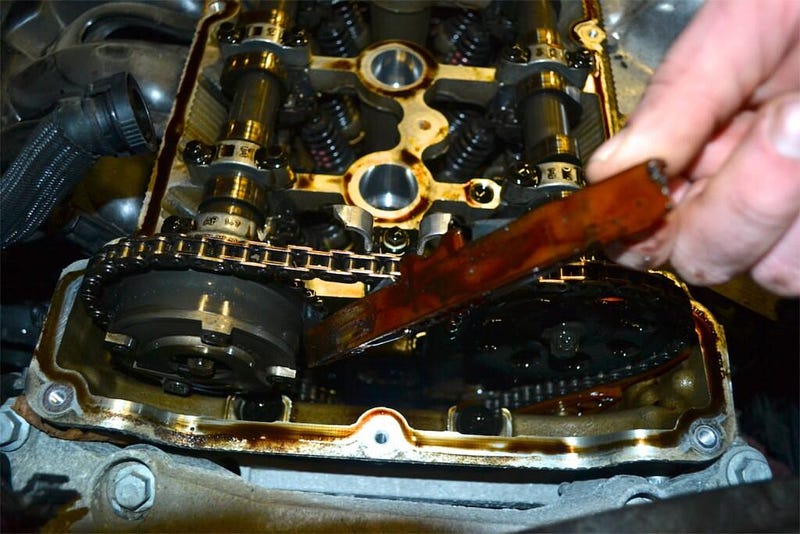
Timing chain replacement is labour-intensive. Mechanics must carefully dismantle several engine components before accessing the chain assembly.
Parts Quality
Professional workshops typically recommend replacing:
- Timing chain
- Chain guides
- Tensioner
- Oil seals
- Gaskets
Using quality replacement components helps improve long-term reliability.
Additional Repairs
If inspection reveals worn sprockets, leaking seals, or damaged guides, these may require replacement during the same repair.
Although this increases initial cost, completing all related work simultaneously often prevents future labour expenses.
Why Early Diagnosis Matters
One of the biggest misconceptions is that timing chain noise can simply be ignored until it becomes worse.
In reality, early diagnosis often produces better outcomes.
When technicians inspect the engine early, they may identify:
- Tensioner wear
- Chain stretch
- Guide deterioration
- Oil contamination
- Minor timing deviations
Addressing these issues before complete failure helps reduce the likelihood of expensive internal engine damage.
Preventative maintenance remains significantly less costly than replacing bent valves or repairing piston damage after timing failure.
Best Practices to Extend Timing Chain Life
Although no component lasts forever, drivers can maximise timing chain longevity through consistent maintenance.
Recommended practices include:
- Follow manufacturer oil change intervals
- Use engine oil with the correct specification
- Replace oil filters regularly
- Investigate unusual engine noises promptly
- Avoid extended periods with low oil levels
- Schedule routine inspections for higher-mileage vehicles
These habits support the lubrication system, which directly influences timing chain durability.
Industry Trends in Modern Engine Maintenance
Modern engines are becoming increasingly efficient while also more technically sophisticated.
Manufacturers continue developing:
- Lightweight timing chain systems
- Improved hydraulic tensioners
- Reduced internal friction
- Enhanced oil circulation
- Better engine management software
While these innovations improve efficiency, they also mean that maintenance accuracy becomes increasingly important.
Today’s technicians rely on specialised diagnostic equipment, manufacturer repair procedures, and precision timing tools to ensure correct installation.
As engine technology evolves, preventative servicing is becoming even more valuable than reactive repairs.
Choosing a Qualified Workshop
Timing chain replacement is one of the more technically demanding engine repairs.
A qualified workshop should demonstrate:
- Experience with MINI engines
- Proper diagnostic equipment
- Manufacturer repair procedures
- Quality replacement components
- Transparent inspection process
Vehicle owners often benefit from obtaining a detailed inspection before authorising repairs, allowing technicians to explain exactly which components require replacement.
For UK drivers researching timing chain concerns, resources such as the guidance provided by S&M Auto Service offer useful information about common MINI timing chain issues and repair considerations without encouraging unnecessary replacement. Their technical overview explains what owners should expect when evaluating timing chain health and repair requirements.
Practical Advice Before Scheduling Repairs
Before committing to timing chain work, owners should gather as much information as possible.
Helpful questions include:
- What caused the timing chain wear?
- Which components will be replaced?
- Are guides and tensioners included?
- Has engine timing been checked electronically?
- Will fresh oil and filters be installed?
Understanding the repair scope provides greater confidence in the work being performed.
Documentation of maintenance history also helps technicians determine whether oil servicing, driving conditions, or normal wear contributed to the issue.
Supporting Long-Term Engine Reliability
Timing chain replacement should not be viewed simply as a repair but as part of maintaining overall engine health.
Once the timing system has been professionally repaired, continued maintenance remains essential.
Owners should continue:
- Regular servicing
- Scheduled oil changes
- Engine diagnostics when warning lights appear
- Immediate investigation of abnormal noises
A proactive maintenance approach typically delivers better reliability over the life of the vehicle.
Conclusion
Understanding the mini one timing chain replacement cost involves more than comparing repair estimates. It requires recognising how the timing chain system functions, identifying early warning signs, and appreciating the importance of preventative maintenance.
Whether researching mini timing chain replacement, evaluating the overall timing chain replacement cost, or learning about mini cooper s timing chain replacement, informed vehicle owners are better positioned to make practical maintenance decisions that protect both engine performance and long-term reliability.
Modern MINI engines deliver an engaging driving experience, but they also depend on accurate mechanical timing to operate correctly. By following recommended servicing schedules, responding promptly to unusual engine symptoms, and seeking advice from experienced automotive specialists when necessary, drivers can significantly reduce the risk of major engine damage while extending the service life of their vehicles. Resources from experienced UK service providers such as S&M Auto Service can serve as a valuable reference for understanding maintenance requirements and making informed repair decisions before minor timing chain issues develop into costly mechanical failures.
More Read :
https://www.linkedin.com/pulse/complete-guide-car-diagnostic-test-uk-services-david-method-fpnef
https://om-office.de/s/HyYiO0lBGg
https://doc.itkonzept.at/s/x-Ip_4emV
https://khajiitnation.com/blogs/53014/Why-Ignoring-Wet-Timing-Belt-Replacement-Can-Lead-to-Costly


 Arabic
 Français
 Español
 Português
 Deutsch
 Türkçe
 Dutch
Dutch
 Italiano
 Russian
 Romaian
 Portuguese (Brazil)
 Greek
Greek