


When to Replace an Implant Crown: Signs to Watch Out For
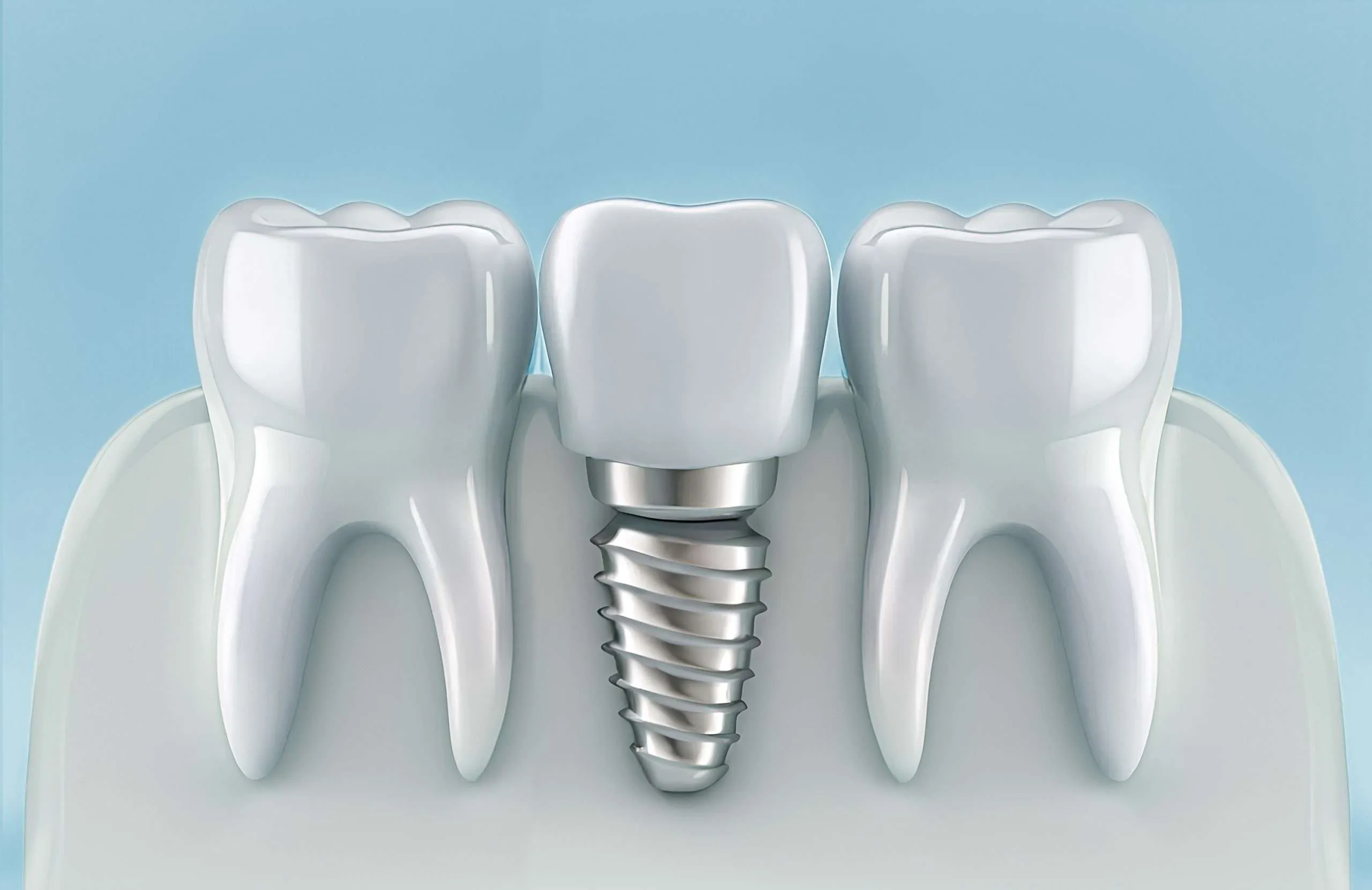
Dental implants are one of the most effective and durable solutions for replacing missing teeth, providing stability, strength, and a natural-looking smile. However, just like natural teeth and traditional crowns, implant crowns can wear out or require replacement after years of use. Knowing when to replace an implant crown is essential to maintain oral health, function, and aesthetics.
Patients in need of advice often search for answers when they feel discomfort, spot visible damage, or experience functional changes in their implant crowns. While the underlying implant fixture is designed to remain long-term, the crown attached to it may need replacement at some stage. Understanding the signs and knowing when to seek professional help can prevent complications and restore confidence in your smile.
Why Implant Crowns Don’t Last Forever
Implant crowns are fabricated using durable materials like ceramic, porcelain, or zirconia. Their strength and aesthetics mimic natural teeth, but no material is completely immune to wear and tear. Unlike the titanium post that integrates with the bone and lasts for decades, the crown itself can face gradual degradation through:
-
Normal chewing forces
-
Habits such as teeth grinding or biting on overly hard foods
-
Ageing of dental materials over time
-
Accidental damage caused by trauma
Even with excellent oral hygiene, crowns may eventually become loose, cracked, or no longer fit comfortably. Recognising early signs of wear ensures timely replacement and prevents secondary issues such as gum irritation, jaw pain, or further tooth complications. With the right care and professional support for your dental implant Swindon, you can prolong the lifespan of your crown while maintaining long-term oral health.
Signs Your Implant Crown May Need Replacement
Knowing what to look out for can save you from future dental emergencies or prolonged discomfort. Below are the key indicators that suggest your crown requires professional evaluation.
Visible Wear or Damage
Cracks, chips, or a noticeably worn-down surface are clear signs that your implant crown is deteriorating. These imperfections not only affect the smile’s appearance but also compromise bite function.
Persistent Discomfort
If you experience ongoing sensitivity, pain, or gum irritation around the implant site, it may mean your crown no longer fits as intended. Continuous discomfort should never be ignored, as it may indicate underlying issues.
Changes in Bite Alignment
Crowns are designed to restore bite balance. Any changes in the way your teeth bite together could signal that your crown has shifted or worn unevenly. Left untreated, this can strain neighbouring teeth or cause jaw tension.
Loose or Wobbly Crown
An implant crown should feel steady. A loose crown may suggest that the bond between the crown and abutment is wearing out, increasing the risk of it falling off during eating or brushing.
Common Causes of Implant Crown Failure
Although crowns are made to withstand everyday wear, certain situations can shorten their lifespan.
Bruxism (Teeth Grinding)
Uncontrolled grinding or clenching exerts excessive pressure and can rapidly wear down or fracture your crown.
Accidents or Trauma
Impact from falls, sporting injuries, or biting unexpectedly hard items may cause fractures.
Poor Oral Hygiene
While implants don’t decay like natural teeth, improper care can cause gum inflammation, peri-implantitis, or infections that destabilise your crown.
Age of the Crown
On average, implant crowns last anywhere between 10 to 15 years. Beyond this, natural signs of wear are expected, making replacement necessary.
How Replacement is Carried Out
Replacing an implant crown is a straightforward procedure compared to placing the original implant. After assessment:
-
The old crown is gently removed.
-
A new impression or digital scan is taken to design a replacement crown that matches the surrounding teeth.
-
A custom crown is created by the dental laboratory.
-
The new crown is fitted, adjusted, and secured for optimal function and aesthetics.
Patients typically find this procedure far more comfortable and less invasive than initial implant surgery.
Preventing Sudden Crown Failure
Although inevitable with time, you can extend the lifespan of your implant crown by being proactive about dental care and lifestyle habits.
-
Practise thorough oral hygiene with twice-daily brushing and regular flossing.
-
Schedule routine dental check-ups to ensure the crown and implant remain healthy.
-
Wear night guards if diagnosed with bruxism.
-
Avoid biting on pens, ice, or overly hard foods that could fracture your crown.
Simple measures go a long way in delaying replacement and safeguarding your dental investment.
Warning Signs You Shouldn’t Ignore
-
A loose or wobbly crown during chewing
-
Repeated gum irritation and soreness around the crown
-
Noticeable cracks, chips, or changes in crown colour
Situations to Seek Immediate Help
-
Sharp pain when biting or chewing
-
Sudden loss of the crown while eating
-
Excessive bleeding or swelling around the implant site
Long-Term Maintenance Tips
-
Attend dental reviews every six months for preventive care
-
Use non-abrasive toothpaste to protect your crown’s surface
-
Wear a sports guard if you participate in contact activities
Comparing Crowns With Other Restorations
The lifespan and maintenance needs of implant crowns can be compared to other restoration types, helping patients make informed decisions.
|
Restoration Type |
Average Lifespan |
Durability |
Maintenance Needs |
Cost Effectiveness |
|
Implant Crowns |
10–15 years |
High |
Medium |
Long-term value |
|
Porcelain Veneers |
7–10 years |
Moderate |
High |
Moderate |
|
Traditional Crowns |
5–15 years |
Moderate |
Medium |
Good |
|
Dentures |
5–8 years |
Low |
High |
Lower upfront |
When to See an Emergency Dentist
In certain cases, waiting for a routine appointment isn’t advisable, as delaying care can worsen the problem. For instance, if the crown breaks mid-meal or you feel sharp pain radiating from your implant site, visiting an emergency dentist in Swindon ensures swift action and prevents further damage. Equally, if swelling, infection, or severe gum irritation develops, immediate professional attention is crucial.
Most implant-related emergencies are manageable if addressed promptly. Emergency services can provide temporary solutions, after which a permanent crown replacement can be scheduled.

Balancing Function and Aesthetics
An implant crown is not just about restoring the ability to chew but also about aesthetics and confidence in your smile. A damaged crown can make individuals self-conscious and affect their daily life. Modern replacement crowns are designed to be highly aesthetic, blending seamlessly with natural teeth while restoring complete bite function.
Patients often remark how a newly fitted crown feels more comfortable, looks natural, and restores confidence in both professional and social settings.
Video Link : https://rumble.com/v6qgole-restore-your-smile-with-expert-dental-implants-long-lasting-and-natural.html
Conclusion
Implant crowns are durable but not indestructible. With time, signs like wear, discomfort, loosening, or visible cracks may suggest replacement. Recognising these indicators early ensures a smooth and timely intervention, preventing complications. Whether for routine reviews or urgent needs like visiting an emergency dentist in Swindon, maintaining awareness of crown health safeguards long-term results. If you are considering replacement options or need advice on maintaining your dental implant Swindon, the team at EDS can provide tailored care and long-lasting solutions.



 English
 Arabic
 French
 Spanish
 Portuguese
 Deutsch
 Dutch
Dutch
 Italiano
 Russian
 Romaian
 Portuguese (Brazil)
 Greek
Greek