


The mainstream material of animorphic lenses
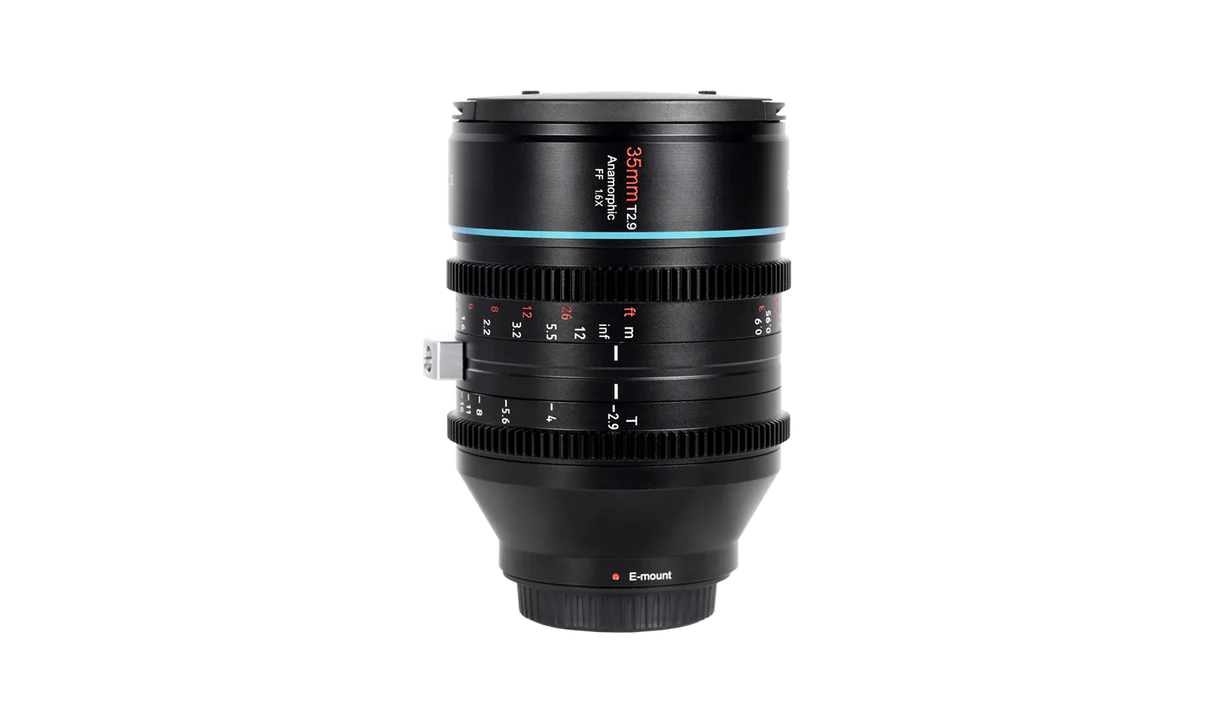
The mainstream material of animorphic lenses
The mainstream materials for animorphic lenses mainly include high borosilicate glass and optical plastics (such as PC, PVC, ABS, etc.).
glass material
High borosilicate glass has high transparency (transmittance can reach 80% -95%) and good heat resistance, making it suitable for applications such as LED lighting lenses that require high optical performance. For example, irregular high borosilicate glass lenses can be customized for production and are suitable for lighting equipment.
plastic material
PC (polycarbonate), PVC, ABS and other plastic materials have lower costs and can achieve complex shaped irregular designs through injection molding technology. This type of material is widely used in LED lighting accessories, such as lampshade lenses, and some imported raw material products can achieve high light transmittance.
The selection of different materials needs to be combined with specific application scenarios: glass is suitable for high-precision optical scenes, while plastic is more suitable for cost sensitive large-scale production.



 English
 Arabic
 French
 Spanish
 Portuguese
 Deutsch
 Turkish
 Italiano
 Russian
 Romaian
 Portuguese (Brazil)
 Greek
Greek