


The Role of Professional Demolition in Modern Home Renovations

Home renovation has become more popular than ever as homeowners look for ways to improve comfort, update designs, and increase property value. While many people focus on the final results—new kitchens, open layouts, fresh floors, and modern fixtures—what often gets overlooked is the step that makes all of it possible: professional demolition.
Demolition is more than tearing things apart. It is the foundation of a successful renovation. It clears the old, prepares the structure, reveals hidden issues, and ensures new construction is built on safe and stable ground. Without proper demolition, even the most beautiful renovation can run into delays, problems, or costly repairs.
This article explores the important role demolition plays in today’s renovation projects, why it matters, how it works, and what homeowners should know before getting started.
What Is Renovation Demolition and Why Is It Necessary?
Renovation demolition refers to the selective removal of parts of a home to make room for new construction. This can include walls, flooring, ceilings, cabinets, old wiring, plumbing, or even entire rooms. The goal is to prepare the home so new upgrades can be installed safely, correctly, and efficiently.
There are several reasons demolition is necessary in renovation projects:
It removes outdated materials
Renovations often involve replacing old or worn-out elements such as flooring, fixtures, drywall, or structural components. Demolition clears these outdated materials so new ones can be installed properly.
It exposes hidden issues
Behind walls and under floors are plumbing lines, electrical systems, insulation, and framing. Demolition reveals the true condition of these areas, allowing contractors to address issues before new construction begins.
It supports modern layouts
Many homeowners want open floor plans, larger bathrooms, extended kitchens, or expanded living spaces. Achieving this often requires removing existing walls or structures, which is only possible with safe and strategic demolition.
It provides a clean starting point
Proper demolition ensures the renovation begins on solid ground. Instead of building over old problems, it prepares a clean, stable base for everything new.
Types of Demolition Used in Renovations
Not all renovations require the same kind of demolition. Professionals use different methods depending on the project goals.
Selective Demolition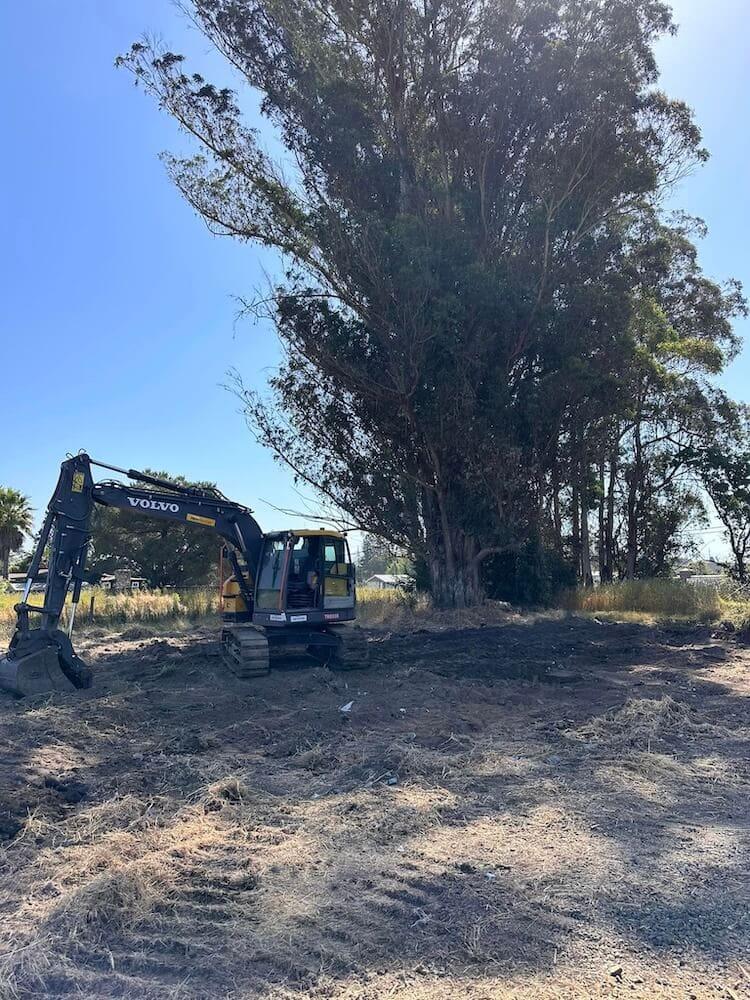
Selective demolition is the most common for renovations. Only specific areas are removed while the rest of the structure remains intact. This method is precise and keeps the project controlled.
Examples include:
• Removing interior walls
• Taking out old flooring
• Demolishing bathrooms or kitchens
• Removing ceilings or drywall
• Clearing out old fixtures
Interior Demolition
Interior demolition focuses only on the inside of the home. This is necessary when the layout is being redesigned or upgraded.
Interior demolition includes:
• Cabinet removal
• Taking down partitions
• Removing carpeting or tile
• Demolishing fireplaces
• Clearing out insulation
Structural Demolition
This is required when load-bearing walls, beams, or major elements must be removed. It requires skilled contractors who understand structural engineering to ensure the home remains stable.
Hand Demolition
Some areas are too delicate for machines. Contractors use hand tools to carefully remove features without damaging surrounding parts of the structure.
How Proper Demolition Protects the Home
Demolition is not just about clearing space. It plays an important role in protecting the home throughout the renovation.
Prevents Accidental Damage
Removing a wall incorrectly can damage floors, ceilings, or electrical systems. Professionals know the safe sequence and method for dismantling each part of a home.
Maintains Structural Integrity
Special care must be taken when working near load-bearing walls. Professionals use temporary supports, protective barriers, and correct techniques to ensure the structure remains stable.
Identifies Safety Hazards Early
Demolition uncovers:
• old wiring
• water leaks
• pests
• mold
• asbestos
• damaged studs
• outdated plumbing
These issues, if left hidden, could create safety hazards or costly repairs during the renovation.
Improves Work Efficiency
A clean, well-prepared site helps builders, electricians, plumbers, and installers work faster and with fewer interruptions.
The Demolition Process in a Renovation Project
Renovation demolition follows a detailed process to ensure safety, efficiency, and compliance with building codes.
Step 1: Planning and Assessment
Before anything is removed, contractors evaluate the structure, identify load-bearing walls, locate utilities, and test for hazardous materials. This step prevents dangerous surprises during the project.
Step 2: Permits and Regulations
Many cities require demolition permits, even for interior work. A professional contractor handles permits, follows codes, and ensures the project meets regulations.
Step 3: Utility Disconnection
Electricity, gas, water, and HVAC systems are shut off or isolated to prevent accidents.
Step 4: Protective Preparations
Contractors set up dust barriers, floor coverings, and protective materials to keep the rest of the home clean and safe.
Step 5: Soft Stripping
All removable items such as cabinets, doors, trim, and fixtures are taken out first. This step also allows for recycling when possible.
Step 6: Structural Removal
Walls, flooring, ceilings, or other major components are demolished using the correct tools and techniques.
Step 7: Debris Removal
Materials are sorted, recycled, and hauled away. Keeping a clean site maintains order and safety.
Step 8: Site Preparation for Construction
The area is cleaned, inspected, leveled, and prepared for the renovation phase.
The Importance of Hiring a Professional Demolition Contractor
Some homeowners consider doing demolition themselves, but renovation demolition requires professional skill. Here are the main reasons why hiring an expert matters.
Safety
Demolition involves risks such as electrical hazards, falling debris, contaminated materials, and structural collapse. Professionals have the training to prevent accidents.
Knowledge of Load-Bearing Structures
Removing a load-bearing wall without proper support can cause severe damage or collapse. Contractors understand structural engineering and know how to handle these areas safely.
Access to Proper Equipment
Professional demolition requires:
• heavy-duty tools
• dust control systems
• debris removal equipment
• safety gear
These are not typically available to homeowners.
Efficient Waste Management
Demolition generates large amounts of debris. Professionals sort, recycle, and dispose of materials responsibly.
Time Savings
What might take a homeowner weeks can often be completed by a professional in days.
How Demolition Supports Modern Design Trends
Many popular design trends today rely on effective demolition work. Some include:
Open Floor Plans
Removing walls requires careful demolition, proper support installation, and a safe approach.
Larger Kitchens
Kitchen renovations often involve tearing out old cabinets, floors, counters, and sometimes walls.
Spa-Like Bathrooms
Upgrading a bathroom usually means removing tile, tubs, showers, plumbing, and lighting to make space for modern features.
Basement Transformations
Basement finishing begins with clearing old framing, flooring, and insulation.
Energy-Efficient Upgrades
Sometimes old materials must be removed to install insulation, new wiring, or efficient HVAC systems.
Good demolition makes these upgrades possible without damaging the rest of the home.
Common Mistakes Homeowners Make During Renovation Demolition
Avoiding mistakes can save time, money, and stress. Some common errors include:
• Removing walls without checking if they are load-bearing
• Attempting demolition without permits
• Failing to shut off utilities
• Using the wrong tools
• Underestimating debris volume
• Ignoring hidden hazards such as mold or asbestos
• Trying to rush the process
A professional team prevents these costly problems.
What Homeowners Can Expect During the Process
Understanding what will happen helps homeowners prepare:
• Noise and vibrations are normal
• There will be dust, even with barriers in place
• Some areas may be temporarily inaccessible
• Debris will be removed daily
• Contractors will communicate progress
• Timelines vary based on complexity
Homeowners should also plan to remove valuable items and keep pets or children away from work zones.
Final Thoughts
Demolition is the hidden foundation of every successful renovation. It clears old materials, exposes important structural details, and prepares the home for new construction. While it may seem simple, demolition requires expertise, safety knowledge, and the right tools. Hiring a professional demolition contractor ensures your renovation begins with a clean, stable, and safe environment.
When done correctly, demolition sets the stage for a smooth, efficient, and high-quality renovation that transforms your home into a space that looks new, feels modern, and functions better for years to come.



 Arabic
 French
 Spanish
 Portuguese
 Deutsch
 Turkish
 Dutch
Dutch
 Italiano
 Russian
 Romaian
 Portuguese (Brazil)
 Greek
Greek