


Power Tool Batteries Compatibility Guide
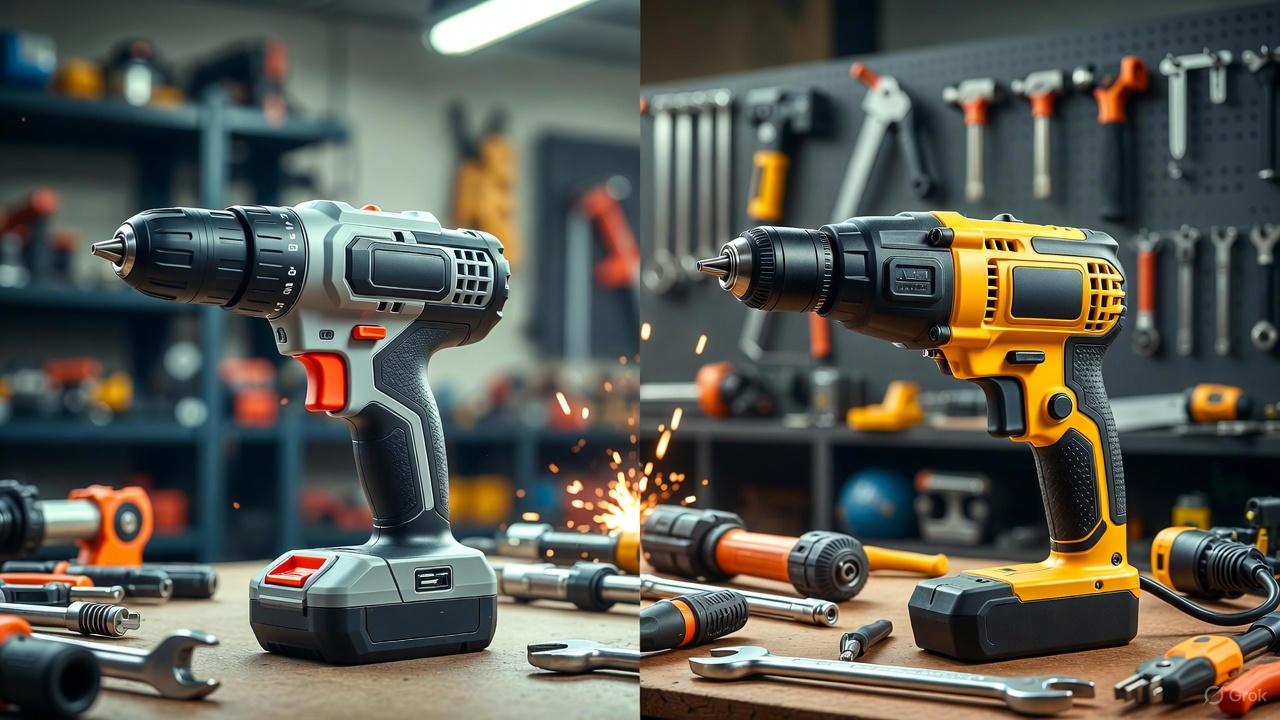
Your power tools depend on the right battery. A strong motor needs steady current, stable temperature, and a pack that matches voltage and platform. Wrong choices waste money and cause poor runtime. This guide helps you choose the right power tool battery option for each brand. You learn what fits, what does not fit, and how to avoid common problems. You also learn how each brand builds its platform and how those choices shape your experience.
Why Compatibility Matters
Your tool draws power at a specific voltage. The tool housing locks the pack into position so the contacts line up. A battery from a different brand rarely matches that shape. Voltage differences also create safety issues. Wrong packs trigger faults, short cycles, or fast heat buildup.
You avoid these problems when you understand each platform structure and match the pack with the exact line. Every major brand lists voltage groups and platform names. These groups stay locked. You stick with that group for each future tool and battery purchase.
Makita Batteries
Makita uses the LXT platform for most cordless tools. LXT uses 18 volts with a slide style battery. These packs support drills, saws, grinders, and outdoor gear. The design holds the contacts on top so the pack remains stable under load.
Makita also offers the XGT line for heavier gear. XGT uses 40 volts for deeper cuts and stronger motors. LXT and XGT do not cross over. Each platform uses its own charger and pack shape.
Most users with older tools stay with LXT. The runtime stays strong for daily tasks. LXT packs handle long sessions with steady heat control. You pick capacity based on your job size. High capacity suits full workdays. Mid capacity suits quick repairs.
Craftsman Batteries
Craftsman uses the V20 platform. These packs run on 20 volts with a slide mount. The tools accept only V20 packs. Craftsman also has the older NiCd style from past years. Those older packs do not fit V20 tools.
V20 packs hold decent power for home projects. Many users build a small kit with two or three packs to support drills, lights, and yard tools. You get steady runtime and good durability for medium size tasks.
Craftsman batteries packs offer short charge times, which helps during busy work. Keep your charger in a cool area to reduce heat around the pack. This habit supports long life.
Milwaukee Batteries
Milwaukee builds two main groups. M12 covers small tools. M18 covers heavy gear. These platforms use different mounts, shapes, and voltage levels. They never cross over.
M12 excels with compact drills, lights, ratchets, and inspection tools. These packs feel light and easy to handle. Many technicians rely on them for tight spaces.
M18 supports grinders, saws, drills, and impact tools. The packs deliver strong current for long periods. Many M18 tools draw high loads, so the pack must handle stress without fast heat buildup. High quality Milwaukee batteries packs deliver steady output for long periods.
Milwaukee users build large tool kits because both platforms offer wide selection. You stay within each group to avoid fit issues.
Ryobi Batteries
Ryobi uses the ONE Plus system. These packs run on 18 volts. The mount shape locks the pack in a simple way so users switch between many tools with no trouble. ONE Plus works with new and old tools because Ryobi keeps the same design across generations.
Users enjoy strong value from this system because one pack supports drills, saws, vacuums, fans, trimmers, and more. The chargers remain simple and safe. You pick capacity of Ryobi batteries based on your workload. Mid size packs give enough runtime for most home tasks. Larger packs add weight but support yard gear.
ONE Plus remains popular among homeowners because the entry cost stays low and the tool range stays wide.
DeWalt Batteries
DeWalt builds the 20V Max system for general tools and the FlexVolt system for high draw gear. The 20V Max pack fits drills, saws, lights, nailers, and many outdoor tools. These packs offer strong runtime and stable power.
FlexVolt adds a special feature. The pack shifts between 20 volts and 60 volts depending on the tool. This feature supports massive tasks like heavy cuts or long grinding sessions. FlexVolt packs also fit 20V Max tools, so you get flexibility across your kit. This makes the platform strong for users who handle varied tasks.
DeWalt batteries packs show steady heat control. This supports long life when you follow good charging habits. Keep the pack away from direct heat and store it in a temperate space.
Bosch Batteries
Bosch delivers two primary systems. The 12 volt line supports compact tasks. The 18 volt line handles heavier loads. The 12 volt packs feel light and suit precision work. The 18 volt packs have strong current output and support demanding tools.
Both platforms use slide mounts. They also use advanced heat control systems. Bosch designs its cells to hold stable temperature during strain. This supports long life and steady runtime.
Users appreciate the consistent fit across old and new tools. Bosch avoids drastic shape changes. This protects your investment and helps you build a reliable kit.
Cross Brand Compatibility Myths
Some stores advertise cross brand adapters. These adapters create extra contact points between the tool and the pack. These points increase resistance and raise heat. They also create risk because the tool draws current at levels that exceed the adapter design.
You avoid adapters because they disrupt safety systems. Each brand builds its own communication method between tool and pack. Adapters break that method. They also increase wear on the tool. A direct match remains the safest choice.
Voltage Rules You Should Follow
Keep these simple rules in mind:
• Match the exact platform name
• Use packs and chargers from the same brand
• Stay within the same voltage group
• Follow storage guidelines
• Replace worn packs early to avoid tool strain
These rules protect your tools and give you smooth performance across your projects.
How to Pick the Right Capacity
Capacity shapes runtime and weight. A large pack supports long sessions, but it adds weight. A small pack feels light but drains faster.
Choose based on your workload. Short repairs need small packs. Long building sessions need mid or high capacity. Yard tools need large capacity because motors draw more current in outdoor debris.
How to Extend Battery Life Across All Brands
These steps improve battery life for Makita, Craftsman, Milwaukee, Ryobi, DeWalt, and Bosch:
• Charge at room temperature
• Avoid leaving packs in direct heat
• Store packs at half charge during long breaks
• Clean tool vents to support airflow
• Let the pack rest after heavy use
• Rotate multiple packs during long tasks
• Use the right charger for each brand
These habits slow wear and reduce heat. Heat shortens life fast. Cool conditions support steady performance.
Common User Problems and Solutions
Users often face these issues:
• Short runtime
• Fast heat buildup
• Sudden shutoff under load
• Slow charging
• Loose fit on the tool
Short runtime points to cell fatigue. Replace the pack early.
Fast heat shows airflow problems or overloaded tools.
Sudden shutoff signals voltage drop. A fresh pack solves this issue.
Slow charging points to an aging charger.
Loose fit signals a worn latch or low grade pack design.
Simple checks solve these problems with minimal effort.
Final Thoughts
Your tools perform at their best when your batteries match the correct system. Makita, Craftsman, Milwaukee, Ryobi, DeWalt, and Bosch each build strong platforms. You pick the one that fits your workload. You stay within each platform to protect runtime, safety, and long term value. A reliable battery gives you stable power, steady heat control, and smooth performance across every project.
FAQs
Are power tool batteries interchangeable?
Power tool batteries are not interchangeable across brands. Each brand builds its own voltage system, contact layout, and lock design. You avoid mixing packs because the wrong match triggers shutoffs, weak runtime, or heat issues. Even brands with the same voltage use different housings. You stick with the exact platform name on your tool. A Milwaukee M18 pack fits only M18 tools. A Ryobi ONE Plus pack fits only ONE Plus tools. Check the label before you buy a new pack. This simple step protects performance and keeps your tools working at full strength.
Power tool battery compatibility chart
A power tool battery compatibility chart helps you match the right pack with your tool. Each brand follows its own platform line. Makita uses LXT and XGT. Milwaukee uses M12 and M18. Ryobi uses ONE Plus. DeWalt uses 20V Max and FlexVolt. Bosch uses 12V and 18V platforms. These groups never cross over. The chart helps you avoid wrong voltage, wrong shape, or risky adapters. You check the platform name printed on your tool before you buy a replacement pack. This simple check protects runtime, safety, and long term performance.
Do different brands share the same battery design
No. Each brand builds its own shape, contacts, and voltage rules. Packs rarely fit across brands.
Should you mix old and new chargers within the same brand
You stick with chargers from the same platform. This protects your pack and keeps charge cycles safe.
How long does a power tool battery stay healthy
Most packs deliver strong performance for one to three years depending on workload and storage habits. Cooler storage and clean tools support longer life.



 English
 Arabic
 French
 Spanish
 Portuguese
 Deutsch
 Turkish
 Dutch
Dutch
 Italiano
 Russian
 Romaian
 Greek
Greek