


What Happens to a Car After Its Last Drive? A Sustainability Story Few People Know
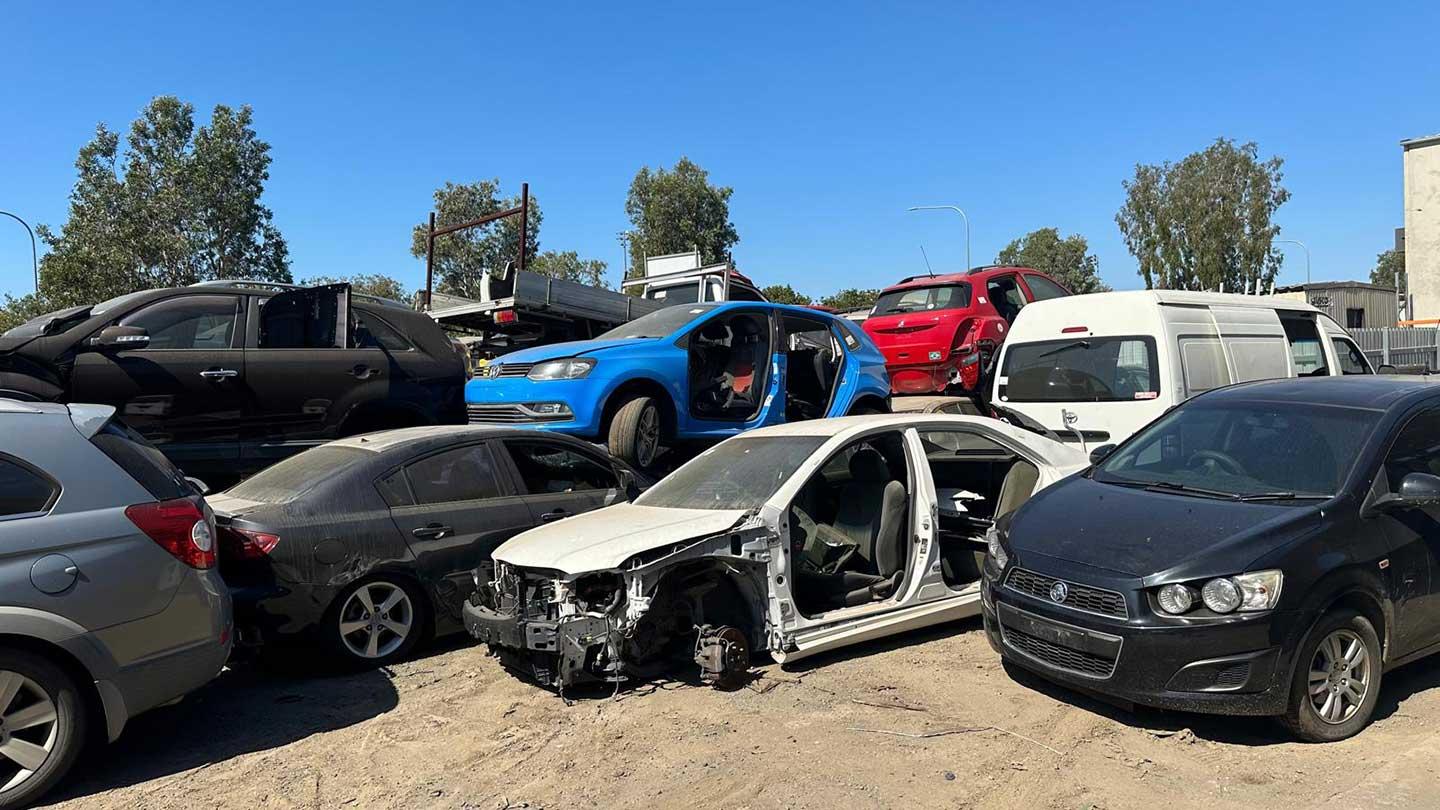
Every car reaches a final drive. The engine may fail, rust may spread, or repairs may cost more than the vehicle is worth. Once the keys are put down for the last time, many people stop thinking about what comes next. The truth is that a car does not lose its purpose after its final journey. It enters a quiet process that supports sustainability and reduces waste.
In Australia, end of life vehicles form a large waste stream each year. When handled with care, these vehicles turn into sources of raw materials rather than landfill problems. This process supports a circular way of using resources, where materials stay in use for longer periods.
The First Step After the Last Drive
After the final drive, the car is usually removed from the road. Registration is cancelled, and the owner decides what to do next. Leaving a car to decay causes oil leaks, battery damage, and soil pollution. Recycling avoids these issues.
Once collected, the vehicle is checked. This inspection helps identify parts that still work. Many cars reach the end due to body damage while internal parts remain usable. This step sets the base for material recovery.
Removal of Reusable Parts
Before crushing or shredding, workers remove parts that still function. Engines, transmissions, alternators, starters, mirrors, doors, and seats may all be taken out. These parts extend the life of other vehicles.
Using existing parts lowers the demand for new manufacturing. It also reduces energy use, since making a new engine or gearbox requires mining, transport, and heavy processing. Reuse keeps materials active within the system.
Safe Handling of Fluids and Hazardous Materials
Cars contain fluids that can harm the environment. Engine oil, coolant, brake fluid, and fuel residue need safe removal. Car batteries also contain lead and acid, which can damage land and water if ignored.
During vehicle recycling, these materials are drained and treated. Used oil can be refined and reused. Lead from batteries often returns to new battery production. This careful handling protects ecosystems and public health.
Metal Separation and Recycling
Metal makes up most of a car. Steel forms the frame and body. Aluminium appears in engines, wheels, and panels. Copper runs through wiring systems.
After parts and fluids are removed, the remaining shell is crushed and shredded. Magnets separate steel. Other methods sort aluminium and copper. These metals move to smelters, where they melt and return as raw material.
Recycling steel uses far less energy than producing it from iron ore. Aluminium recycling saves even more energy. These savings reduce emissions and limit mining activity across Australia.
Plastics, Glass, and Rubber
Modern vehicles use large amounts of plastic. Dashboards, trims, and bumpers rely on strong plastic blends. Glass from windscreens and windows also holds reuse potential.
Plastics can be shredded and repurposed into industrial items. Glass can turn into construction material or insulation. Tyres, made from rubber, often become road base, playground surfaces, or mats. Each reused material lowers landfill pressure.
The Role of Local Car Wrecking Yards
Car wrecking yards play a key role in this process. They connect vehicle owners with recycling networks. Local operations reduce transport distances, which lowers fuel use.
People searching for Best Car Wreckers Brendale often want a service that handles vehicles with care for both materials and the environment. This search trend shows rising public interest in sustainability linked to vehicle disposal.
A Local Sustainability Link
In North Brisbane, one local service, North Brisbane Wreckers, fits into this cycle in a natural way. By collecting unwanted vehicles, removing usable parts, and sending remaining materials for recovery, the operation supports responsible vehicle disposal. This approach reduces waste while helping materials return to use within local industries. When viewed through a sustainability lens, this work becomes part of a wider effort to manage resources wisely after a car reaches the end of its road life.
Economic Impact of Vehicle Recycling
Recycling cars also supports the economy. Jobs exist in collection, dismantling, sorting, transport, and processing. These roles often stay within local communities.
Recovered metals supply Australian manufacturing sectors. Using recycled material lowers production costs and reduces reliance on imported raw resources. This strengthens local supply chains.
Environmental Outcomes Beyond Waste Reduction
The environmental effects go beyond keeping cars out of landfill. Less mining reduces land disturbance. Lower energy use cuts greenhouse gas output. Proper fluid handling protects waterways.
Each recycled car reduces long term environmental risk. When multiplied across thousands of vehicles each year, the impact becomes clear and measurable.
Challenges Within the Process
Vehicle recycling still faces challenges. Modern cars contain complex electronics and mixed materials. Separating these parts requires care and planning. Electric and hybrid vehicles also introduce battery management needs that require strict safety controls.
Ongoing improvements in recycling methods aim to meet these challenges. As vehicle design changes, recovery processes continue to adjust.
Why Awareness Matters
Many people still see old cars as waste with no future. Understanding what happens after the last drive changes that view. Each car holds materials that can return to use with the right handling.
Public awareness helps increase responsible disposal choices. These choices support sustainability goals at both local and national levels.
The Story Continues After the Engine Stops
A car does not reach the end of its story when it stops moving. Its materials move forward into new roles. Steel becomes structure. Aluminium becomes product. Rubber becomes surface. Fluids return through treatment systems.
This hidden journey shows how everyday items support sustainability when handled with care. The next time a car reaches its final drive, its role in the resource cycle is only beginning.



 Arabic
 French
 Spanish
 Portuguese
 Deutsch
 Turkish
 Dutch
Dutch
 Italiano
 Russian
 Romaian
 Portuguese (Brazil)
 Greek
Greek