


The Role of the Amalgam Condenser in Modern Dentistry
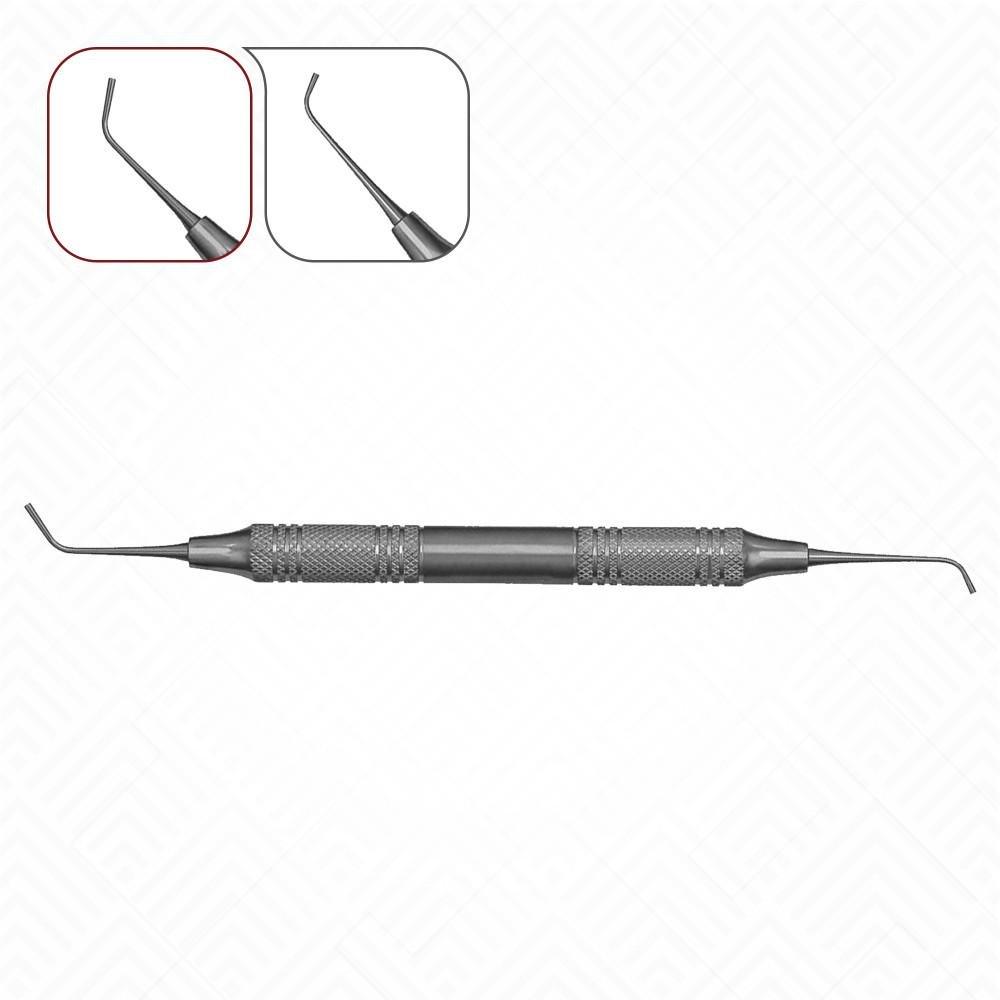
In the field of restorative dentistry, precision is not just a goal; it is a requirement. Every instrument plays a crucial part in achieving successful patient outcomes. Among these essential tools is the amalgam condenser, a staple in dental practices for decades. Understanding its function, design, and proper use is fundamental for dental professionals dedicated to providing durable and effective restorations.
Understanding the Primary Function
The primary purpose of an amalgam condenser is to pack and condense dental amalgam into a prepared tooth cavity. After the amalgam material is mixed and placed, this instrument is used to apply vertical and lateral pressure. This process adapts the amalgam to the cavity walls, floor, and margins, ensuring a dense, void-free filling that will withstand the forces of mastication over time.
Key Design Characteristics
An amalgam condenser typically features a handle and one or two working ends. These ends can be smooth or serrated and come in various shapes and sizes, such as round, triangular, or rectangular. This variation allows dental professionals to select the most appropriate instrument for the specific size and shape of the cavity preparation, from small occlusal pits to larger, more complex restorations.
The Importance of Proper Technique
Effective use of this instrument is critical for the longevity of an amalgam restoration. The condensation process involves systematically layering and packing the amalgam with firm pressure. Proper technique eliminates porosity, which can weaken the final restoration and make it susceptible to fracture or marginal breakdown. Each layer must be thoroughly condensed before the next is added, creating a homogenous and strong final structure.
Choosing Quality Instrumentation
For surgeons, students, and healthcare professionals who demand excellence, the quality of their instruments is paramount. New Med Instruments understands this need and is committed to providing superior surgical and dental tools. A high-quality amalgam condenser is crafted from durable materials like stainless steel, offering a comfortable grip and a balanced feel to reduce hand fatigue during procedures.
Serrated vs. Smooth-Faced Condensers
The choice between a serrated or smooth-faced working end often comes down to clinician preference and the specific clinical situation. Serrated condensers are designed to grip the amalgam material, potentially enhancing the packing force and reducing slippage. In contrast, smooth-faced condensers are excellent for the final layers of condensation, creating a smoother surface that is easier to carve and finish.
Maintaining Your Dental Instruments
Proper care and sterilization are essential to maintain the integrity and lifespan of any dental instrument. An amalgam condenser should be thoroughly cleaned of all residual material immediately after use. Following proper autoclaving protocols ensures that the instrument remains sterile and safe for every patient, reflecting a commitment to the highest standards of clinical hygiene.
The Evolution of Restorative Materials
While composite resins have grown in popularity, dental instrument remains a trusted and widely used restorative material due to its durability, ease of use, and cost-effectiveness. As long as amalgam is used in clinical practice, the amalgam condenser will continue to be an indispensable tool for dental professionals aiming to achieve perfect and precise results for their patients.
A Commitment to Precision and Quality
At New Med Instruments, we are dedicated to supporting the dental community by providing instruments that meet the highest standards of performance and reliability. We recognize that skilled professionals require tools that match their expertise. A well-crafted amalgam condenser is more than just a piece of metal; it is an extension of the clinician's hand, enabling them to deliver the best possible care. Our global commitment is to offer superior service and quality instruments to professionals who value perfection.


 Arabic
 Français
 Español
 Português
 Deutsch
 Türkçe
 Dutch
Dutch
 Italiano
 Russian
 Romaian
 Portuguese (Brazil)
 Greek
Greek