


How to Reset Your Mind and Body After Burnout
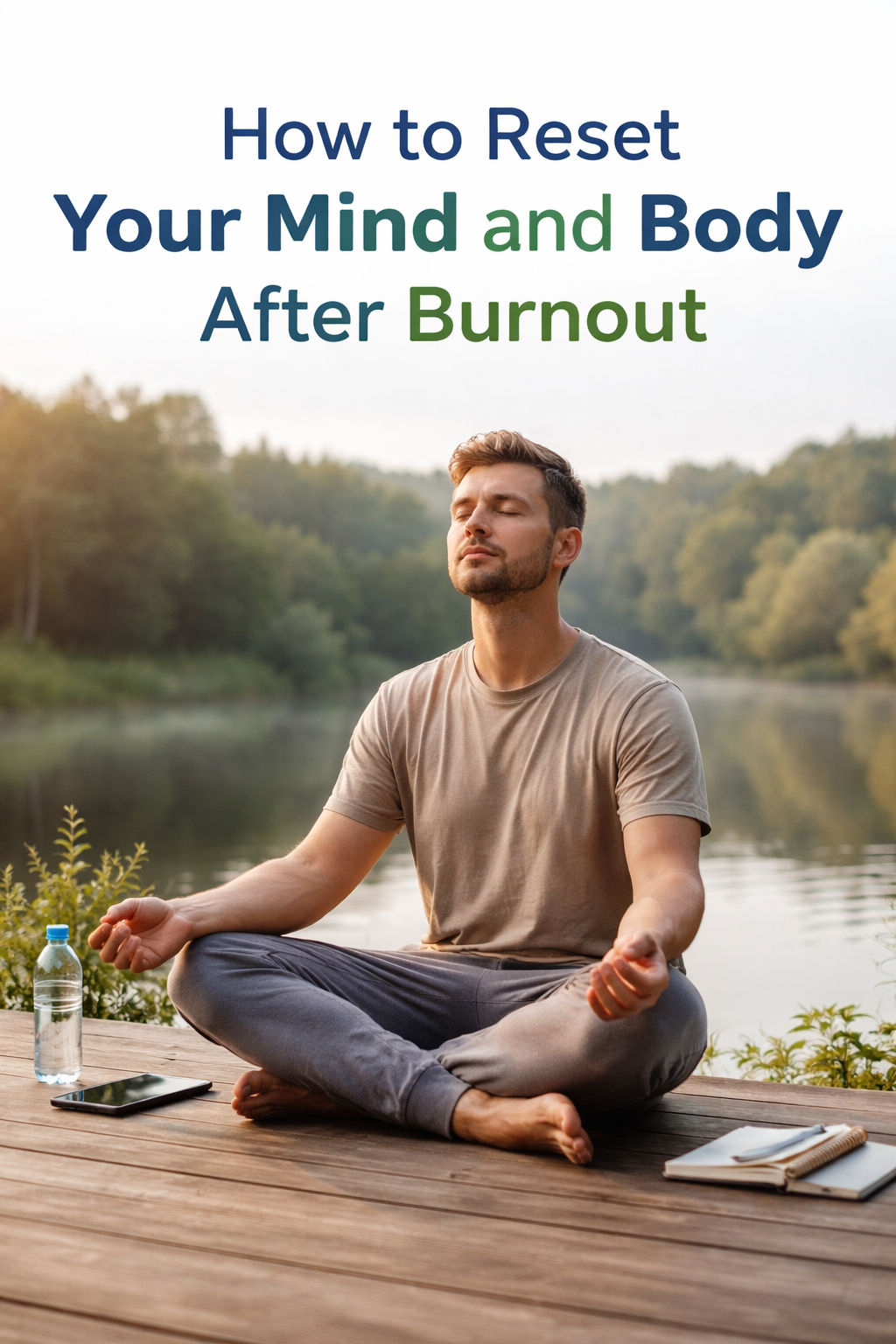
Burnout does not happen overnight. It builds slowly — through prolonged stress, constant pressure, lack of rest, and ignoring early warning signs. At first, you may feel slightly tired. Then the focus becomes harder. Motivation fades. Eventually, even simple tasks feel overwhelming.
Burnout affects both the mind and the body. It drains emotional energy, reduces productivity, disrupts sleep, and weakens physical vitality. The good news is that recovery is possible. Resetting yourself does not require drastic measures — it requires intentional restoration.
Here’s how to rebuild your mental and physical balance step by step.
1. Acknowledge the Burnout Without Guilt
The first step is acceptance. Many people try to push harder when they feel exhausted, believing productivity will fix the problem. In reality, ignoring burnout prolongs recovery.
Recognize the signs:
-
Constant fatigue even after rest
-
Irritability or emotional numbness
-
Lack of focus
-
Decreased motivation
-
Sleep disturbances
Acknowledging burnout is not a weakness. It is awareness — and awareness creates change.
2. Pause Before You Plan
When overwhelmed, the instinct is to reorganize everything immediately. However, your nervous system needs calm before it needs strategy.
Take a short pause:
-
Reduce non-essential commitments
-
Avoid major decisions temporarily
-
Allow mental space
Even a few days of lowered pressure can begin resetting your internal balance.
3. Repair Your Sleep Rhythm
Burnout often disrupts sleep patterns. Some people oversleep, while others struggle with insomnia. Quality sleep is the foundation of recovery.
To restore sleep:
-
Maintain consistent bed and wake times
-
Limit screen exposure at night
-
Keep your room dark and quiet
-
Avoid late caffeine
Rest restores cognitive clarity and emotional stability faster than any productivity tool.
4. Reintroduce Gentle Movement
Intense exercise may feel overwhelming during burnout. Instead of pushing hard, start gently.
Consider:
-
Slow walks outdoors
-
Light stretching
-
Breathing-focused yoga
-
Basic mobility exercises
Movement improves circulation, reduces stress hormones, and releases physical tension stored in the body.
The goal is renewal, not exhaustion.
5. Simplify Your Responsibilities
Burnout often stems from overcommitment. Review your obligations honestly.
Ask yourself:
-
What can be postponed?
-
What can be delegated?
-
What is unnecessary?
Reducing mental load creates room for recovery. Productivity improves when pressure decreases.
6. Nourish Instead of Numb
During burnout, many people rely on quick comfort — excessive caffeine, sugar, or mindless scrolling. While these offer temporary relief, they extend fatigue long term.
Instead, focus on nourishment:
-
Balanced meals
-
Proper hydration
-
Fresh air
-
Sunlight exposure
Simple physical care strengthens emotional resilience.
7. Reconnect With Enjoyment
Burnout disconnects you from activities that once brought satisfaction. Reintroducing small moments of enjoyment can restart motivation naturally.
This could include:
-
Reading for pleasure
-
Listening to music
-
Spending time in nature
-
Talking with supportive friends
Joy is not a distraction from recovery — it is part of it.
8. Set Smaller, Achievable Goals
Jumping back into high expectations too quickly can trigger another crash. Instead, build momentum gradually.
Choose one manageable daily goal. Complete it. Stop there if needed.
Small wins rebuild confidence. Confidence rebuilds energy.
9. Create Boundaries to Prevent Relapse
Recovery is incomplete without protection. Identify what contributed to burnout in the first place.
Was it:
-
Overworking without breaks?
-
Difficulty saying no?
-
Poor sleep habits?
-
Constant digital exposure?
Set clear boundaries moving forward. Sustainable performance depends on balance.
10. Practice Mental Reset Techniques
Your mind needs structured recovery just as your body does.
Helpful methods include:
-
Deep breathing exercises
-
Short meditation sessions
-
Journaling emotional thoughts
-
Practicing gratitude
These techniques calm the nervous system and reduce mental overload.
Final Thoughts
Burnout is not a failure — it is a signal. It indicates that your current pace, habits, or expectations are unsustainable.
Resetting your mind and body requires patience. True recovery happens gradually through rest, simplicity, nourishment, and boundaries.
You do not need to return stronger overnight. You need to return steadier.
When you respect your limits and rebuild intentionally, you create a healthier rhythm — one that supports long-term energy instead of short bursts of productivity.
Sometimes, the most powerful reset begins with permission to slow down.


 English
 Arabic
 French
 Spanish
 Portuguese
 Deutsch
 Turkish
 Dutch
Dutch
 Italiano
 Russian
 Portuguese (Brazil)
 Greek
Greek