Aluminum tug builders are playing a transformative role in modern maritime engineering by significantly improving fuel efficiency and vessel performance. Tugboats are critical assets in ports, offshore operations, and coastal logistics, where power, maneuverability, and cost control are essential. As fuel prices continue to fluctuate and environmental regulations tighten, the industry has increasingly shifted toward lightweight aluminum construction to enhance operational efficiency without sacrificing strength.
In recent years, leading tug manufacturers have adopted advanced design technologies and precision engineering to develop vessels that consume less fuel while delivering superior performance. Among the recognized names in this field is VU Marine, known for its forward-thinking aluminum tug construction approach. By focusing on hydrodynamic optimization, weight reduction, and structural durability, aluminum-based tugboats are redefining industry standards.
Lightweight Construction: The Core of Fuel Efficiency
One of the primary reasons aluminum improves tug performance is its weight advantage. Aluminum weighs approximately 30–35% of what steel weighs for the same volume, allowing tugboats to reduce overall displacement significantly. A lighter hull means engines require less power to move the vessel through water, directly lowering fuel consumption.
Marine industry data indicates that reducing vessel weight by 15–20% can improve fuel efficiency by approximately 10–20%, depending on operating conditions. Considering that fuel expenses often account for up to 40% of a tugboat’s lifetime operating costs, these savings can translate into substantial financial benefits over decades of service.
Additionally, reduced weight improves engine efficiency by lowering mechanical stress. Engines operating under lighter loads consume less diesel, experience less wear, and require fewer major overhauls. This contributes not only to fuel savings but also to improved long-term reliability.
Advanced Hull Design and Hydrodynamics
Beyond material choice, aluminum tug builders focus heavily on hydrodynamic efficiency. Optimized hull shapes reduce water resistance, commonly referred to as drag. Lower drag means less propulsion power is needed to maintain operational speed.
Aluminum also offers superior corrosion resistance compared to steel. In saltwater environments, steel hulls are prone to rust and surface roughness, which increase drag and fuel consumption over time. Aluminum naturally forms a protective oxide layer, preventing corrosion and maintaining smoother surfaces. A smoother hull can improve fuel efficiency by up to 5% annually compared to poorly maintained steel vessels.
This consistent hydrodynamic performance ensures that aluminum tugboats maintain efficiency throughout their lifecycle, not just during the early years of operation.
Enhanced Maneuverability and Performance
Fuel efficiency is closely tied to operational performance. Aluminum tugboats benefit from improved acceleration and maneuverability due to their lighter structure. Faster response times during docking and ship-assist operations reduce unnecessary engine revving and fuel burn.
In high-traffic ports, tugboats frequently perform tight turns, rapid directional changes, and controlled pushing maneuvers. A lighter vessel responds more precisely to propulsion commands, minimizing wasted energy. This operational agility can reduce fuel use during maneuvering cycles by a noticeable margin over time.
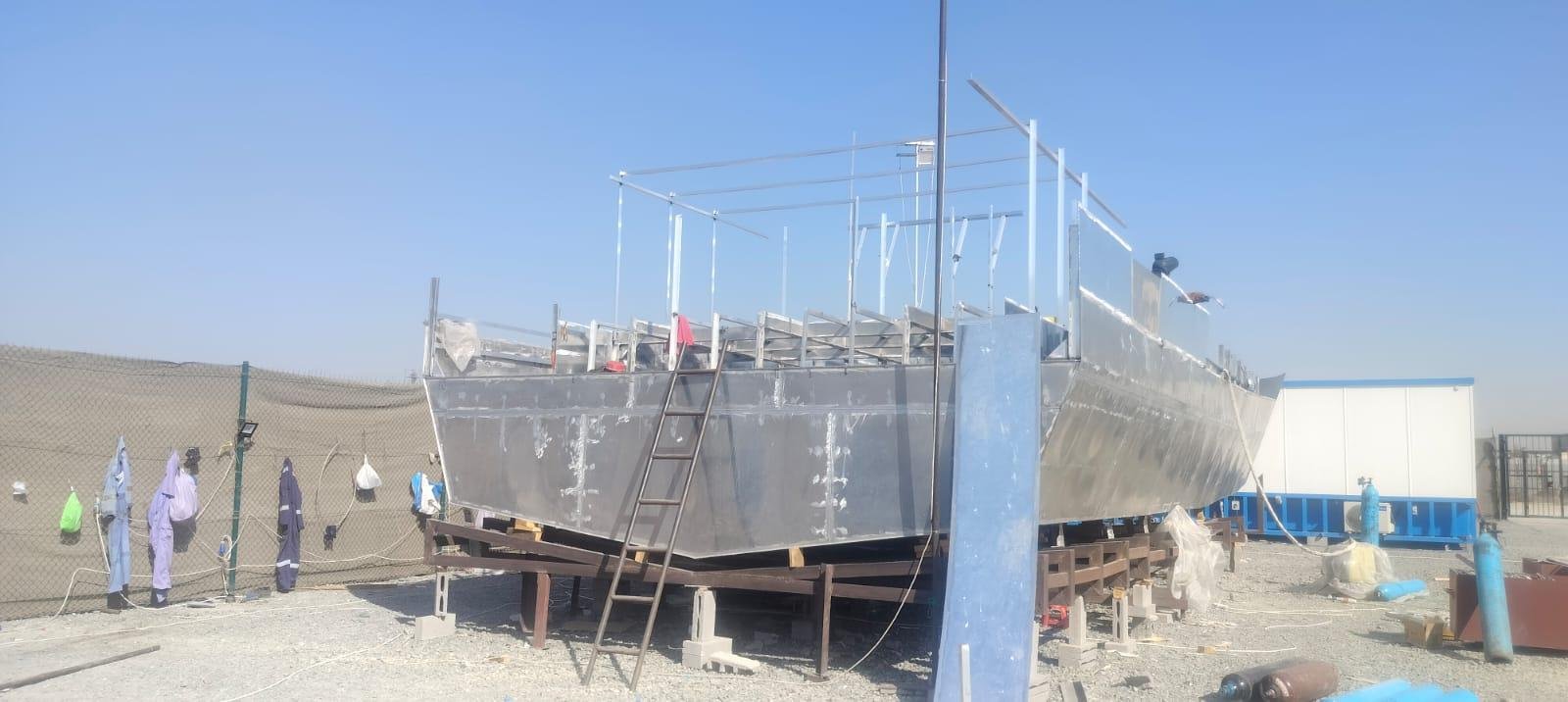
A modern tug builder in UAE understands the importance of combining power with agility. Aluminum construction allows for high bollard pull performance while keeping overall fuel consumption lower than traditional heavy builds.
Compatibility with Hybrid and Green Technologies
As global maritime authorities push for reduced greenhouse gas emissions, tug operators are increasingly exploring hybrid propulsion systems. Aluminum construction supports this transition by offsetting the additional weight of batteries or electric propulsion components.
Hybrid tugboats can reduce fuel consumption by 20–30% in certain operating cycles, especially during low-load tasks such as standby operations or slow harbor movements. Because aluminum hulls are lighter, integrating hybrid systems does not drastically increase displacement or compromise performance.
A forward-looking tugs building company recognizes that fuel efficiency is no longer optional — it is a competitive necessity. Aluminum’s adaptability ensures that tugboats can meet current emission standards and remain compliant with future environmental regulations.
Lower Maintenance and Lifecycle Cost Efficiency
Fuel savings are only one part of the efficiency equation. Aluminum also reduces maintenance costs, which indirectly improves operational performance. Steel vessels require regular anti-corrosion treatments, repainting, and structural repairs. These maintenance activities increase downtime and operational expenses.
Aluminum’s corrosion resistance significantly lowers maintenance frequency. Studies suggest that aluminum vessels can reduce maintenance costs by 10–15% over their lifetime compared to steel alternatives. Less time in dry dock means more time in active service, enhancing revenue potential.
A reputable tugs building company in UAE often emphasizes lifecycle value rather than just initial construction cost. Aluminum tugboats typically retain higher resale value due to their structural durability and reduced long-term deterioration. Many aluminum vessels remain operational for 30 years or more with proper upkeep.
Environmental Impact and Emission Reduction
Improved fuel efficiency directly contributes to lower carbon emissions. If a tugboat reduces fuel consumption by 15% annually, it can prevent hundreds of tons of carbon dioxide emissions over its service life, depending on operational intensity. For ports aiming to meet sustainability targets, aluminum tug construction supports measurable environmental progress.
Additionally, aluminum is one of the most recyclable industrial materials available. Nearly 75% of all aluminum ever produced remains in use today. Recycling aluminum requires only about 5% of the energy needed to produce new aluminum, further supporting sustainable maritime practices.
By reducing fuel burn and supporting recyclability, aluminum tugboats align economic performance with environmental responsibility.
The Future of Efficient Tugboat Engineering
The maritime industry is entering a phase where efficiency, sustainability, and performance must coexist. Aluminum tug builders are meeting this challenge by combining lightweight engineering with advanced hull design and propulsion integration.
Builders such as VU Marine demonstrate how aluminum construction can balance power with economy. Through reduced displacement, optimized hydrodynamics, lower maintenance needs, and compatibility with hybrid systems, aluminum tugboats represent a smart long-term investment.
In conclusion, aluminum tug construction is not simply a material upgrade — it is a strategic shift toward smarter maritime operations. By lowering fuel consumption, enhancing maneuverability, and supporting sustainable technologies, aluminum tug builders are shaping the future of high-performance, cost-efficient tugboats worldwide.








 English
 Arabic
 French
 Spanish
 Portuguese
 Deutsch
 Turkish
 Dutch
Dutch
 Italiano
 Russian
 Romaian
 Portuguese (Brazil)