


How to Add Insurance Policy to Existing eIA Account and Simplify Policy Management
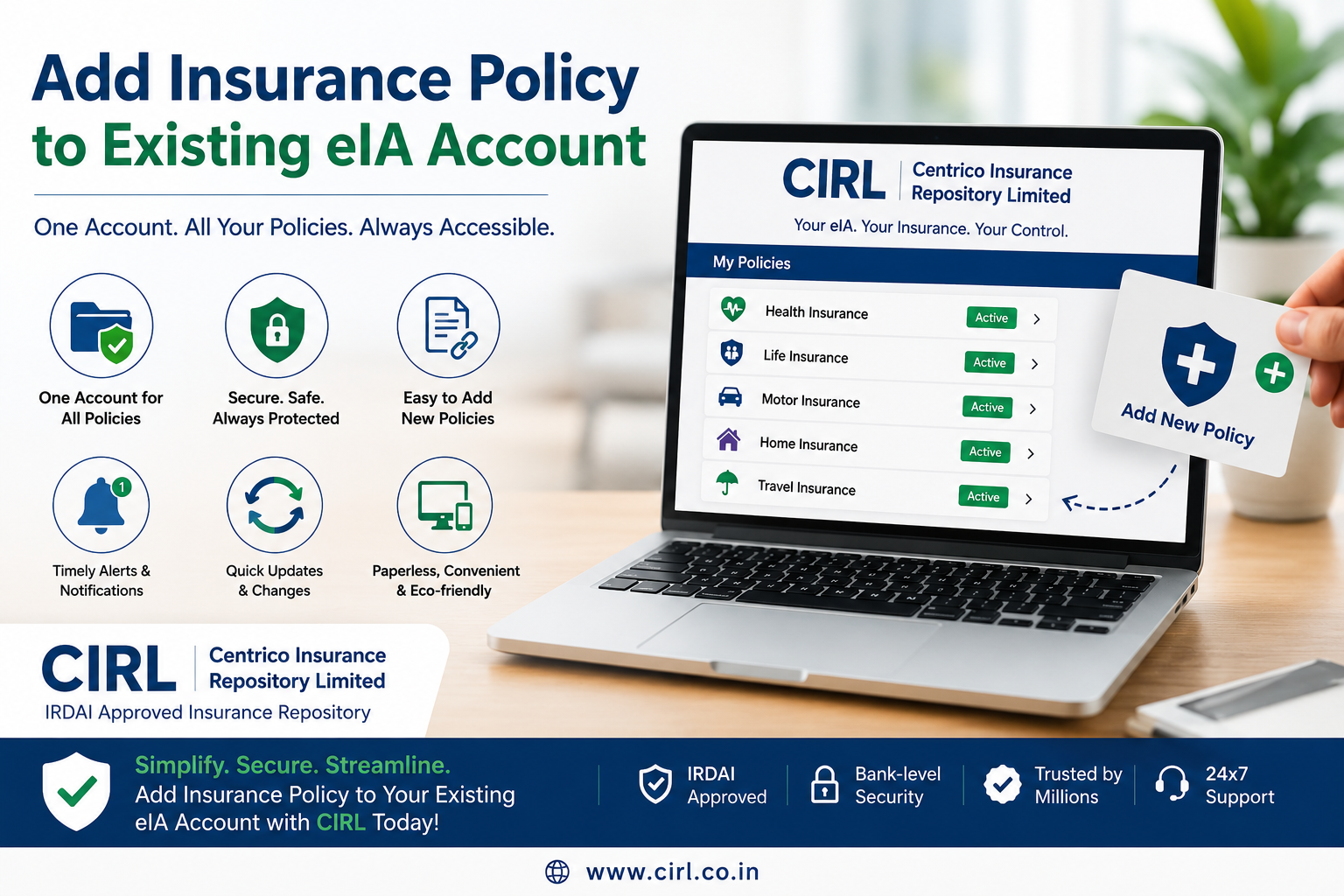
How to Add Insurance Policy to Existing eIA Account and Simplify Policy Management
In today's digital era, managing insurance policies has become more convenient than ever. Policyholders no longer need to maintain multiple physical documents or worry about misplaced policy papers. The Electronic Insurance Account (eIA) system offers a secure and centralized platform to store and manage insurance policies digitally. If you already have an eIA and have purchased a new policy, it is important to add insurance policy to existing eIA account to enjoy seamless access and better policy management.
An Electronic Insurance Account serves as a digital repository where policyholders can hold multiple insurance policies under a single account. Whether you have life insurance, health insurance, motor insurance, or other general insurance policies, consolidating them within your eIA makes tracking and managing them much easier.
What Is an eIA Account?
An Electronic Insurance Account (eIA) is a secure digital account that enables policyholders to maintain all their insurance policies electronically. Approved by the Insurance Regulatory and Development Authority of India (IRDAI), eIA accounts eliminate the need for physical policy documents and offer a centralized platform for policy management.
With an eIA account, policyholders can access policy information, update personal details, monitor policy status, and receive important notifications from insurers—all from one place.
Why Should You Add Insurance Policy to Existing eIA Account?
Many policyholders purchase additional insurance policies over time but fail to link them to their existing eIA. This can result in fragmented policy records and increased administrative efforts.
When you add insurance policy to existing eIA account, you gain several benefits:
1. Centralized Policy Management
Instead of managing multiple policy documents separately, you can access all your policies through one account. This simplifies record-keeping and makes policy tracking more efficient.
2. Enhanced Security
Electronic storage reduces the risk of policy documents being lost, damaged, or misplaced. Your policy information remains securely stored within your eIA account.
3. Easy Updates
Changes in personal information such as address, mobile number, or email ID can often be updated centrally, reducing the need to contact multiple insurers individually.
4. Quick Access to Information
Policyholders can conveniently view policy details, premium due dates, coverage information, and other important documents anytime.
5. Improved Policy Monitoring
Having all policies in one place helps individuals review their insurance portfolio regularly and ensure adequate coverage for their evolving needs.
Steps to Add Insurance Policy to Existing eIA Account
The process of linking a new or existing insurance policy to your eIA account is generally straightforward.
Verify Your Existing eIA Details
Before initiating the process, ensure that your eIA account details are accurate and up to date. This helps avoid delays during policy linking.
Gather Required Information
Keep the following information ready:
-
Policy number
-
Insurer details
-
Personal identification information
-
eIA account number
Submit Linking Request
You can submit a request through your insurance repository service provider or insurer. Many repositories provide online facilities for policy linking and account management.
Verification Process
The repository and insurer may verify the submitted information before completing the linking process.
Policy Successfully Added
Once approved, the policy will appear in your eIA account alongside your existing policies, allowing centralized access and management.
Choosing the Right Insurance Repository
Selecting a reliable insurance repository is essential for smooth digital policy management. An IRDAI-approved repository provides secure infrastructure, efficient services, and user-friendly account management options.
For policyholders looking to manage insurance policies electronically, Centrico Insurance Repository Limited (CIRL) offers comprehensive eIA services designed to simplify policy administration. Through their platform, users can efficiently manage multiple insurance policies under a single electronic account while benefiting from secure digital storage and streamlined processes.
Common Reasons to Link Additional Policies
Many policyholders decide to add insurance policies to their eIA account when:
-
Purchasing a new life insurance policy
-
Buying health insurance coverage
-
Adding family insurance plans
-
Obtaining motor insurance policies
-
Consolidating policies from multiple insurers
-
Moving toward a paperless insurance management system
Regardless of the reason, maintaining all policies within one electronic account improves accessibility and organization.
Future of Digital Insurance Management
The insurance industry continues to embrace digital transformation. Electronic Insurance Accounts are becoming increasingly valuable as customers seek convenient, secure, and paperless solutions. By ensuring that every newly purchased policy is linked to an existing eIA account, policyholders can maximize the benefits of digital insurance management while reducing paperwork and administrative hassles.
As more insurers and repositories expand their digital capabilities, eIA accounts are expected to become an essential component of modern insurance management.
Conclusion
An Electronic Insurance Account provides a convenient and secure way to manage multiple insurance policies under one platform. When you add insurance policy to existing eIA account, you benefit from centralized access, improved security, simplified updates, and efficient policy monitoring.
Whether you are purchasing a new policy or consolidating existing coverage, linking policies to your eIA account helps create a streamlined insurance management experience. To learn more about electronic insurance account services and policy management solutions, visit CIRL and explore the advantages of digital insurance repositories.


 English
 Arabic
 Français
 Español
 Português
 Deutsch
 Türkçe
 Dutch
Dutch
 Russian
 Romaian
 Portuguese (Brazil)
 Greek
Greek