


How Safe Is Buttock Augmentation in Dubai Today?
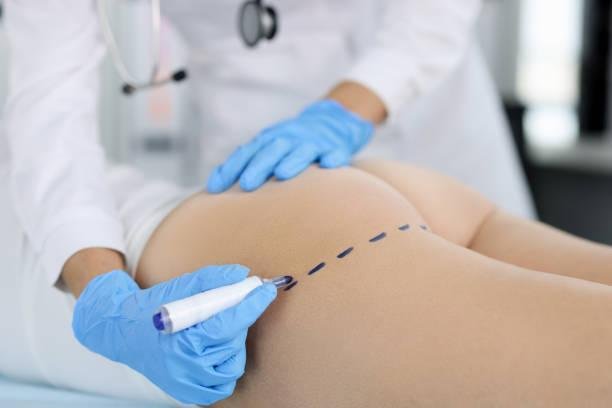
When considering aesthetic surgery, safety is the foundation upon which all other decisions must rest. In recent years, the medical community has drastically refined the protocols surrounding buttock augmentation in Dubai, transforming it from a procedure with variable outcomes into a highly standardized, safety-first clinical practice. Today, safety is achieved through a combination of stringent patient screening, advanced surgical technology, and the uncompromising professional standards upheld by accredited medical facilities.
1. The Foundation of Safety: Patient Screening
The most effective way to ensure a safe procedure is to perform it only on patients who are physically and psychologically prepared. A safe surgeon treats the pre-operative consultation as a medical gatekeeper.
-
Comprehensive Health Clearance: A safe clinic will not proceed without a thorough blood panel, cardiovascular check, and a review of your complete medical history. Factors such as blood clotting disorders, diabetes, or smoking status must be managed or cleared before surgery is even considered.
-
Anatomical Assessment: Not every patient has the underlying structure or donor fat supply to make an augmentation safe and effective. A surgeon’s duty is to be transparent about what your body can safely support, rather than simply agreeing to a requested volume.
2. Technological Advancements in Surgical Safety
The "safety gap" in older techniques has been closed by modern technology. In the past, the primary risks associated with fat transfer involved improper injection depth. Today, the approach is fundamentally different.
-
Closed-System Centrifugation: Modern clinics use closed-system technology to purify fat. This keeps the fat cells sterile and protected from air exposure, significantly reducing the risk of infection and improving the survival rate of the transferred tissue.
-
Precision Injection Protocols: By injecting fat in smaller, multi-layered deposits rather than large boluses, surgeons drastically reduce the risk of complications such as fat embolism. This meticulous, layer-by-layer technique is the new gold standard for safety.
-
Ultrasound Guidance: Many leading surgeons now utilize ultrasound during the procedure to ensure the cannula is placed safely within the subcutaneous plane and away from deep vascular structures.
3. The Role of the Facility
A surgical procedure is only as safe as the environment in which it is performed. Patients should look for facilities that operate with hospital-level oversight.
-
Accredited Operating Theatres: Surgery should never occur in a simple office room. You should be in a fully equipped theatre with backup power, emergency resuscitation equipment, and continuous patient monitoring.
-
Certified Anesthesiology: Your safety during anesthesia is as important as the surgery itself. A qualified anesthesiologist should be dedicated entirely to monitoring your vital signs, ensuring a stable and safe state throughout the procedure.
-
Infection Control: Safe facilities adhere to rigorous sterilization schedules and maintain clean-room standards that minimize the presence of airborne contaminants.
4. Understanding Your Role in Safety
Patient compliance is the final component of a safe recovery.
-
Following Post-Operative Instructions: From avoiding direct pressure on the surgical site to the consistent use of compression garments, these instructions are not suggestions—they are critical safety measures designed to prevent complications.
-
Monitoring and Communication: A safe recovery involves active monitoring. If you notice persistent redness, unusual swelling, or any signs that deviate from your post-op guide, immediate communication with your medical team is essential.
Frequently Asked Questions
Are these surgical risks avoidable?
No surgical procedure is 100% risk-free, but by choosing a certified facility and an experienced surgeon, you minimize these risks to the lowest possible level.
Why do some clinics offer cheaper prices?
Safety, high-quality medical equipment, and certified staff have real costs. Extremely low prices often indicate that a facility is cutting corners on sterilization, staffing, or surgical technology.
How do I know if I am "medically cleared"?
Your doctor will review your blood tests and overall health profile. If you have any underlying conditions, they will consult with your primary care provider to ensure your body can safely tolerate the procedure.
What should I do if a surgeon promises "perfect" safety?
Approach that surgeon with caution. A professional will always be honest about the inherent risks of surgery and explain exactly how they mitigate them.
Expert Final Considerations
The safety of your buttock augmentation in Dubai is built on the rigorous standards of the facility you choose and the clinical ethics of your surgical team. By choosing to work with specialists who prioritize medical integrity over surgical volume, you are taking the most effective step toward a safe and successful transformation. For those who seek a private, secure, and medically rigorous environment for their body contouring goals, the specialists at Tajmeels Clinic are available to discuss your safety profile and individual needs in detail.


 Arabic
 Français
 Español
 Português
 Deutsch
 Türkçe
 Dutch
Dutch
 Italiano
 Russian
 Romaian
 Portuguese (Brazil)
 Greek
Greek