Pregnancy brings remarkable changes to a woman’s body, many of which remain long after childbirth. The abdominal area is especially affected due to stretching of skin, separation of muscles, and accumulation of stubborn fat that does not always respond to diet or exercise. These changes can influence both physical comfort and confidence in everyday life. Many women begin exploring surgical options when lifestyle efforts fail to restore their pre-pregnancy shape. One such option that is often discussed in aesthetic medicine is Mini Abdominoplasty in Islamabad which is designed for individuals dealing with mild to moderate lower abdominal concerns after pregnancy. This procedure has gained attention because it focuses on refining the lower belly without the extensive intervention of a full tummy tuck. Understanding how it works and whether it is suitable after childbirth requires a closer look at the body’s post-pregnancy condition and surgical possibilities.
WHAT IS MINI ABDOMINOPLASTY?
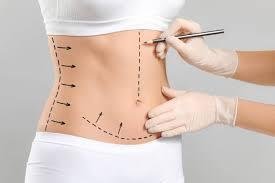
Mini abdominoplasty is a cosmetic surgical procedure that targets the lower portion of the abdomen below the navel. Unlike a full abdominoplasty, it involves a smaller incision and typically focuses on removing excess skin and tightening mild muscle laxity in the lower belly. The belly button is usually not repositioned, which makes the procedure less invasive and generally associated with a shorter recovery period. It is often chosen by individuals who maintain a relatively stable weight but struggle with a persistent lower abdominal bulge or loose skin.In aesthetic practice, this procedure is considered a refinement surgery rather than a complete abdominal reconstruction. It is not intended for dramatic weight loss but for contour improvement. The goal is to create a smoother, flatter lower abdomen that aligns better with the upper abdominal region, especially in cases where pregnancy has caused localized changes.
HOW PREGNANCY AFFECTS THE ABDOMINAL AREA?
Pregnancy stretches the abdominal muscles and skin to accommodate the growing baby. In many cases, the rectus abdominis muscles separate, a condition known as diastasis recti, which can lead to a permanent protrusion of the lower belly even after delivery. Skin elasticity also plays a crucial role; some women regain tight skin naturally, while others are left with sagging or loose tissue that does not retract fully.Hormonal changes during pregnancy also affect fat distribution, often causing fat accumulation in the lower abdomen. After childbirth, even with consistent exercise and a healthy diet, this area can remain resistant to change. This combination of weakened muscles, stretched skin, and localized fat creates a contour that many women find difficult to correct without surgical intervention.
CAN MINI ABDOMINOPLASTY HELP AFTER PREGNANCY?
Mini abdominoplasty can be a helpful solution for certain post-pregnancy abdominal concerns, but its effectiveness depends on the extent of physical changes. Women who experience mild to moderate skin laxity below the belly button and minor muscle separation are often good candidates. The procedure can tighten the lower abdominal wall, remove excess skin, and improve overall contour, giving a more toned appearance.However, it is important to understand that this surgery is not designed for extensive muscle repair or significant skin removal across the entire abdomen. Women with severe diastasis recti or large amounts of loose skin after multiple pregnancies may require a full abdominoplasty for optimal results. In appropriate cases, though, mini abdominoplasty can provide noticeable improvement and restore confidence in body appearance.The success of this procedure after pregnancy also depends on timing. Surgeons typically recommend waiting until the body has fully stabilized, including weight normalization and completion of breastfeeding, before considering surgery. This ensures better healing and more predictable outcomes.
IDEAL CANDIDATES AFTER PREGNANCY
Not every post-pregnancy body change requires surgical correction, and identifying the right candidates is essential. Women who are close to their ideal body weight but struggle with a small lower belly pooch are often considered suitable for this procedure. Good skin elasticity above the navel and minimal muscle separation are also important factors.Those who plan future pregnancies are usually advised to postpone the procedure, as subsequent pregnancies can reverse surgical results. Additionally, individuals should have realistic expectations about what mini abdominoplasty can achieve. It improves contour but does not replicate the results of a full tummy tuck or replace weight management efforts.A thorough consultation with a qualified surgeon helps determine whether this procedure aligns with the patient’s anatomy and aesthetic goals. Each case is evaluated individually, especially in post-pregnancy conditions where tissue changes vary significantly.
SURGICAL APPROACH AND EXPERIENCE
Mini abdominoplasty is performed under anesthesia and typically takes a shorter time compared to more extensive abdominal surgeries. The incision is usually made just above the pubic area, allowing the surgeon access to tighten underlying muscles if necessary and remove excess skin from the lower abdomen. The remaining skin is then carefully repositioned for a smoother contour.Because the belly button is not usually altered, the procedure is less complex, and scarring is relatively minimal and easily concealed under clothing. Surgeons focus on achieving natural-looking results that blend the treated lower abdomen with the upper abdominal area.Patients generally experience a more comfortable surgical journey compared to full abdominoplasty, although individual experiences may vary. The reduced extent of tissue manipulation often contributes to a smoother operative and early recovery phase.
RECOVERY AND HEALING PROCESS
Recovery after mini abdominoplasty is typically more manageable than full abdominal surgery, but it still requires proper care and patience. Mild swelling, tightness, and discomfort in the lower abdomen are common during the initial days. Patients are usually advised to limit physical activity and avoid heavy lifting to support proper healing.Wearing a compression garment is often recommended to reduce swelling and help the skin adapt to its new contour. Most individuals can return to light daily activities within a couple of weeks, although complete recovery and final results may take several weeks to months to fully appear.Post-pregnancy patients should be especially mindful of rest and nutrition during recovery, as the body may still be adjusting hormonally. Following medical advice closely plays a key role in achieving smooth healing and long-lasting outcomes.
RESULTS AND EXPECTATIONS AFTER PREGNANCY
The results of mini abdominoplasty can be quite satisfying for women dealing with mild post-pregnancy abdominal changes. A flatter lower abdomen, improved waistline definition, and tighter skin are among the most noticeable outcomes. Clothing often fits better, and many patients report improved confidence in their physical appearance.However, expectations must remain realistic. The procedure enhances shape but does not dramatically transform the entire abdominal structure. In cases where muscle separation is more extensive, the improvement may be limited to skin tightening alone. Maintaining a stable weight after surgery is essential to preserve results over time.
PSYCHOLOGICAL IMPACT AND BODY CONFIDENCE
Beyond physical transformation, mini abdominoplasty can have a meaningful psychological impact on women after pregnancy. Many individuals experience changes in body image and self-confidence due to persistent abdominal changes that do not respond to fitness routines. This can affect clothing choices, social comfort, and overall self-esteem.When performed on suitable candidates, the procedure often helps restore a sense of control over body appearance. Feeling comfortable in one’s body again can positively influence emotional well-being and confidence in daily life. However, it is important that the decision for surgery is made for personal satisfaction rather than external pressure.A balanced mindset ensures healthier expectations and a more positive experience throughout the transformation journey.
CONCLUSION
Mini abdominoplasty can be an effective option for select women dealing with mild post-pregnancy abdominal concerns. It offers a less invasive approach to improving lower abdominal contour, tightening skin, and enhancing body proportions. While it is not a universal solution for all post-pregnancy changes, it can deliver meaningful improvement for the right candidates who have realistic expectations.





 Arabic
 Français
 Español
 Português
 Deutsch
 Türkçe
 Dutch
Dutch
 Italiano
 Russian
 Romaian
 Portuguese (Brazil)
 Greek
Greek