


How Drone Oversight Is Shaping Defense Accountability
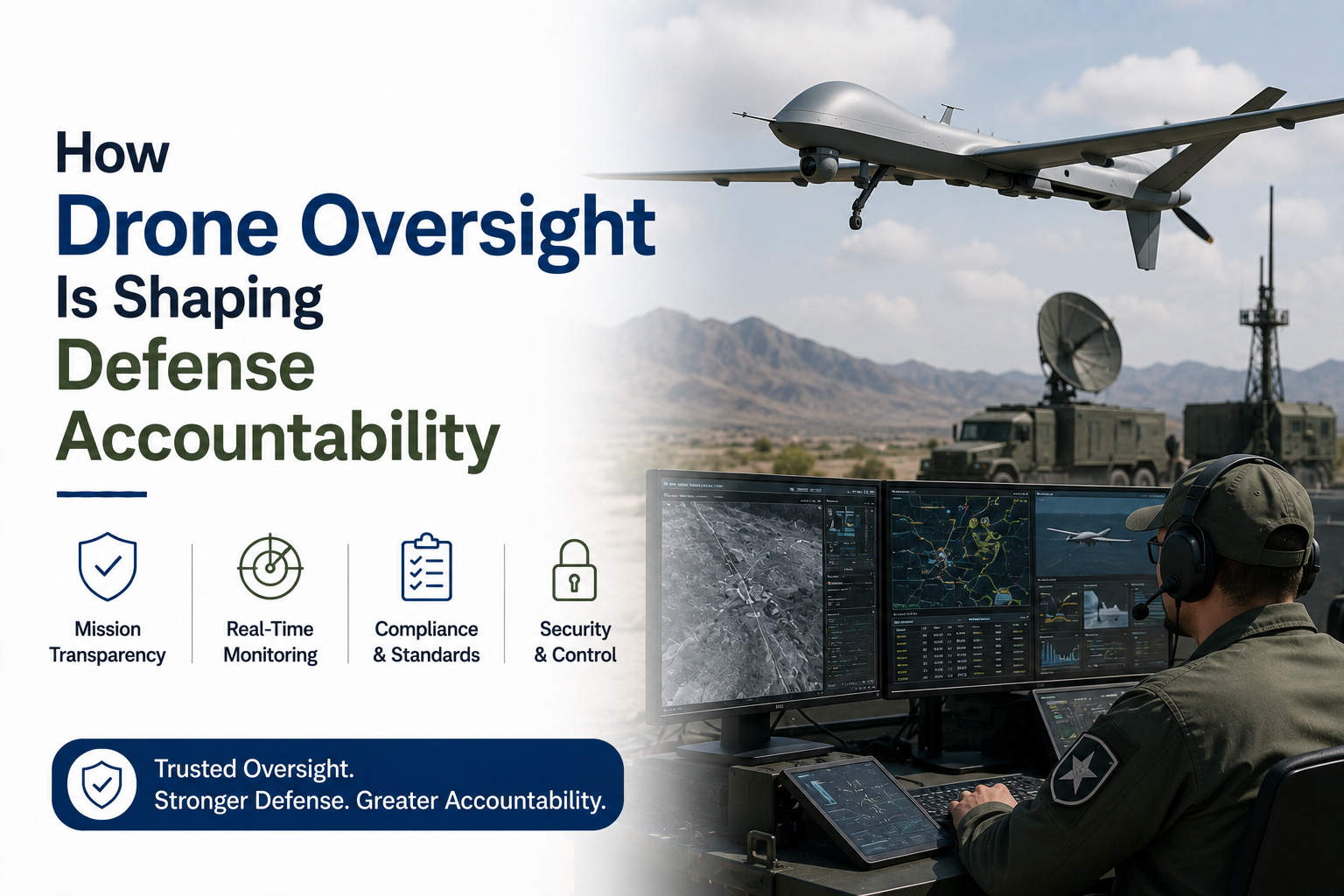
Loitering munitions, often described as kamikaze drones, are part of a sensitive defense technology category because they combine surveillance, target selection support, and strike capability in one unmanned platform. Any discussion of these systems requires neutral framing focused on governance, military oversight, export controls, legal review, civilian-risk reduction, and responsible procurement rather than promotional or demand-led language.
According to MarkNtel Advisors, the loitering munitions oversight outlook states that the kamikaze drones market was valued at USD 4.22 billion in 2025 and is projected to grow from USD 5.67 billion in 2026 to USD 12.39 billion by 2032. The study estimates a CAGR of around 13.92% during 2026–2032, while noting North America at 34% share, fixed-wing loitering munitions at 51% share, and army users at 68% share in 2026.
Defense Governance Remains Central
Loitering munitions are not ordinary drone products. They are weapons systems used within military and security contexts, so procurement and deployment must be evaluated through command responsibility, lawful targeting, human oversight, rules of engagement, and accountability. Their development raises questions about how armed forces manage autonomy, data reliability, operator control, and proportionality in conflict settings.
The International Committee of the Red Cross explains through its autonomous weapons guidance that states should set limits on autonomous weapon systems to ensure compliance with international humanitarian law, which is relevant as loitering munitions become more advanced. This makes legal review and operational control important parts of responsible defense planning.
Fixed-Wing Systems Lead by Type
Fixed-wing loitering munitions accounted for around 51% share in 2026, according to the shared study. This category is often associated with longer endurance, wider operational reach, and suitability for military surveillance-linked strike missions. However, discussion of this segment should remain focused on oversight rather than operational promotion.
Fixed-wing platforms may raise complex questions around target verification, communication reliability, mission abort options, and use in contested environments. Defense organizations must evaluate whether these systems can be operated in ways that comply with legal obligations and minimize unintended harm. Testing, training, documentation, and decision-making controls remain essential.
Army Users Hold the Largest Share
Army users accounted for around 68% share in 2026, making them the leading end-user group in the shared study. This reflects the role of land forces in border security, tactical reconnaissance, anti-armor missions, and battlefield surveillance. Ground operations often involve rapidly changing environments, which increases the importance of disciplined targeting and command oversight.
Army adoption also places responsibility on training systems. Operators and commanders need clear rules on authorization, target identification, civilian presence, mission cancellation, and post-incident review. Without strong governance, the speed and accessibility of unmanned systems can increase risks in complex conflict zones.
North America Leads Regional Activity
North America accounted for around 34% share in 2026, according to the shared study. The region’s position is linked to advanced defense research, established military procurement systems, unmanned systems development, and continued investment in emerging defense technologies. However, regional leadership also brings responsibility for legal, ethical, and export-control frameworks.
The U.S. Department of Defense’s autonomy in weapon systems directive outlines policy expectations for autonomous and semi-autonomous weapon systems, including appropriate human judgment over the use of force. Such frameworks are important as militaries integrate more software-driven and sensor-enabled systems into operations.
Civilian Harm Mitigation Is Critical
The use of loitering munitions in populated areas can raise serious civilian protection concerns. Urban warfare, uncertain target environments, signal disruption, and misidentification risks can all complicate lawful use. This makes civilian harm mitigation an essential part of defense planning, not a secondary consideration.
The United Nations Office for Disarmament Affairs discusses armed unmanned aerial vehicles within wider concerns about transparency, accountability, and international security. These issues are relevant because remotely operated or semi-autonomous systems can affect how responsibility is assigned when weapons are used in conflict.
Export Controls Shape Global Availability
Because loitering munitions are weapons, their international transfer is shaped by export controls, end-use checks, sanctions rules, and defense-trade regulations. Governments may restrict sales based on regional stability, human rights concerns, conflict involvement, technology sensitivity, and proliferation risks. These controls are intended to prevent misuse and reduce uncontrolled spread.
Export governance is especially important as drone components become more commercially accessible. Airframes, batteries, sensors, software, and communication systems may have dual-use characteristics. This creates challenges for regulators seeking to distinguish between civilian drone innovation and weaponized applications.
Technology Raises Accountability Questions
Artificial intelligence, sensor fusion, electronic warfare resistance, and swarming concepts are changing the way unmanned systems are discussed. These technologies can support faster processing and coordination, but they also raise concerns about human control, explainability, target reliability, and system failure. Accountability becomes more difficult when decisions are shaped by software and automated processes.
Responsible development therefore requires testing, audit trails, operational limits, and clear command responsibility. Military organizations need to understand not only whether a system functions, but also how it behaves under uncertainty, degraded communications, adversarial interference, and incomplete information.
Outlook for Responsible Oversight
The loitering munitions sector is being shaped by defense modernization, fixed-wing system adoption, army use, North American activity, and rapid unmanned technology development. The report figures show notable growth through 2032, but responsible interpretation must remain centered on regulation, accountability, and civilian-risk reduction.
The long-term direction will depend on how governments, defense agencies, manufacturers, and international institutions manage procurement controls, legal review, export restrictions, human oversight, and harm-prevention standards. As unmanned weapons become more visible in modern conflict, stronger governance will remain essential for responsible defense accountability.


 English
 Arabic
 Français
 Español
 Português
 Deutsch
 Türkçe
 Dutch
Dutch
 Italiano
 Romaian
 Portuguese (Brazil)
 Greek
Greek