


Biophilic Design Consultants: Exploring the Science Behind Nature-Inspired Spaces
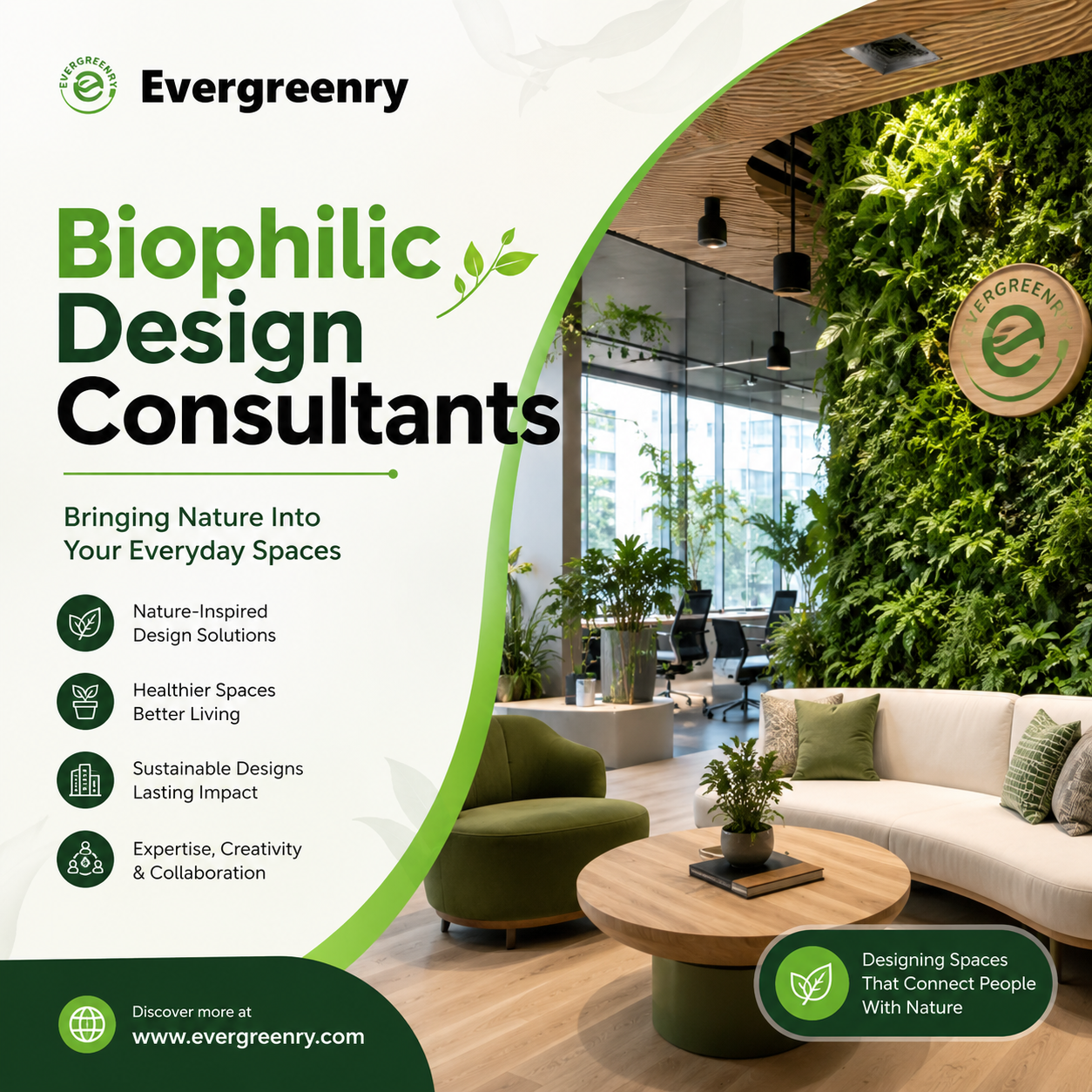
People spend a significant portion of their lives indoors, making the quality of interior environments more important than ever. From offices and hospitals to homes and educational institutions, the design of a space can influence comfort, focus, and overall well-being. This is why Biophilic Design Consultants have become an important part of modern architecture and interior planning. They help create environments that thoughtfully integrate natural elements, improving both the functionality and experience of indoor spaces.
Biophilic design is rooted in the idea that humans naturally benefit from a stronger connection with nature. By incorporating natural features into buildings, consultants help create spaces that feel healthier, more welcoming, and better suited to everyday life.
The Science Behind the Work of Biophilic Design Consultants
Biophilic design is supported by research in environmental psychology, architecture, and human behavior. Rather than focusing only on appearance, consultants examine how natural elements can positively influence the way people interact with a space.
Their work involves assessing building orientation, natural lighting, ventilation, vegetation, materials, and spatial organization. Every recommendation is based on creating an environment that balances aesthetics, sustainability, and occupant needs.
This evidence-based approach allows biophilic design to deliver long-term value instead of relying on short-lived interior design trends.
Essential Features of Biophilic Design
A successful biophilic environment combines multiple natural elements that complement one another. These features are carefully selected to improve the overall atmosphere while supporting practical building performance.
Key characteristics include:
-
Maximizing access to daylight
-
Incorporating indoor plants and living walls
-
Using renewable natural materials
-
Enhancing airflow and thermal comfort
-
Creating visual connections with outdoor landscapes
-
Introducing natural colors, textures, and organic forms
Together, these elements help create interiors that feel calm, balanced, and connected to the natural environment.
Applications Across Different Sectors
Biophilic design is versatile enough to support a wide range of industries and building types.
-
Commercial Offices use nature-inspired environments to improve workplace satisfaction and collaboration.
-
Healthcare Facilities create more welcoming spaces for patients, staff, and visitors.
-
Educational Buildings support learning through comfortable and engaging classrooms.
-
Hospitality Venues enhance guest experiences with thoughtfully designed interiors.
-
Residential Projects bring natural comfort into everyday living spaces.
Because every environment has different goals and challenges, consultants develop customized strategies instead of standardized solutions.
Supporting Healthier Indoor Environments
Indoor environmental quality has become an important consideration in modern building design. Factors such as fresh air, natural light, and carefully selected materials contribute to spaces that are more comfortable throughout the day.
Biophilic design encourages a holistic approach by considering both the physical environment and the people who occupy it. This balance helps create interiors that support daily activities while maintaining a stronger connection with nature.
As awareness of wellness-focused architecture grows, biophilic design continues to gain recognition across both public and private sectors.
The Link Between Sustainability and Biophilic Design
Biophilic design naturally complements sustainable construction practices. Both approaches encourage thoughtful resource management and responsible environmental planning while improving the quality of indoor spaces.
Strategies such as daylight optimization, natural ventilation, water-efficient landscaping, and environmentally responsible materials contribute to buildings that perform efficiently over the long term. These principles align with modern sustainability goals without sacrificing occupant comfort.
Organizations like Evergreenry help demonstrate how professionally integrated greenery can support both design objectives and long-term maintenance, making natural environments easier to sustain.
Why Expertise Makes a Difference
Successful biophilic design requires collaboration between multiple disciplines, including architecture, landscape design, horticulture, and interior planning. Professional consultants coordinate these elements to ensure every design decision contributes to the overall vision of the project.
Companies such as Evergreenry showcase how expertise in plant integration and interior landscaping can help transform ordinary spaces into healthier environments while maintaining functionality and visual harmony.
Conclusion
The growing popularity of Biophilic Design Consultants reflects a broader understanding of how indoor environments affect everyday life. Their expertise helps integrate nature into buildings in ways that improve comfort, sustainability, and overall user experience while supporting modern architectural goals.
For more info:
Website : https://www.evergreenry.com/
Contact Us : +919891347119
Address : 376, Udyog Vihar, Phase 2, Gurgaon Haryana 122016
Email : green@evergreenry.com


 Arabic
 Français
 Español
 Português
 Deutsch
 Türkçe
 Dutch
Dutch
 Italiano
 Russian
 Romaian
 Portuguese (Brazil)
 Greek
Greek