


How Motorcycle Air Filters Improve Throttle Response and Fuel Efficiency
If you are searching for motorcycle air filters, you are looking at one of the most critical components for your bike's performance and engine longevity. A high-quality air filter ensures your engine receives clean, unrestricted airflow—delivering more power, better throttle response, and superior protection against harmful contaminants.
Whether you ride a sportbike, cruiser, adventure bike, or daily commuter, upgrading your motorcycle air filter can transform your riding experience. This comprehensive guide covers everything you need to know about motorcycle air filters, including types, benefits, maintenance, and why BMC air filters are the preferred choice for discerning riders worldwide.
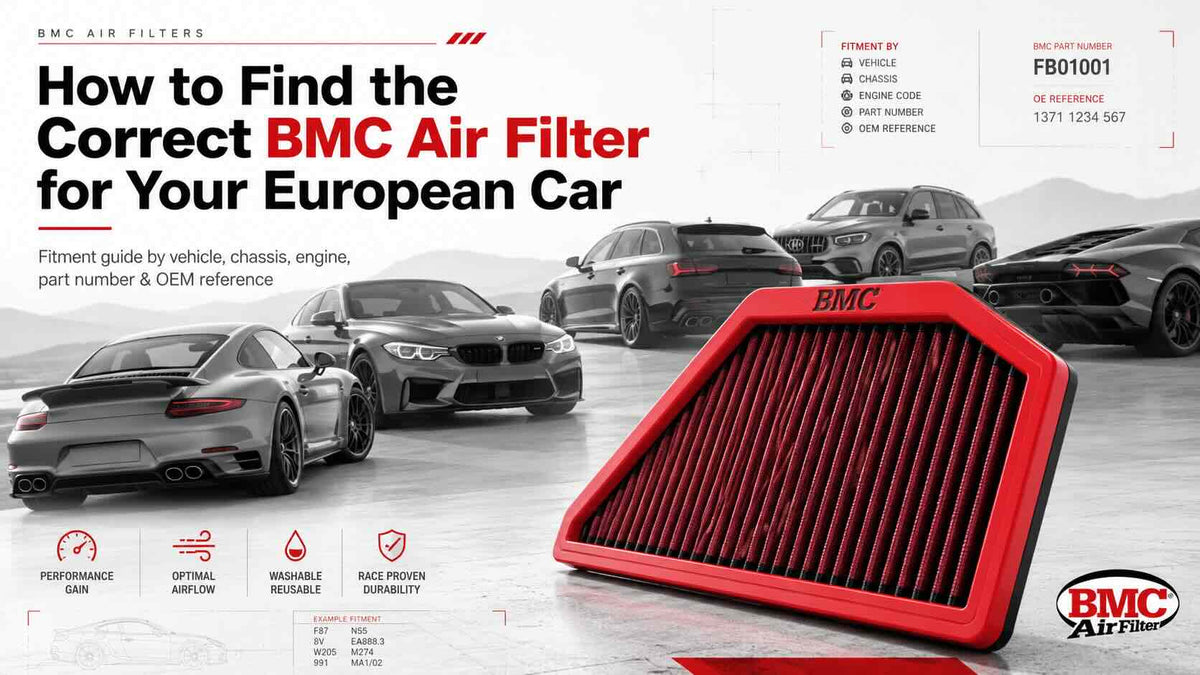
What Are Motorcycle Air Filters?
Motorcycle air filters are essential components that clean the air entering your engine before it mixes with fuel for combustion. They trap dust, dirt, debris, pollen, and other contaminants that would otherwise cause premature wear on piston rings, cylinders, valves, and other internal engine components.
Modern motorcycle air filters come in various materials and designs, each offering different levels of airflow, filtration efficiency, and maintenance requirements. Choosing the right filter directly impacts your bike's performance, fuel economy, and reliability.
Why Motorcycle Air Filters Matter
Your engine needs clean air to run efficiently. Here is why motorcycle air filters are critical:
-
Engine protection: Filters capture harmful contaminants before they enter the combustion chamber, preventing abrasive wear.
-
Performance optimization: Proper airflow ensures the correct air-fuel mixture for complete combustion.
-
Fuel efficiency: Clean filters maintain optimal air-fuel ratios, maximizing mileage.
-
Engine longevity: Reduced wear on internal components extends engine life significantly.
-
Emissions control: Proper filtration helps maintain clean, efficient combustion.
Types of Motorcycle Air Filters
Understanding the different types of motorcycle air filters helps you make an informed choice:
1. Paper/Cellulose Filters (OEM Standard)
-
Material: Treated paper or cellulose fibers.
-
Pros: Inexpensive, effective for standard use, disposable.
-
Cons: Restrictive airflow, must be replaced regularly, not reusable.
-
Best for: Daily commuting, stock engines, budget-conscious riders.
2. Cotton Gauze Filters (High-Performance)
-
Material: Multi-layer cotton gauze between epoxy-coated aluminum wire meshes.
-
Pros: High airflow, excellent filtration, washable/reusable.
-
Cons: Higher upfront cost, requires oiling after cleaning.
-
Best for: Performance enthusiasts, modified engines, track use.
3. Foam Filters
-
Material: Open-cell polyurethane foam.
-
Pros: Excellent dirt-holding capacity, good for off-road.
-
Cons: Restrictive airflow, requires regular cleaning and oiling.
-
Best for: Off-road, dual-sport, adventure riding in dusty conditions.
4. Synthetic Filters
-
Material: Synthetic fibers with permanent electrostatic charge.
-
Pros: High efficiency, washable, no oiling required.
-
Cons: More expensive, limited availability.
-
Best for: Street and sport riding, riders who prefer low maintenance.
How Do Motorcycle Air Filters Work?
Understanding the technology helps you appreciate why a BMC air filter motorcycle outperforms standard options.
Filtration Mechanism
Air passes through the filter media, where contaminants are trapped. The filter's design—whether paper, cotton, or foam—determines how effectively particles are captured while allowing airflow.
Oil-Based Filtration (Cotton Gauze)
Premium cotton gauze filters use specially formulated oil to:
-
Act as a tackifier, capturing microscopic particles.
-
Maintain filtration efficiency even as the filter loads with dirt.
-
Provide consistent airflow throughout the filter's lifespan.
Flow Dynamics
A well-designed filter maximizes surface area while minimizing airflow restriction. This balance is critical—too restrictive reduces performance, while too little filtration risks engine damage.
Benefits of Upgrading to High-Performance Motorcycle Air Filters
Choosing premium motorcycle air filters offers numerous advantages:
Performance Benefits
-
Increased airflow: Up to 30–50% more airflow than standard paper filters.
-
Horsepower gains: Typically 2–5 HP increase, depending on bike and setup.
-
Enhanced torque: Improved low-end and mid-range response.
-
Crisper acceleration: Immediate throttle response.
-
Smoother operation: Reduced engine hesitation and surging.
Economic Benefits
-
Reusable: Lasts up to 50,000 miles with proper maintenance.
-
Washable: Clean and re-oil instead of buying replacements.
-
Cost effective: Pays for itself after 2–3 replacements.
-
Reduced downtime: Less frequent service intervals.
Environmental Benefits
-
Reduced waste: Eliminates disposable paper filters.
-
Lower carbon footprint: Extended lifespan reduces manufacturing demand.
-
Sustainable materials: Cotton gauze is a renewable resource.
Protection Benefits
-
Superior filtration: Captures particles as small as 5 microns.
-
Engine longevity: Clean air reduces wear on internal components.
-
Consistent performance: Maintains efficiency throughout filter life.
BMC Air Filter Motorcycle: The Premium Choice
When discussing motorcycle air filters, BMC stands apart as the premium choice for discerning riders.
Racing Pedigree
BMC filters are used by factory teams in:
-
MotoGP: Premier motorcycle racing championship.
-
World Superbike: Production-based racing series.
-
Formula 1: Elite automotive racing.
-
World Rally Championship: Premier off-road racing.
Superior Engineering
-
Multi-layer cotton gauze: 4–6 layers for optimal airflow and filtration.
-
Epoxy-coated aluminum mesh: Durable, corrosion-resistant construction.
-
Precision fitment: Designed specifically for each motorcycle model.
-
ISO 5011 certified: Independently tested for performance.
Why Riders Choose BMC
-
Proven performance at the highest levels of motorsport.
-
Uncompromising quality and durability.
-
Lifetime limited warranty.
-
Made in Italy with rigorous quality control.
Step-by-Step Guide to Replacing Your Motorcycle Air Filter
Replacing motorcycle air filters is a straightforward DIY project:
Step 1: Gather Tools and Materials
-
Replacement air filter (consider a BMC air filter motorcycle)
-
Phillips screwdriver or hex wrenches
-
Clean cloth
-
Optional: Air filter cleaning kit
Step 2: Locate the Airbox
The airbox is typically under the seat or beneath the fuel tank. Consult your owner's manual for exact location.
Step 3: Remove the Airbox Cover
Carefully remove screws or clips securing the cover. Keep hardware organized.
Step 4: Remove the Old Filter
Lift out the existing filter. Note its orientation—the new filter installs the same way.
Step 5: Clean the Airbox
Wipe out any debris, dust, or oil residue from the airbox interior.
Step 6: Install the New Filter
Place the new filter in the airbox, ensuring it seats properly and seals against the housing.
Step 7: Reassemble and Test
Replace the cover, secure all hardware, and start the engine. Check for proper idle and acceleration.
When to Replace or Clean Your Motorcycle Air Filter
Regular maintenance ensures your motorcycle air filters continue delivering optimal performance:
Signs of a Clogged Filter
-
Reduced power and acceleration.
-
Poor fuel economy.
-
Engine misfires or hesitation.
-
Black smoke from exhaust (rich mixture).
-
Difficulty starting.
-
Rough idle or stalling.
Maintenance Schedule
-
Paper filters: Replace every 10,000–15,000 miles.
-
Cotton gauze (BMC): Clean every 10,000–15,000 miles.
-
Off-road use: Clean more frequently due to dust exposure.
-
Performance loss: Clean or replace when power decreases.
How to Clean and Re-Oil Your BMC Air Filter
Step 1: Remove the Filter
Carefully remove the filter from the airbox.
Step 2: Apply Cleaner
Spray BMC-specific or generic air filter cleaner on both sides. Let it soak for 10–15 minutes.
Step 3: Rinse with Low-Pressure Water
Rinse from the clean side outward (opposite airflow direction). Never use high-pressure water.
Step 4: Let Dry
Allow the filter to air dry completely—never use compressed air or heat.
Step 5: Apply Oil
Lightly apply BMC air filter oil to the dirty side only. Allow 30 minutes for oil to wick through.
Step 6: Reinstall
Reinstall the filter, ensuring proper seal.
Common Misconceptions About Motorcycle Air Filters
"High flow means less filtration"
False. Premium cotton gauze filters like BMC provide superior airflow WITHOUT compromising filtration efficiency. Independent testing confirms this.
"Aftermarket filters void the warranty"
False. The Magnuson-Moss Warranty Act protects consumers—manufacturers cannot void warranties solely for using aftermarket filters.
"All filters are the same"
False. Significant differences exist in airflow, filtration, and durability between paper, cotton gauze, foam, and synthetic filters.
"You only need to change filters when dirty"
Partially true. Visual inspection helps, but performance degradation can occur before visible dirt appears.
Choosing the Right Motorcycle Air Filter
Selecting the correct motorcycle air filter is essential. Consider:
-
Riding style: Commuting, sport, off-road, or track.
-
Engine modifications: Stock or modified engines have different needs.
-
Budget: Factor in long-term costs of replacement vs. reusable.
-
Maintenance preference: Some riders prefer disposable for convenience.
-
Performance goals: Maximum power vs. maximum filtration.
-
Environmental concerns: Reusable filters reduce waste.
Trust-Building Elements: Why Choose BMC
-
Motorsport pedigree: Used by factory teams in MotoGP, World Superbike, and F1.
-
ISO 5011 certification: Independently tested for airflow and filtration efficiency.
-
Lifetime warranty: BMC backs their filters with industry-leading coverage.
-
Precision engineering: Italian craftsmanship with strict quality control.
-
Proven results: Decades of racing success validate performance claims.
External Authority Reference: BMC Air Filters is ISO 9001 certified, ensuring consistent quality. Independent tests by the University of Georgia and Southwest Research Institute have confirmed BMC's airflow and filtration claims. The Motorcycle Industry Council (MIC) also recognizes BMC as a leading aftermarket brand.
Frequently Asked Questions (FAQs)
1. What are motorcycle air filters?
Motorcycle air filters are essential components that clean the air entering your engine, trapping dust and contaminants while allowing proper airflow for combustion and performance.
2. How often should I replace my motorcycle air filter?
Paper filters need replacement every 10,000–15,000 miles. Premium cotton gauze filters like BMC are reusable and only need cleaning at similar intervals.
3. What is a BMC air filter motorcycle?
A BMC air filter motorcycle is a premium, washable, high-flow air filter used by MotoGP teams. It delivers increased airflow, superior filtration, and reusable convenience.
4. How much horsepower gain from a performance air filter?
Most riders experience 2–5 HP gain from upgrading to a high-performance motorcycle air filter. Gains depend on your bike's engine and existing modifications.
5. Will a performance air filter void my warranty?
No. The Magnuson-Moss Warranty Act protects consumers—manufacturers cannot void warranties solely for using aftermarket filters.
Conclusion: Upgrade Your Motorcycle Air Filter Today
Your motorcycle deserves the best protection and performance. Upgrading to a premium motorcycle air filter—especially a BMC air filter motorcycle—is one of the most cost-effective modifications you can make. From increased horsepower and throttle response to long-term cost savings and engine protection, the advantages are clear.
Your next steps:
-
Check your bike's make, model, and year.
-
Select the correct filter from the vehicle selector.
-
Order today and experience the difference.
-
Perform regular maintenance for years of performance.
If you are ready to upgrade your motorcycle's performance, contact Euro Filters today to find the right motorcycle air filter for your bike. Our team of experts is here to help you choose the perfect filter for your riding style and needs.
Breathe easier. Ride harder. Protect your engine.


 Arabic
 Français
 Español
 Português
 Deutsch
 Türkçe
 Dutch
Dutch
 Italiano
 Russian
 Romaian
 Portuguese (Brazil)
 Greek
Greek