


How Justin Bieber’s Drew House Went from Celebrity Brand to Cult Label
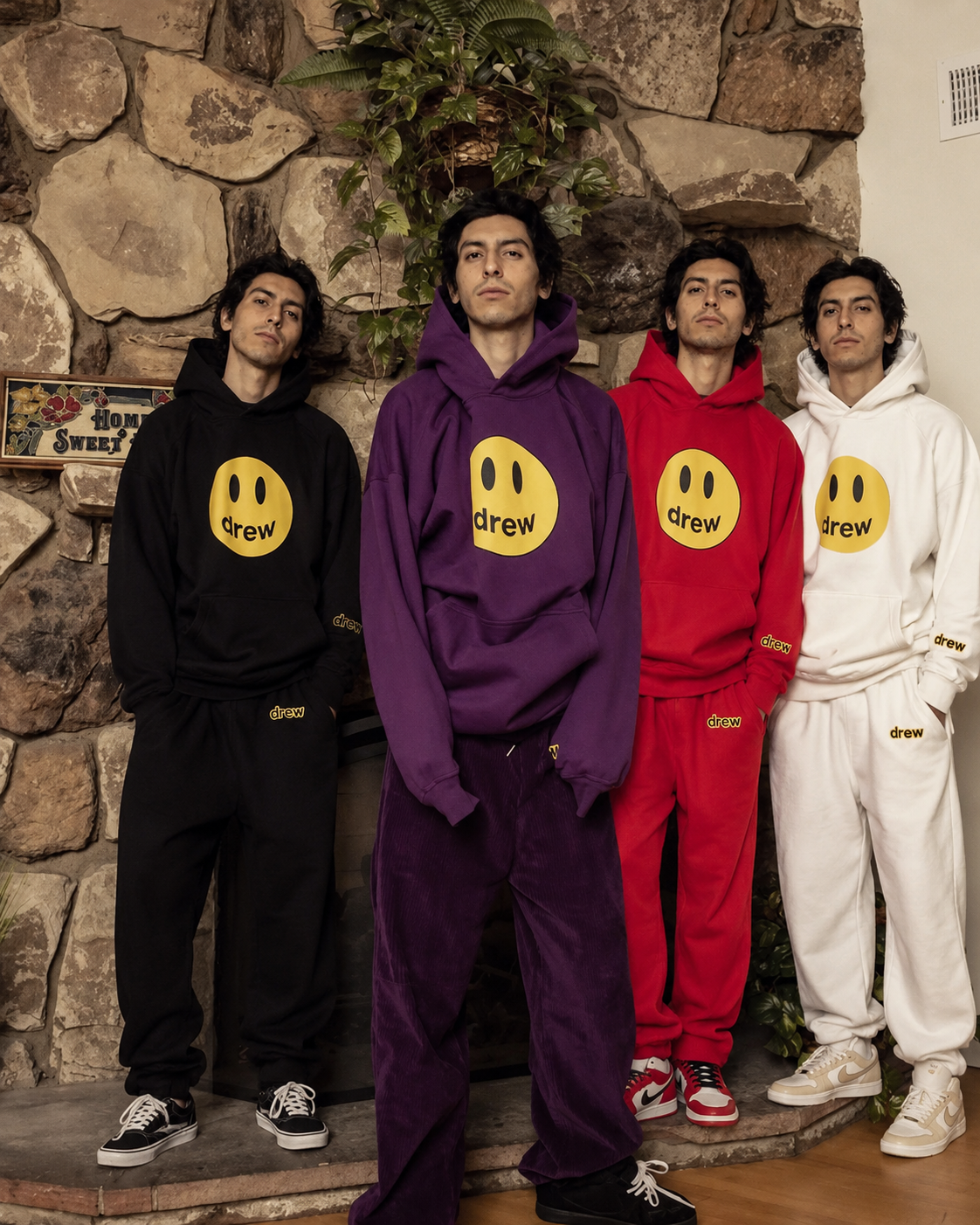
Celebrity fashion brands often generate excitement when they launch, but many struggle to remain relevant once the initial attention fades. Fans may buy products because of a famous name, yet lasting success requires much more than celebrity influence. Drew House is one of the few exceptions. What started as a fashion label associated with Justin Bieber has grown into a respected streetwear brand with a loyal global following. Its rise is not simply the result of star power but of a clear identity, consistent design, and an authentic connection with modern streetwear culture. Since its debut, Drew House has become known for oversized silhouettes, premium-quality materials, playful graphics, and its instantly recognizable smiley-face logo. More importantly, it represents a relaxed lifestyle that values individuality over perfection. The brand has successfully moved beyond being "Justin Bieber's clothing line" to becoming a cult label appreciated by fashion enthusiasts, creatives, and everyday consumers alike.
A Different Approach to Celebrity Fashion
Many celebrity brands focus heavily on the fame of their founders. Marketing campaigns often rely on constant endorsements and glamorous promotional images. Drew House chose a different path. While Justin Bieber's influence helped introduce the brand to millions of people, the clothing itself became the main attraction. Instead of chasing luxury fashion trends, Drew House embraced simplicity. Oversized hoodies, comfortable sweatpants, relaxed T-shirts, jackets, and casual accessories formed the foundation of every collection. These pieces reflected the effortless style that many people naturally wear rather than trying to imitate high-fashion runways. This approach allowed the brand to appeal to a much broader audience. Customers appreciated that the clothing felt wearable, comfortable, and authentic.
The Power of Authentic Branding
Authenticity has always been one of Drew House's greatest strengths. Rather than presenting an image of perfection, the brand encourages people to embrace their individuality and personal style. Its famous yellow smile logo represents optimism, creativity, and self-expression. The minimalist branding is instantly recognizable without being overly flashy. This balance has helped Drew House establish a visual identity that stands out while remaining timeless. Unlike brands that constantly reinvent themselves, Drew House has remained remarkably consistent. Every collection reinforces the same values of comfort, confidence, and originality, creating trust among its growing customer base.
Quality That Matches the Hype
A celebrity name may attract first-time buyers, but product quality determines whether customers return. Drew House invested heavily in creating garments that feel as premium as they look. Heavyweight cotton fabrics provide softness while maintaining structure. Hoodies feature thick fleece interiors that offer warmth without sacrificing comfort. Reinforced stitching improves durability, allowing garments to withstand everyday wear and repeated washing. The oversized cuts are carefully designed rather than simply increasing standard sizes. Every piece is intended to drape naturally while maintaining a clean silhouette, making the clothing suitable for various body types and personal styles. This attention to craftsmanship has helped Drew House earn respect beyond celebrity culture.
Creating a Lifestyle Instead of Just Selling Clothes
One reason Drew House developed a cult following is that it represents more than fashion. The brand promotes a relaxed lifestyle built around creativity, confidence, and authenticity. Rather than encouraging customers to chase expensive trends, Drew House celebrates comfort and individuality. This message resonates with younger generations who increasingly value self-expression over traditional luxury branding. People wearing Drew House often feel connected through shared values rather than simply owning similar clothing. This emotional connection transforms customers into long-term supporters.
Streetwear Culture Embraced Drew House
Streetwear has evolved from a niche fashion movement into one of the world's most influential style categories. Drew House entered this space with a fresh perspective. Its oversized silhouettes naturally fit within modern streetwear aesthetics, while premium materials elevated everyday basics. Neutral color palettes allowed pieces to mix easily with sneakers, cargo pants, denim, and layered outfits. Because the clothing is highly versatile, it appeals to skaters, musicians, artists, students, travelers, and professionals alike. This broad appeal helped Drew House become part of contemporary streetwear culture rather than remaining confined to celebrity merchandise.
Limited Releases Increased Demand
Another factor behind Drew House cult status is its selective release strategy. Rather than flooding the market with endless products, the brand has often introduced carefully curated collections. Limited availability naturally creates anticipation. Fans eagerly wait for new drops, knowing that certain designs may not return once sold out. This scarcity increases excitement while maintaining the brand's exclusive reputation. However, unlike some streetwear labels that rely solely on rarity, Drew House balances exclusivity with consistent quality. Customers return because they genuinely appreciate the clothing rather than simply collecting limited items.
Social Media Without Over-Marketing
Social media played an important role in Drew House's growth, but the brand avoided overly aggressive advertising. Instead, visibility often came through organic moments. Justin Bieber frequently wore Drew House during everyday activities rather than only at promotional events. Friends, musicians, influencers, and fans naturally incorporated the clothing into their own wardrobes. This authentic exposure made the brand feel approachable instead of heavily commercialized. Customers viewed Drew House as something people genuinely enjoyed wearing rather than a product constantly being sold to them.


 Arabic
 Français
 Español
 Português
 Deutsch
 Türkçe
 Dutch
Dutch
 Italiano
 Russian
 Romaian
 Portuguese (Brazil)
 Greek
Greek