


Polytetrafluoroethylene (PTFE) Market Overview – Q1 2026
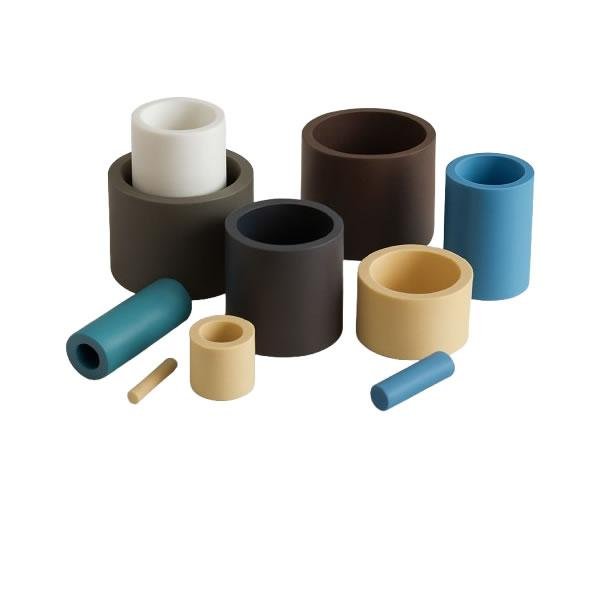
The global PTFE market moved on a softer path during the first quarter of 2026, with prices declining by more than 3% compared to the previous quarter. The main reason behind this trend was weaker buying activity across several important markets. Although production remained stable and manufacturers continued to supply material without major disruptions, overall demand was not strong enough to support higher pricing. Many buyers preferred to purchase only the quantities they immediately required rather than building additional inventories, which kept the market under pressure throughout the quarter.
One of the biggest factors affecting the market was the uncertainty created by global geopolitical developments. Ongoing international tensions disrupted normal trade flows and encouraged many companies to delay purchasing decisions. Instead of placing large orders, buyers waited to see how the market would develop before making fresh commitments. This cautious approach reduced trading activity and limited new business across both domestic and export markets.
At the same time, supply conditions remained comfortable. Producers maintained regular operating rates, and distributors held sufficient inventories to meet customer requirements. Since there was no major shortage of material, suppliers found it difficult to increase prices even though logistics and international trade faced occasional challenges. As a result, the market continued to experience downward pressure despite relatively stable production conditions.
Please Submit Your Query For PTFE Price Trend, Market Analysis and Forecast: https://www.price-watch.ai/book-a-demo/
Another important factor was inventory management. Many companies across different industries focused on keeping their stock levels under control rather than purchasing extra material. This strategy reduced fresh demand and created a balanced but slow-moving market. End users preferred to rely on existing inventories before placing new orders, which further limited overall consumption during the quarter.
The industrial sectors that normally consume PTFE, including automotive, electronics, chemical processing, and industrial manufacturing, continued operating, but purchasing remained conservative. Many manufacturers adjusted production according to current orders instead of expanding output. This prevented any significant increase in raw material demand and kept market sentiment relatively weak.
Even though transportation routes experienced occasional disruptions because of geopolitical events, the availability of PTFE itself remained largely unaffected. Exporters continued shipping material, and importing countries generally received adequate supplies. Since supply remained stable while demand stayed limited, prices gradually moved lower across many regions.
The polytetrafluoroethylene (PTFE) price trend during the quarter clearly reflected this imbalance between comfortable supply and cautious demand. Market participants focused more on managing costs and inventories than expanding purchases, resulting in limited trading activity across global markets.
India remained one of the key export hubs for PTFE during Q1 2026. However, exporters faced weaker demand from international buyers. Orders from major importing countries slowed because many customers delayed purchases amid global uncertainty. Export offers became more competitive as suppliers attempted to attract buyers, but weaker overseas demand continued to influence the market.
During the quarter, PTFE export values from India declined by nearly 3.8% compared with the previous quarter. Although manufacturing activity remained stable and production continued without interruption, export volumes did not show significant improvement. Many overseas customers reduced procurement, purchasing only when immediate requirements arose. Since inventories remained adequate across destination markets, exporters faced additional pressure to maintain competitive pricing.
March also remained challenging for Indian exporters. Export inquiries stayed limited, while cautious buying behavior continued across international markets. FOB prices declined by around 1% from February as exporters adjusted quotations to remain competitive. Despite steady production and sufficient availability, the absence of stronger export demand prevented any meaningful recovery in market sentiment.
Overall, India's PTFE market reflected the broader global situation. Stable production and reliable supply were not enough to offset weaker international demand, resulting in continued pressure on export prices throughout the first quarter of 2026.
Germany also experienced a soft PTFE market during the first quarter of 2026. Since the country imports a large portion of its PTFE requirements from Asia, particularly India, the weaker export market was reflected in local pricing. Industrial demand from sectors such as chemical processing, electrical equipment, automotive components, and engineering applications remained lower than expected. Many companies preferred to purchase only enough material for ongoing production rather than placing larger forward orders.
Importers also maintained comfortable inventory levels, reducing the need for aggressive buying. Material availability remained sufficient throughout the quarter, allowing buyers to negotiate more competitive offers from suppliers. Even though shipments from India continued without major interruptions, the absence of stronger purchasing activity kept the German market under pressure.
Market participants remained cautious because of continuing uncertainty surrounding international trade and the global economy. Businesses focused on controlling operating costs and carefully managing inventories instead of expanding procurement. During March 2026, the market softened further, with import prices declining by around 1.7% compared with February. The combination of weak industrial demand, adequate supply, and conservative purchasing behavior prevented any meaningful recovery.
The United States showed a similar pattern during the quarter. Imports from India remained steady, ensuring that distributors had enough material available to meet customer requirements. However, demand across major consuming industries such as automotive manufacturing, industrial equipment, electronics, and chemical processing remained below normal expectations. Buyers continued following a need-based purchasing strategy, avoiding unnecessary stock accumulation because they expected the market to remain stable or soften further.
With inventories already at comfortable levels, suppliers found limited opportunities to improve selling prices. Instead, competition among distributors remained strong as companies tried to secure available business in a slower market environment. Stable import flows also helped prevent any shortage of material, keeping overall market conditions balanced but weak.
March continued to reflect the same cautious market sentiment in the United States. Import prices declined by approximately 2.4% from the previous month as buying activity remained subdued and restocking interest stayed limited. Most companies delayed larger purchases until they observed stronger demand from their own customers, contributing to another month of softer pricing.
Looking at the overall market, the first quarter of 2026 demonstrated that demand was the primary factor influencing PTFE pricing rather than supply. Manufacturing operations remained stable in major producing countries, and distributors continued maintaining adequate inventories. Since there were no significant production outages or supply shortages, the market lacked the support needed for price recovery.
Although geopolitical tensions created uncertainty in international trade and logistics, their impact on PTFE availability remained relatively limited. Instead, these uncertainties mainly influenced buyer confidence. Many companies preferred to postpone procurement decisions until market conditions became clearer, reducing the number of new purchase orders throughout the quarter.
Several downstream industries continued operating steadily, but production growth remained moderate. This meant that consumption increased only slightly, leaving suppliers with sufficient material available to satisfy existing demand. Without stronger industrial expansion or a significant rise in consumption, suppliers had little opportunity to increase quotations.
Another important feature of the quarter was disciplined inventory management. Across Asia, Europe, and North America, distributors and manufacturers focused on maintaining balanced stock levels instead of building large inventories. This approach reduced purchasing frequency and slowed trading activity across international markets.
Despite the weaker environment during Q1 2026, PTFE continues to remain an important engineering material because of its excellent resistance to heat, chemicals, and corrosion. It is widely used in industries where high-performance materials are essential, including chemical processing, aerospace, electronics, automotive manufacturing, medical equipment, and industrial sealing applications. These long-term applications continue to provide a solid foundation for future demand once broader industrial activity strengthens.
Going forward, the direction of the market will depend largely on improvements in manufacturing activity, international trade confidence, and industrial production across major economies. A stronger recovery in downstream demand could gradually improve purchasing activity and support market stability. Until then, buyers are likely to continue their cautious procurement strategies while suppliers focus on maintaining balanced production and efficient inventory management. Under these conditions, polytetrafluoroethylene (PTFE) prices are expected to remain closely influenced by demand recovery rather than supply availability.
Please Submit Your Query For PTFE Price Trend, Market Analysis and Forecast: https://www.price-watch.ai/book-a-demo/
About Price Watch™ AI
Price-Watch AI is an India-based, independent raw material price reporting agency that provides real-time price forecasts and data-driven insights into global raw material markets. Price-Watch AI specializes in tracking raw material prices, analyzing market trends, and delivering timely updates on plant shutdowns, supply disruptions, capacity expansions, and demand-supply dynamics. The Price-Watch AI platform empowers manufacturers, traders, and procurement professionals to make faster, smarter decisions. Leveraging AI-powered forecasting and over a decade of historical data, Price-Watch AI transforms market volatility into actionable opportunity.
Futura Tech Park,
C Block, 8th floor 334,
Old Mahabalipuram Road,
Sholinganallur, Chennai, Tamil Nadu, Pincode - 600119.
𝐋𝐢𝐧𝐤𝐞𝐝𝐈𝐧: https://www.linkedin.com/company/price-watch-ai/
𝐅𝐚𝐜𝐞𝐛𝐨𝐨𝐤: https://www.facebook.com/people//61568490385598/
𝐓𝐰𝐢𝐭𝐭𝐞𝐫: https://x.com/pricewatchai
𝐖𝐞𝐛𝐬𝐢𝐭𝐞: https://www.price-watch.ai/


 Arabic
 Français
 Español
 Português
 Deutsch
 Türkçe
 Dutch
Dutch
 Italiano
 Russian
 Romaian
 Portuguese (Brazil)
 Greek
Greek