


Campaign Management Best Practices: Achieving Winning Results in Modern Marketing
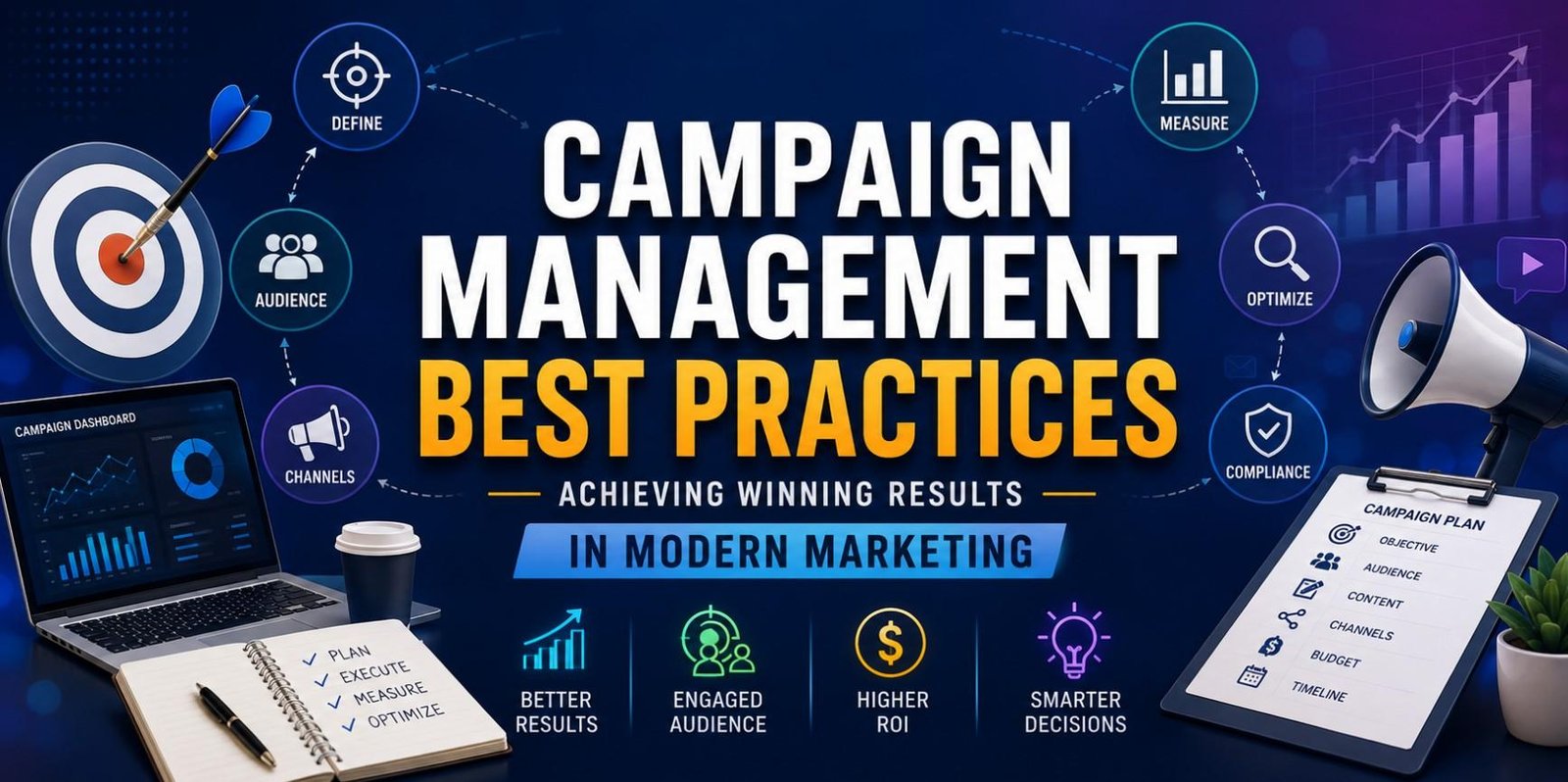
Effective campaign management has become both a science and an art, requiring marketers to balance analytics with creativity, discipline with agility, and broad strategy with careful attention to detail.
The overarching goal is clear: move prospects and customers purposefully toward a desired action. Whether working within a large enterprise or a nimble startup, the ability to manage campaigns well can mean the difference between hitting targets and missing the mark.
This guide explores key campaign management best practices, drawn from contemporary industry wisdom and thousands of real-world experiments. It offers a step-by-step approach for building, optimizing, and leading your marketing campaigns to greater success.
Understanding the Core Objective
Every campaign begins with a clear objective. Before any creative work starts, define what success looks like. Is the goal to generate qualified leads, increase brand visibility, drive direct sales, or nurture existing customers? Your objective will shape every decision from budget allocation to the choice of channels and messaging style.
SMART Goals for Campaigns
Adopt a disciplined goal-setting framework such as SMART (Specific, Measurable, Achievable, Relevant, Timely) to clarify your purpose. Rather than aiming to “grow brand awareness,” focus on a concrete outcome, such as “increase qualified email signups by 25 percent over 60 days.” This specificity makes it easier to judge campaign effectiveness and make adjustments in real time.
Audience Segmentation and Customer Profiling
Campaigns are most effective when they speak to a well-defined audience. Begin by building customer profiles based on real data. Use market research, previous campaign performance, and customer feedback to segment your audience into meaningful groups. Each segment may respond differently to offers, imagery, and calls to action, so tailor your messaging and value proposition accordingly.
Understanding Customer Journeys
Dig beneath surface demographics to map the buyer’s journey in your market. Where does your campaign fit within that journey? Are you reaching cold prospects or re-engaging loyal customers? The best campaigns meet the customer exactly where they are and offer the right level of information and motivation to move them forward.
Channel Selection and Content Planning
Campaigns rarely succeed on a single channel. Modern buyers consult social media, search engines, email, and peer recommendations before making decisions. Start by identifying where your audience spends time and which channels have historically delivered results. Integrate your messaging across these channels, maintaining consistency while respecting the unique context of each.
Content should be planned in advance but remain flexible enough to adapt to performance data. The most effective campaigns use an editorial calendar to schedule posts, emails, and ads, but they also leave room for timely responses and optimization.
Clear, Compelling Value Proposition
Your campaign is competing with countless other messages. Clarity and credibility are essential. Articulate a value proposition that quickly answers the prospect’s fundamental question: “Why should I pay attention, and what do I gain from this?”
Avoid hype and empty claims. Instead, focus on the specific outcome, benefit, or transformation your product or service offers. Where possible, use social proof, case studies, or quantifiable results to build belief.
Testing, Measurement, and Optimization
The best campaign managers view every campaign as an experiment to learn from. Establish key performance indicators that align with your goals, such as conversion rates, cost per acquisition, engagement metrics, or sales volume. Use A/B testing for creative elements, landing pages, and email copy to systematically improve performance.
Adopt a measurement cadence that is frequent enough to allow for nimble changes without falling into “analysis paralysis.” Weekly or bi-weekly checkpoint meetings can help keep optimization focused and actionable.
Managing Resources and Team Collaboration
Campaign management requires effective coordination between creative, technical, and analytics teams. Outline clear roles and responsibilities, establish approval processes, and use shared project management tools to ensure everyone is aligned.
Set realistic timelines, anticipate bottlenecks, and communicate openly about changes or new findings as the campaign unfolds. Regular debrief sessions after campaign completion help teams retain learning and apply it to future efforts.
Ensuring Compliance and Brand Safety
Marketers must keep compliance requirements top of mind, from data privacy regulations to ethical advertising standards. Review all campaign materials for accuracy, and ensure that brand guidelines are met across all content and creative. This diligence reduces risk and strengthens trust with your audience.
Continuous Improvement and Learning
The most successful marketers are students of their craft. After each campaign, perform a detailed review, not just of end results, but of the process itself. What went well? What challenges arose? What would you do differently in the future? Foster a learning environment that values experimentation, transparency, and constructive feedback.
Frequently Asked Questions
What is the most common mistake in campaign management?
Many teams fail to set clear, measurable goals at the start. This makes “success” difficult to define and measure, leading to wasted resources. Begin every campaign with a concrete objective and the metrics to track it.
How often should campaigns be reviewed or optimized?
Best practice is to schedule a weekly or bi-weekly review. In fast-moving markets, daily monitoring of key indicators may be warranted, especially during high-investment launches. Use these reviews to make data-driven adjustments.
How do I know which channels are best for my campaign?
Start by analyzing previous campaign data and industry benchmarks. Test new channels incrementally and scale up what works, keeping the audience’s preferences and behavior patterns in focus.
What role does automation play in campaign management?
Automation can streamline repetitive tasks such as email sequences or social posting, freeing up your team to focus on strategy and creativity. However, human oversight is crucial to ensure messaging relevance and campaign quality.

 Arabic
 Français
 Español
 Português
 Deutsch
 Türkçe
 Dutch
Dutch
 Italiano
 Russian
 Romaian
 Portuguese (Brazil)
 Greek
Greek