


How Does the Expression of a Maa Kali Murti Influence Its Character?
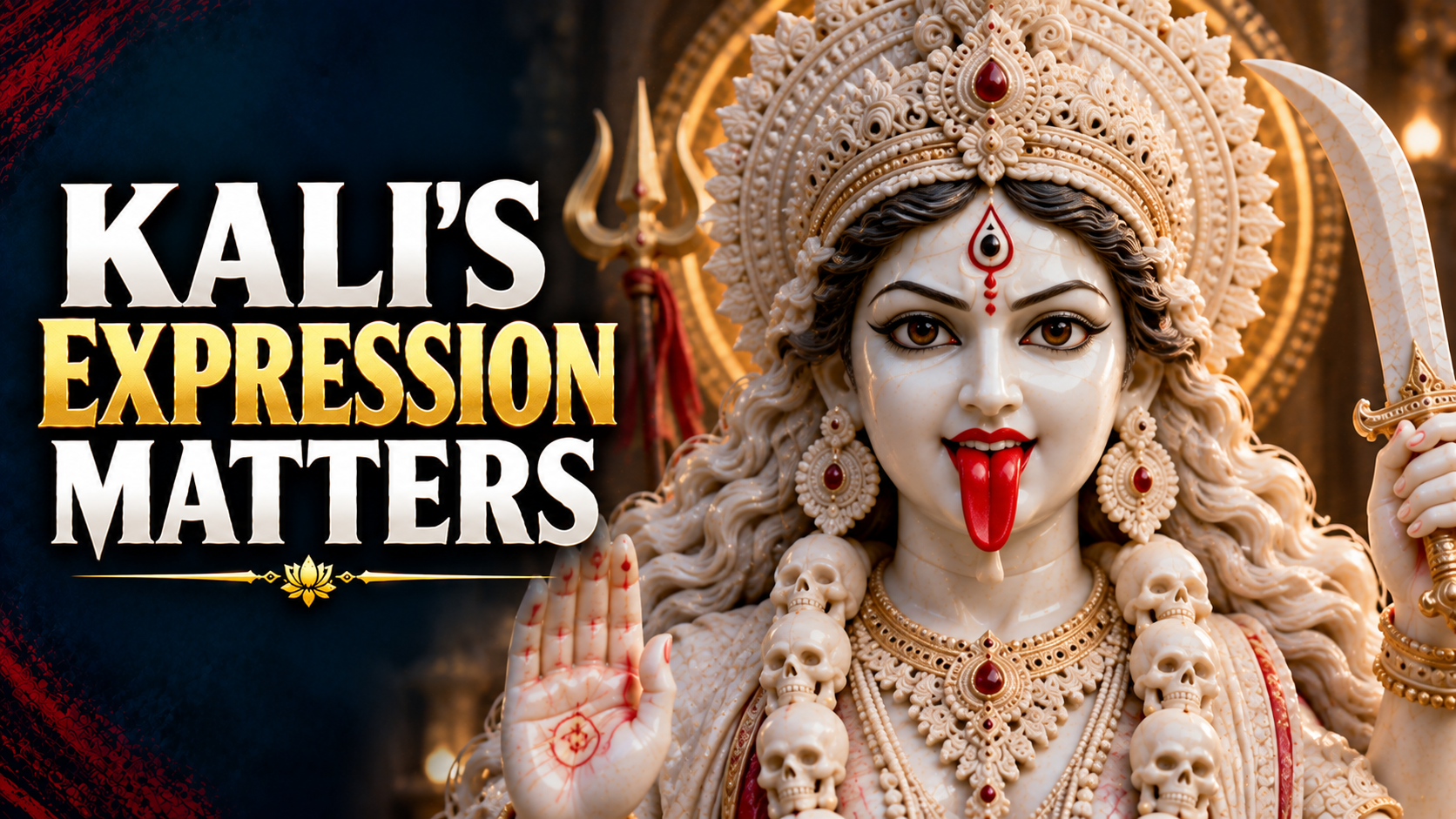
T he face of a maa kali murti is often one of the first details people notice. Her intense eyes, distinctive facial features, and powerful expression can significantly influence how the entire sculpture is perceived. In traditional Indian sculpture, the face is not merely a decorative element; it helps communicate the character and symbolic nature of the deity.
When crafted in marble, even small details in the eyes, eyebrows, lips, and facial contours can change the personality of the murti. This is why experienced artisans pay particular attention to the expression while creating a traditional representation of Maa Kali.
Why Is the Expression Important in a Maa Kali Murti?
Maa Kali is traditionally represented as a powerful and fierce form of Shakti. Her facial expression reflects strength, intensity, and the ability to confront negative forces.
"The expression should not be understood simply as anger — it forms part of a larger representation associated with power, protection, transformation, and the destruction of negativity."
A carefully crafted expression allows these qualities to be communicated visually.
How Do the Eyes Influence Maa Kali's Character?
The eyes are among the most important features of the face. In a traditional Maa Kali murti, the eyes can create an impression of intensity and alertness. Their size, shape, direction, and surrounding details can influence how powerful or commanding the face appears.
Artisans carefully work on:
- Shape of the eyes
- Eyelids
- Eyebrows
- Eye direction
- Distance between the eyes
- Facial proportions around the eyes
Even a small difference in these elements can noticeably change the expression of the complete statue.
What Role Do the Eyebrows Play?
Eyebrows may seem like a small detail, but they contribute significantly to facial expression. Strongly defined or carefully curved eyebrows can reinforce the powerful character associated with Maa Kali. Their position also works together with the eyes to create the desired intensity.
When carving marble, artisans have to maintain symmetry while ensuring that the eyebrows remain consistent with the traditional expression of the figure.
How Do the Lips and Tongue Affect the Expression?
The mouth is another important element of Maa Kali's distinctive appearance. Traditional representations may show her with an extended tongue, which forms a recognizable part of her iconography. The position of the lips and tongue can influence whether the expression appears dramatic, intense, or surprised.
Because these features are positioned prominently on the face, they require careful carving and proportioning.
Why Does Facial Proportion Matter?
A powerful expression cannot be created through the eyes or mouth alone. The entire face needs to remain proportionate. The relationship between the forehead, eyes, nose, cheeks, lips, and chin affects the final appearance.
If one feature is too large or too small, the intended expression can become unbalanced. This is why skilled artisans work on the face as a complete composition rather than treating each feature independently.
How Does the Expression Complement Maa Kali's Fierce Form?
The fierce appearance of Maa Kali is created through a combination of facial expression and other visual elements. Her expression works together with:
- Multiple arms
- Traditional weapons
- Flowing hair
- Garland
- Ornaments
- Dynamic posture
- Traditional attributes
The face provides the emotional focus of the sculpture, while the surrounding elements reinforce the sense of power and movement.
Can a Fierce Expression Also Represent Protection?
Yes. The fierce appearance of Maa Kali is not necessarily intended to represent fear alone. Within traditional symbolism, her powerful form can be associated with protection and the destruction of harmful forces.
This creates an interesting contrast in the representation. Her fierce face can communicate strength and protection, while certain hand gestures may convey reassurance or freedom from fear. The expression therefore becomes part of a larger symbolic language.
How Does the Expression Affect the Overall Personality of the Statue?
Two statues may follow the same traditional design but still appear different because of subtle variations in their facial expressions. For example, differences in:
- Eye shape
- Eyebrow position
- Mouth shape
- Facial contours
- Tongue placement
- Carving depth
Can make one statue appear more intense while another may appear more composed. This is one of the qualities that gives handcrafted sculpture its individual character.
How Do Artisans Carve the Expression in Marble?
Creating a facial expression in marble requires considerable precision. After establishing the basic shape of the head, artisans gradually refine the facial structure. Smaller carving tools are then used to develop the eyes, eyebrows, nose, lips, and other features.
The process typically moves from broader forms to increasingly fine details. An artisan must constantly consider how much marble should be removed because carving too deeply can permanently alter the intended expression.
Why Is Experience Important When Carving the Face?
Marble carving leaves little room for major mistakes. An experienced artisan understands how different carving depths affect the appearance of facial features. They can also maintain symmetry while giving the face the intensity required by the traditional representation.
Experience helps the artisan balance:
- Traditional proportions
- Facial symmetry
- Expression
- Carving depth
- Structural strength
- Fine detailing
These factors work together to create a convincing and balanced face.
How Does Marble Finishing Affect the Expression?
The final surface treatment can also influence how facial features appear. A carefully finished surface can make the eyes, lips, and facial contours more defined. At the same time, excessive polishing may reduce the visual depth of delicate carving.
The finishing process therefore needs to complement the sculpting rather than hide it.
Should the Expression Be the Same in Every Maa Kali Murti?
Not necessarily. Traditional sculpture can allow variations in artistic interpretation while maintaining recognizable characteristics of Maa Kali. Different artisans may create subtle differences in:
- Eye intensity
- Facial shape
- Mouth expression
- Hair arrangement
- Ornamentation
- Overall character
These variations do not necessarily make one design more traditional than another. They can reflect the artisan's craftsmanship and the specific design being followed.
What Should You Look for in the Face of a Maa Kali Murti?
If you are choosing a marble Maa Kali murti, carefully examine the face before making a decision. Look for:
- Balanced facial proportions
- Clearly defined eyes
- Symmetrical eyebrows
- Well-shaped nose and lips
- Carefully carved tongue
- A consistent overall expression
- Clean detailing without rough edges
- A finish that preserves facial definition
The expression should look intentional rather than appearing accidental or uneven.
Does the Expression Matter More Than the Other Details?
The face is extremely important, but it should not be considered separately from the rest of the sculpture. A beautifully carved face may still look out of place if the body proportions, arms, ornaments, posture, or traditional attributes are poorly executed.
The strongest Maa Kali murtis create visual harmony between the face and the complete figure. The expression should complement the posture, attributes, and overall composition.
How Does Facial Expression Support Traditional Symbolism?
Traditional iconography communicates ideas through visual features. The intense eyes can contribute to the representation of power. The fierce expression can reinforce the destructive and protective aspects of Kali. The extended tongue and other facial characteristics connect the sculpture with established traditional narratives.
As a result, the face serves both an artistic and symbolic purpose.
Why Is the Face Often the Focal Point?
When people look at a statue, they naturally tend to focus on the face first. This makes the expression an important part of the sculpture's visual impact. A carefully carved face can immediately establish the mood and character of the entire murti.
The artisan therefore has to ensure that the facial expression works from the intended viewing distance and complements the scale of the statue.
How Can You Compare Facial Expressions Between Different Statues?
When comparing two or more Maa Kali murtis, look beyond whether one face appears simply "beautiful." Instead, consider:
- Are the eyes symmetrical?
- Does the expression appear intentional?
- Are the facial proportions balanced?
- Is the tongue carefully carved?
- Are the lips and eyebrows well defined?
- Does the face complement the posture?
- Does the overall expression match the traditional character?
These questions can help you evaluate craftsmanship more objectively.
What Makes a Powerful Maa Kali Expression Effective?
A successful expression is not necessarily the most dramatic one. It is one where the eyes, eyebrows, mouth, facial proportions, and surrounding design elements work together.
The expression should communicate the intended strength of Maa Kali while remaining consistent with the overall traditional form. This balance between intensity and proportion is what makes facial craftsmanship particularly important in marble sculpture.
Conclusion
The expression of a Maa Kali murti plays an important role in defining its character. The eyes, eyebrows, lips, tongue, facial contours, and overall proportions work together to communicate the powerful nature traditionally associated with Maa Kali.
A skilled artisan does not simply carve facial features into marble. They carefully balance expression, symmetry, traditional representation, carving depth, and the overall composition of the statue.
For those looking for traditionally crafted marble religious sculptures, an experienced marble murti manufacturer in Jaipur can help you explore designs where traditional representation and detailed craftsmanship come together.
Ultimately, the face gives the Maa Kali murti its visual personality, while the craftsmanship behind that expression helps preserve the artistic character of traditional marble sculpture.
Frequently Asked Questions
Why is the expression important in a Maa Kali murti?
The expression helps communicate the powerful, fierce, and protective character traditionally associated with Maa Kali. It also gives the sculpture its visual personality.
Which facial feature is most important in a Maa Kali murti?
The eyes are particularly important, but the complete expression depends on the eyes, eyebrows, nose, lips, tongue, and overall facial proportions working together.
Why does Maa Kali have a fierce expression?
Her fierce expression is traditionally associated with strength, protection, transformation, and the destruction of negative forces.
Does every Maa Kali murti have the same facial expression?
No. Traditional designs can have subtle artistic variations in the eyes, facial contours, mouth, and overall expression while retaining the recognizable form of Maa Kali.
How do artisans create facial expressions in marble?
Artisans first establish the basic shape of the head and then gradually refine the eyes, eyebrows, nose, lips, tongue, and other details using increasingly precise carving techniques.
Can the marble finish affect the facial expression?
Yes. The finishing process can influence how clearly facial contours and fine details are visible. A suitable finish should enhance rather than obscure the carving.
What should I check when choosing a Maa Kali murti?
Pay attention to facial proportions, eye symmetry, expression, carving quality, traditional features, overall posture, marble quality, and the relationship between the face and the complete sculpture.
Thanks for reading! Follow for more articles like this.


 English
 Arabic
 Français
 Español
 Português
 Deutsch
 Türkçe
 Italiano
 Russian
 Romaian
 Portuguese (Brazil)
 Greek