


Snap 8 Peptide: How It Works and What the Science Says
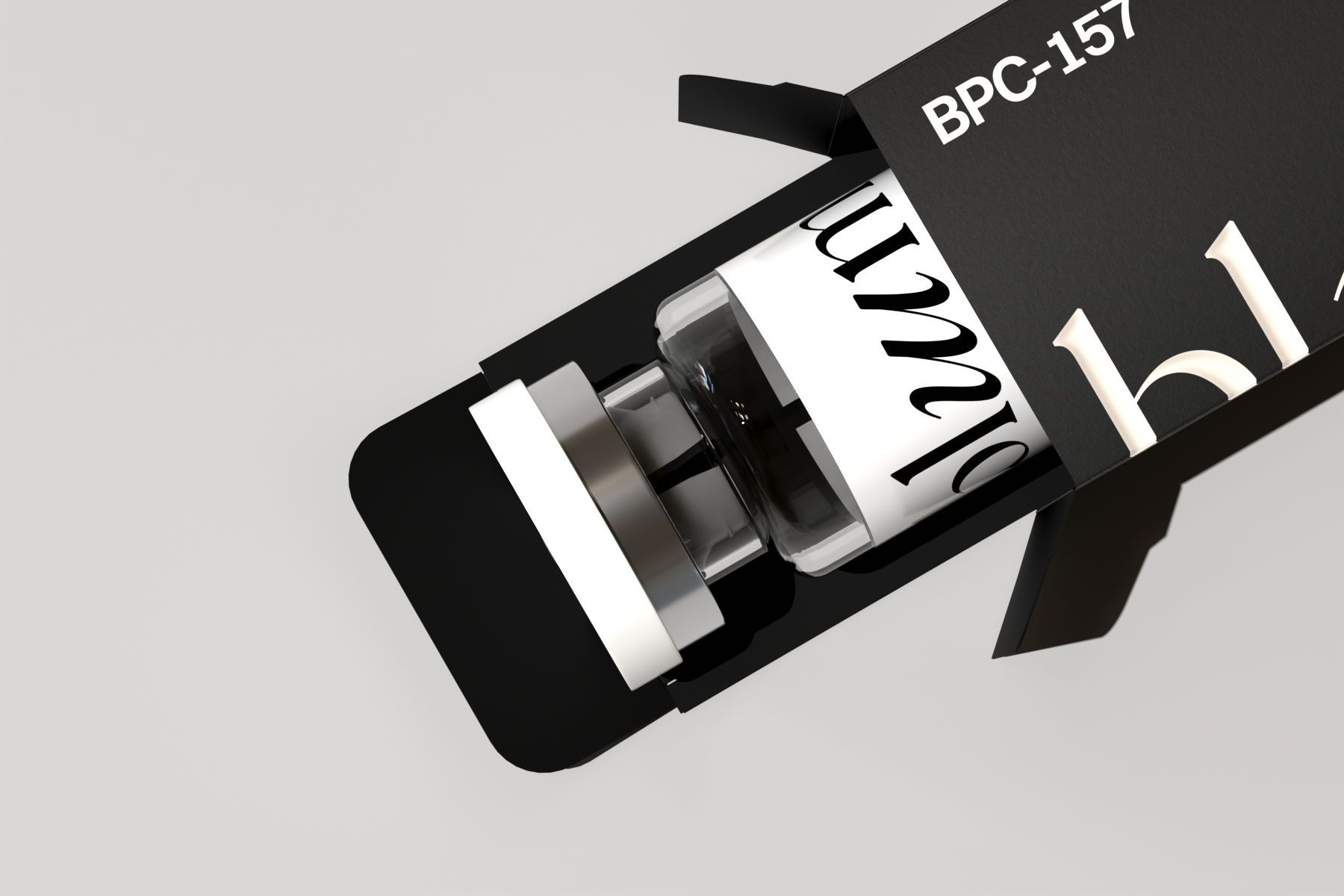
Snap 8 peptide is a synthetic cosmetic peptide that has gained attention in skincare research because of its proposed connection with expression lines and facial muscle activity. It is commonly identified as acetyl octapeptide-3 and was developed as an extended relative of acetyl hexapeptide-8. Unlike injectable neuromodulators, Snap 8 peptide is primarily associated with topical cosmetic formulations. For researchers, understanding its molecular structure, proposed mechanism, evidence base, and limitations is more useful than relying on simplified marketing descriptions.
What Is Snap 8 Peptide?
Snap 8 peptide is an eight-amino-acid synthetic peptide designed around a portion of SNAP-25, a protein involved in neurotransmitter release. Its cosmetic research profile centers on the idea that it may interfere with processes involved in SNARE complex formation. This proposed mechanism has made the ingredient interesting for formulations intended to improve the appearance of expression-related wrinkles. However, the evidence specific to Snap 8 remains considerably more limited than some promotional descriptions suggest, particularly when considering independent human research.
The distinction between Snap 8 and related peptides is important for accurate scientific interpretation. Snap 8 is an extended analogue of acetyl hexapeptide-8, commonly known as Argireline, but the two compounds are not identical. Findings involving one peptide should not automatically be treated as evidence for the other. Researchers should identify the exact molecule, formulation, concentration, and experimental conditions before applying research conclusions to a particular product or study.
How Snap 8 Peptide Is Thought to Work
The proposed mechanism of Snap 8 peptide involves the SNARE complex, a group of proteins responsible for the fusion of neurotransmitter-containing vesicles with cell membranes. Snap 8 is designed to mimic part of SNAP-25 and is proposed to compete with the naturally occurring protein during SNARE complex assembly. If this interaction occurs as proposed, neurotransmitter release could potentially be reduced, which may influence the muscle contractions associated with facial expression lines.
This mechanism should be described as a proposed biological pathway rather than an established clinical effect. Current research assessments indicate that much of the mechanistic rationale for Snap 8 comes from its design and related peptide research rather than extensive independent studies directly demonstrating the complete pathway in human skin. The biological principles of SNARE-mediated neurotransmitter release are well established, but that does not prove that a topical Snap 8 formulation reaches the relevant neuromuscular junction in sufficient concentrations to reproduce a comparable effect.
Potential Cosmetic Benefits
The main cosmetic interest in Snap 8 peptide concerns the appearance of fine lines and wrinkles caused partly by repetitive facial expression. The theoretical objective is to reduce the intensity of signals associated with repeated muscle contraction, potentially producing smoother-looking skin over time. Some supplier-sponsored research has reported improvements in wrinkle measurements, but independent evidence specific to Snap 8 as a single active ingredient remains limited. Researchers should therefore distinguish reported cosmetic findings from independently confirmed clinical outcomes.
Another important factor is formulation. A peptide's performance can depend on concentration, stability, supporting ingredients, delivery system, and the length of time it remains in contact with the skin. Human studies involving formulations that contain acetyl octapeptide-3 have also included other active ingredients, making it difficult to determine how much of the observed effect came specifically from Snap 8. Consequently, a product containing the peptide should not automatically be expected to reproduce results reported for a different formulation.
Skin Penetration and Formulation Challenges
Topical peptide research faces a fundamental challenge: the skin barrier is highly effective at limiting the movement of many molecules into deeper tissues. For Snap 8 to influence a target associated with facial muscle signaling, the intact peptide would need to remain stable and reach an appropriate biological location. This makes formulation science an important part of evaluating the ingredient. Laboratory evidence showing a particular molecular interaction does not necessarily demonstrate that sufficient peptide reaches the intended target after ordinary topical application.
Researchers therefore consider factors such as peptide stability, formulation characteristics, delivery systems, and skin permeability. These variables can substantially affect the performance of a topical ingredient. A formulation optimized for experimental delivery may behave differently from a conventional serum or cream. This is why evidence from one delivery system should not automatically be generalized to every cosmetic product containing Snap 8 peptide.
What the Current Science Says
The current evidence base should be interpreted cautiously. Research profiles available in 2026 indicate that dedicated independent controlled human efficacy evidence for Snap 8 alone is limited. Some human studies have evaluated multi-ingredient formulations containing acetyl octapeptide-3, but such designs cannot isolate the contribution of Snap 8 from the other ingredients. This means that claims about specific percentages of wrinkle reduction should be treated cautiously unless they are supported by transparent, independently reproducible research.
The distinction between mechanistic plausibility and demonstrated effectiveness is especially important here. A plausible mechanism can justify further investigation, but it does not establish that a cosmetic product will produce a particular result in consumers. Stronger evidence would require well-designed studies that clearly identify Snap 8 as the active intervention, use appropriate controls, measure predefined outcomes, and provide enough methodological information for independent evaluation. Until such evidence is available, conclusions should remain appropriately limited.
Snap 8 Peptide Compared With Other Research Peptides
Snap 8 peptide is primarily associated with cosmetic and dermatological research, whereas other peptides are investigated for metabolic, cellular, or physiological purposes. For example, BPC-157 is a separate experimental peptide that has been investigated mainly in preclinical research. Searching for terms such as bpc 157 for sale may produce commercial listings, but availability does not establish regulatory approval, clinical effectiveness, or human safety. The FDA has reported limited safety information concerning BPC-157 and identified concerns including peptide-related impurities, characterization challenges, and possible immunogenicity risks for certain routes of administration.
Keeping these compounds separate is important because evidence cannot simply be transferred from one peptide to another. Snap 8 research concerns a proposed cosmetic mechanism involving SNARE-related signaling, while BPC-157 research addresses different biological questions. A product listing, research label, or purity statement also cannot replace appropriate scientific evidence. Researchers should evaluate each compound according to its own molecular identity, research history, route of administration, and quality documentation.
Quality and Safety Considerations
Researchers evaluating Snap 8 peptide should examine the identity and quality of the material rather than relying solely on its name. Analytical methods such as high-performance liquid chromatography and mass spectrometry can provide useful information about purity and molecular characteristics. Batch-specific documentation can also improve traceability by connecting analytical results with the exact material being evaluated. These practices are particularly important when research depends on reproducibility between experiments.
Safety should be considered according to the intended route and application. Evidence supporting a topical cosmetic ingredient does not establish that the same peptide is appropriate for injection, systemic administration, or medical treatment. Likewise, laboratory findings do not automatically demonstrate long-term human safety. Researchers should follow appropriate laboratory procedures and evaluate available evidence before making claims about biological effects. Clear separation between cosmetic research, experimental laboratory use, and approved medical treatment helps maintain scientific accuracy.
The Future of Snap 8 Peptide Research
Future research could help clarify several unanswered questions about Snap 8 peptide, including its ability to penetrate skin, its stability in different formulations, and the extent to which it independently influences wrinkle-related outcomes. Better-controlled studies could also distinguish the effects of Snap 8 from those of other ingredients commonly included in cosmetic formulations. Independent replication would be particularly valuable because many existing claims originate from industry or manufacturer materials. More rigorous evidence would provide researchers with a clearer understanding of the ingredient's actual performance.
Overall, Snap 8 peptide has a scientifically interesting proposed mechanism and an established place in cosmetic peptide discussions, but its evidence should not be overstated. The molecular rationale is based on SNAP-25 and SNARE-complex biology, while direct evidence for topical effectiveness remains limited. Researchers should therefore focus on verified identity, appropriate analytical testing, formulation-specific evidence, and transparent study methods. This balanced approach makes it possible to understand what Snap 8 peptide may offer while recognizing what current science has not yet conclusively demonstrated.


 Arabic
 Français
 Español
 Português
 Deutsch
 Türkçe
 Dutch
Dutch
 Italiano
 Russian
 Romaian
 Portuguese (Brazil)
 Greek
Greek