


Dental Implants in Dubai: Everything You Need to Know Before Treatment
A missing tooth can change the way you eat, speak, and smile. Beyond the visible gap, tooth loss may affect the surrounding teeth and contribute to gradual changes in the jawbone. Modern implant dentistry offers a long-term way to address these concerns by replacing both the visible tooth and its root.
For anyone researching dental implants in Dubai, knowing what happens before, during, and after treatment can make the process easier to understand. From single-tooth replacement to full-arch rehabilitation, dental implant treatment can be customized according to the patient's oral health, bone condition, and restoration needs.
Harmony Medical Group provides comprehensive dental implant care in Dubai, Abu Dhabi, and across the UAE, combining specialist expertise with modern diagnostic and treatment technologies.
What Exactly Are Dental Implants?
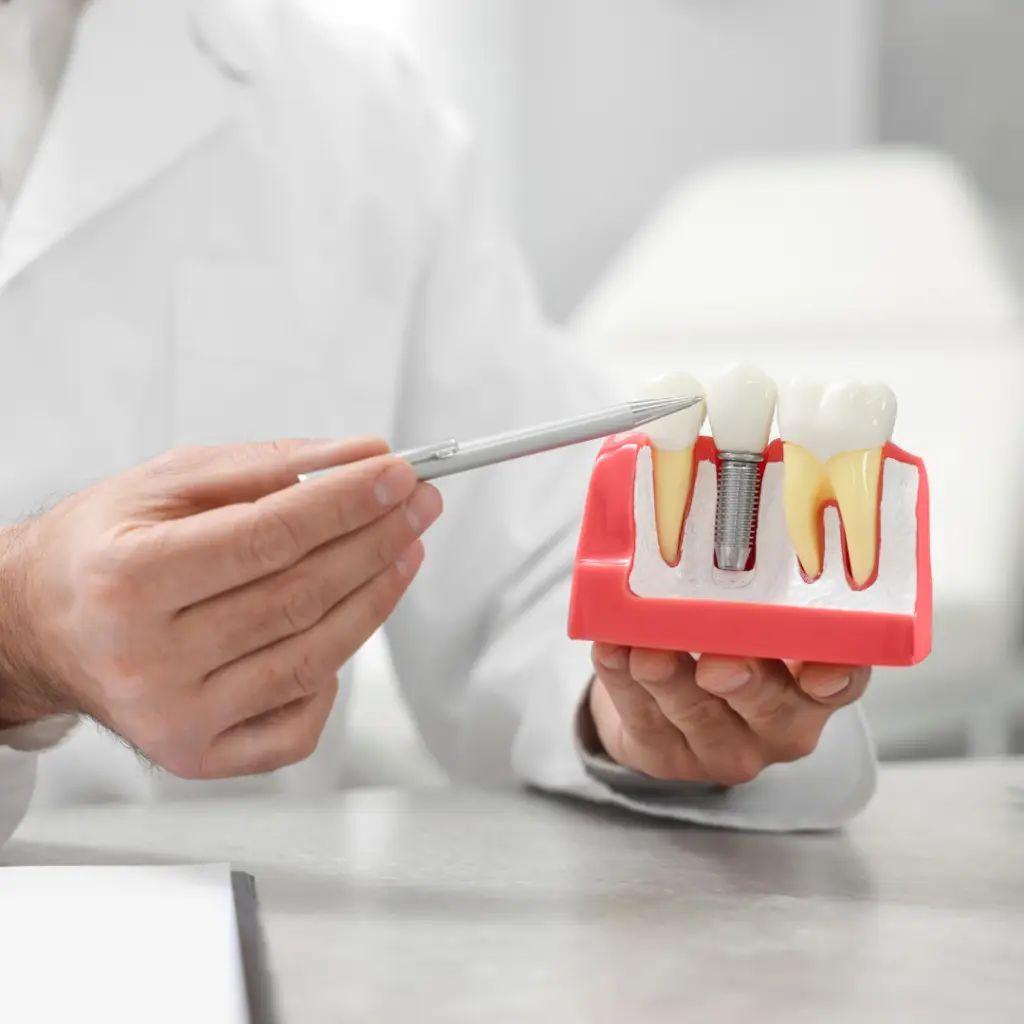
Dental implants are artificial tooth roots that are placed inside the jawbone to support replacement teeth. Most implants are made from biocompatible materials such as titanium or zirconia.
Unlike removable dentures, an implant is anchored into the jawbone. Once healing and integration have taken place, it can provide a stable base for a crown, bridge, or full-arch prosthesis.
A conventional implant restoration contains three key parts:
Implant fixture: This is the portion positioned inside the jawbone and functions as an artificial tooth root.
Abutment: The abutment connects the implant fixture with the visible restoration.
Crown or prosthesis: This is the replacement tooth or set of teeth designed to restore appearance and function.
The combination of these components allows dental implants to closely replicate the structure and function of natural teeth.
Why Are Dental Implants a Popular Tooth Replacement Option?
When researching the best dental implants in Dubai, patients often want to understand why implants are recommended for missing teeth. Their popularity comes from their combination of stability, appearance, and functionality.
Improved Chewing Ability
A missing tooth can make biting and chewing uncomfortable. An implant-supported restoration provides a secure foundation that can help restore normal eating function.
Natural-Looking Results
Dental crowns are individually designed to complement the surrounding teeth. Color, shape, size, and position can all be considered when creating the final restoration.
Support for Jawbone Preservation
The jawbone naturally receives stimulation from tooth roots. When a tooth is lost, this stimulation decreases and bone resorption may occur. An implant can provide functional stimulation to the surrounding bone.
Stability During Speaking
Because implants are fixed in place, they do not move in the same way that removable dentures can. This can provide greater confidence during everyday conversations.
No Dependence on Neighboring Teeth
When replacing a single tooth with an implant, the neighboring teeth generally do not need to serve as supports for the restoration. This can help preserve healthy adjacent teeth.
The Dental Implant Process Explained
Dental implant treatment is not identical for every patient. Some people require only implant placement and a crown, while others may need preparatory procedures first.
Here is what the process may involve.
1. Dental Examination and Treatment Planning
The first stage is a detailed assessment. Your dental team will examine your teeth, gums, bite, and jawbone and review your medical and dental history.
Digital imaging may be recommended to evaluate bone volume and important anatomical structures. A 3D Cone Beam CT scan can provide detailed information that assists with implant planning when clinically appropriate.
Your dentist will then explain the available treatment options and develop a plan based on your individual requirements.
2. Preparatory Dental Treatment
Some patients need their mouth prepared before receiving an implant.
Possible procedures include:
- Treatment for gum disease
- Removal of severely damaged teeth
- Bone grafting
- Bone augmentation
- Sinus lift procedures
- Treatment of existing infections
Not every patient needs these additional procedures. Their necessity depends on the condition of the proposed implant site.
3. Implant Placement
Once the treatment site is ready, the implant fixture is surgically positioned in the jawbone.
Local anesthesia is commonly used, while sedation may be considered for suitable patients. Digital planning and guided techniques can assist the dental team in positioning the implant accurately.
4. Healing Period
Following implant placement, the jawbone gradually integrates with the implant surface. This process is known as osseointegration.
Healing time differs between patients. Bone quality, implant location, overall health, and additional procedures can all influence the timeline.
In suitable cases, a temporary restoration may be provided while the implant heals.
5. Attaching the Abutment
After sufficient healing, the implant is connected to an abutment. This component provides the connection between the implant and the final dental restoration.
A digital scan or conventional impression may then be used to create the permanent crown or prosthesis.
6. Final Restoration
The final restoration is designed to fit comfortably and complement the patient's existing teeth.
Once it has been attached, the replacement tooth can restore the appearance of the smile while providing functional support for everyday activities such as eating and speaking.
Different Types of Dental Implant Solutions
There is no single implant treatment suitable for every patient. The appropriate option depends on the number of missing teeth and the condition of the jawbone and gums.
Single-Tooth Dental Implants
A single implant can replace one missing tooth and support an individual crown. It is a commonly used approach when only one tooth needs to be replaced.
Same-Day Dental Implants
In carefully selected situations, an implant may be placed immediately following tooth extraction. This approach is not appropriate for every patient and depends on factors such as the condition of the bone and implant stability.
3D-Guided Implant Surgery
Three-dimensional imaging can be used to plan implant placement before surgery. Computer-assisted planning helps the dental team evaluate implant positioning and anatomical structures.
All-on-4 Dental Implants
All-on-4 treatment uses four strategically placed implants to support a complete arch of replacement teeth. It may be considered for patients who have extensive tooth loss or require full-arch rehabilitation.
All-on-6 Dental Implants
All-on-6 treatment uses six implants to support a full-arch restoration. The number and position of implants are determined according to the patient's clinical condition.
Are Dental Implants Suitable for Everyone?
Dental implants can be an option for many adults with missing teeth, but eligibility must be determined through an individual dental examination.
Your dentist may evaluate:
- Jawbone volume and density
- Gum and periodontal health
- Number of missing teeth
- Location of the missing teeth
- Existing dental infections
- Medical history
- Oral hygiene habits
- Smoking and other lifestyle factors
Patients who have experienced bone loss may sometimes become candidates for implants after procedures such as bone grafting or sinus augmentation.
What Makes a Dental Implant Treatment Successful?
Successful implant treatment involves more than placing an implant. Careful planning, appropriate surgical technique, healthy gums, adequate bone support, and proper maintenance all contribute to long-term outcomes.
Patients can also support their oral health by maintaining good daily hygiene, attending dental checkups, following post-treatment instructions, and avoiding habits that may place excessive stress on their restorations.
This is why choosing an experienced dental team is an important part of the treatment process.
Why Consider Harmony Medical Group?
Patients searching for affordable dental implants Dubai may encounter many different treatment providers and should consider the complete quality of care rather than focusing on one factor alone.
Harmony Medical Group offers implant dentistry through a multidisciplinary team that includes experienced oral and maxillofacial surgeons, implant specialists, and prosthodontic professionals.
Its implant services include single-tooth replacement, same-day implant options for suitable cases, 3D-guided implant surgery, All-on-4, and All-on-6 treatment.
Modern diagnostic technology can support detailed treatment planning, while sedation options may be available for appropriate patients who are anxious about dental procedures.
The focus is on developing an implant plan that reflects each patient's dental condition, functional requirements, and aesthetic goals.
Frequently Asked Questions About Dental Implants
How long does dental implant treatment take?
Treatment duration varies. Some patients require only a few stages, while others need additional procedures such as bone grafting before implant placement. Your dentist can provide a more specific timeline after examination.
Do dental implants look like natural teeth?
A properly planned implant restoration can be designed to closely match surrounding natural teeth in color, shape, and proportions.
Can dental implants replace multiple missing teeth?
Yes. Depending on the patient's needs, implants can support individual crowns, bridges, implant-supported dentures, or full-arch restorations.
What happens if there is not enough jawbone?
Bone grafting, augmentation, or other specialized techniques may be considered in appropriate cases. A CBCT scan can help the dental team assess available bone.
How should dental implants be maintained?
Implants require regular brushing, cleaning between teeth, professional dental examinations, and ongoing maintenance. Good gum health is particularly important for protecting the tissues around an implant.
Final Takeaway
Dental implants have transformed the way missing teeth can be replaced. By providing an artificial tooth root and supporting a customized restoration, they can help restore chewing ability, smile appearance, and dental function.
For people exploring best dental implants in Dubai, the right treatment begins with a professional assessment rather than a one-size-fits-all approach. Factors such as bone condition, gum health, the number of missing teeth, and overall oral health should all be considered.
With specialist-led care, modern technology, and personalized treatment planning, Harmony Medical Group provides a range of implant solutions designed around individual patient needs across Dubai and the UAE.

 Arabic
 Français
 Español
 Português
 Deutsch
 Türkçe
 Dutch
Dutch
 Italiano
 Russian
 Romaian
 Portuguese (Brazil)
 Greek
Greek