

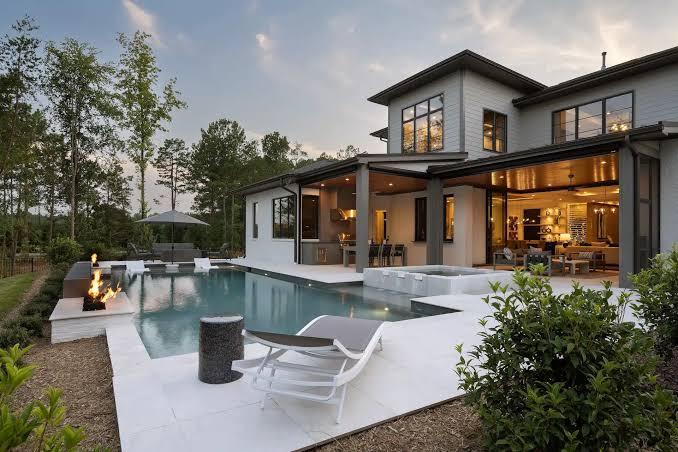
How to Plan and Cost a Luxury Custom Home Build: A Complete Guide for Homeowners

Building a luxury custom home is one of the most rewarding projects a homeowner can undertake. It’s also one of the most complex. Between land, design, engineering, permits, materials, and construction, dozens of decisions shape both the final result and the final price. Homeowners who plan carefully tend to enjoy the process far more than those who jump in without a roadmap.
This guide walks you through how to plan a luxury custom build, what drives costs, how to build a realistic budget, and how to choose the right team. Whether you already own a lot or are still searching, you’ll come away with a clearer picture of what to expect.
What Makes a Home “Luxury Custom”?
A luxury custom home is designed from scratch around one family’s tastes, needs, and property. Unlike a production home, nothing is off the shelf. The floor plan, architecture, materials, and systems are selected to match your lifestyle.
Typical hallmarks include:
-
Architect-designed floor plans tailored to the lot and views
-
Premium materials such as natural stone, custom millwork, and designer-grade fixtures
-
High-end kitchens, spa-style primary baths, and expansive outdoor living areas
-
Integrated smart-home technology, advanced security, and energy-efficient systems
-
Specialty spaces like wine cellars, home theaters, gyms, elevators, or guest suites
Because every element is customized, planning matters even more than it would for a standard build.
Step 1: Define Your Vision and Priorities
Before you talk to an architect or builder, clarify what you want. Write down:
-
How many bedrooms, bathrooms, and living spaces you need
-
Your preferred architectural style, such as modern, traditional, Mediterranean, or transitional
-
Must-have features versus nice-to-haves
-
How you entertain, work, and relax at home
-
Long-term needs, including aging in place or multigenerational living
Gather inspiration photos, but also think about daily function. A beautiful home that doesn’t suit your routine will disappoint over time. Ranking your priorities gives you a decision-making framework when tradeoffs arise later.
Step 2: Understand the Land
The lot influences nearly everything: design, engineering, timeline, and cost. If you’re still shopping for property, evaluate:
-
Zoning and setbacks. These determine how large and how tall you can build.
-
Topography. Sloped or hillside lots often require retaining walls, specialized foundations, and extra engineering.
-
Soil conditions. Geotechnical testing identifies stability concerns that can affect foundation design.
-
Utilities and access. Confirm availability of water, sewer or septic, power, and gas, and consider how equipment and materials will reach the site.
-
Views and orientation. Sun, wind, privacy, and sightlines affect how the home should be positioned.
-
Regulatory overlays. Coastal zones, fire zones, historic districts, and homeowners associations can add review steps and requirements.
Bringing a builder into the conversation before you buy land can save you from expensive surprises.
Step 3: Assemble Your Team
A luxury build typically involves several professionals working together:
-
Architect: Creates the design and construction drawings
-
Builder or general contractor: Manages construction, subcontractors, schedule, and budget
-
Structural, civil, and geotechnical engineers: Ensure the design is safe and buildable
-
Interior designer: Helps select finishes, fixtures, and furnishings
-
Landscape designer: Plans outdoor spaces and hardscape
-
Specialty consultants: Lighting, audiovisual, kitchen, or pool designers, as needed
Many homeowners find that involving experienced luxury custom home builders early, during design rather than after, produces better outcomes. Builders can offer real-time feedback on cost, constructability, and materials so the design stays aligned with the budget.
Step 4: Build a Realistic Budget
Budgeting is where many projects go off track. A thorough budget accounts for more than construction alone.
Land Costs
If you don’t already own your lot, purchase price, closing costs, and any demolition of an existing structure belong in your budget.
Hard Costs
These are the direct costs of building the home:
-
Site preparation, grading, and excavation
-
Foundation and structural framing
-
Roofing, windows, doors, and exterior finishes
-
Plumbing, electrical, and HVAC systems
-
Insulation, drywall, and interior finishes
-
Cabinetry, countertops, flooring, and tile
-
Appliances and fixtures
-
Pools, patios, outdoor kitchens, and landscaping
Soft Costs
These are the indirect costs that are easy to overlook:
-
Architectural and engineering fees
-
Interior design fees
-
Permits, impact fees, and plan review charges
-
Surveys, soil reports, and inspections
-
Insurance, financing costs, and legal fees
-
Utility connection fees
Contingency
Set aside a contingency fund, often in the range of 10 to 20 percent of construction costs, for unforeseen conditions and changes. On complex or hillside sites, a higher cushion may be wise. Treat it as a standard line item, not a luxury.
What Drives the Cost of a Luxury Custom Home?
Costs vary widely by region and project, so rather than relying on generic per-square-foot numbers, focus on the factors that move the needle.
Size and complexity. Larger homes cost more overall, but complexity matters too. Intricate rooflines, curved walls, cantilevers, and multiple levels increase labor and engineering needs.
Site conditions. Steep slopes, poor soils, limited access, or coastal exposure can add significant expense.
Material selections. The difference between standard and premium finishes can be enormous. Natural stone, imported tile, custom cabinetry, and specialty metals all raise the price.
Systems and technology. Whole-home automation, advanced HVAC zoning, solar and battery storage, and high-end security add to both cost and long-term value.
Labor and market conditions. Skilled labor availability and material pricing can shift during the project timeline.
Design changes. Changes after construction begins are among the most expensive. Finalizing decisions early protects your budget.
Step 5: Navigate Design and Permitting
The design phase typically moves from concept sketches to schematic design, then design development, and finally detailed construction documents. At each stage, you refine layouts, materials, and details.
After design, plans go through permitting. Depending on your location, this can include planning review, design review, environmental review, and building plan check. Timelines vary, and revisions are common. Build time into your schedule for comments and corrections rather than assuming a smooth first pass.
Step 6: Choose the Right Contract Structure
Builders commonly use one of several pricing models:
-
Fixed price (lump sum): A set price for a defined scope. It offers predictability but requires thorough plans up front.
-
Cost plus a fee: You pay actual costs plus a fee or percentage. It offers transparency and flexibility but requires strong oversight.
-
Guaranteed maximum price: A cost-plus structure with a cap, combining flexibility with a ceiling.
Each approach has tradeoffs. The right choice depends on how complete your plans are, how much flexibility you want, and how comfortable you are with variable costs.
Step 7: Manage Construction and Communication
Once construction begins, regular communication keeps the project on track. Look for builders who provide:
-
Detailed schedules and milestone updates
-
Clear change order procedures with written pricing before work proceeds
-
Regular site meetings and progress reports
-
Transparent tracking of budget versus actual costs
Make decisions on finishes and fixtures promptly. Delays in selections are a common source of schedule slippage.
How to Choose Among Luxury Custom Home Builders
The builder you select will influence quality, cost, and your overall experience. When evaluating luxury custom home builders, consider:
-
Portfolio and craftsmanship. Visit completed homes if possible and look closely at details.
-
Local expertise. Familiarity with your area’s codes, permitting, and site conditions is invaluable.
-
Financial stability and licensing. Verify licenses, insurance, and references.
-
Communication style. You’ll interact frequently, so choose a team that listens and responds.
-
Transparency. Insist on clear estimates, honest timelines, and open books where appropriate.
-
Client references. Ask past clients about budget accuracy, problem-solving, and post-construction service.
Interview several luxury custom home builders before deciding. The lowest bid isn’t always the best value, and an unusually low number can signal omitted scope or future change orders.
How Reeland Investments Can Help
Planning a high-end residence requires clarity, patience, and a partner who understands both the big picture and the details. Reeland Investments helps clients across Southern California approach real estate and development with confidence. From evaluating a property’s potential to thinking through budgets and project planning, Reeland Investments offers a thoughtful, client-focused perspective.
If you’re researching luxury custom home builders and want to understand what your project might involve, Reeland Investments can help you ask the right questions, set realistic expectations, and take the next step with greater certainty.
Common Planning Mistakes to Avoid
-
Underestimating soft costs. Design fees, permits, and consultants can add up quickly.
-
Skipping contingency. Every project encounters surprises.
-
Over-customizing without a budget filter. Not every idea fits every budget.
-
Choosing a team on price alone. Quality, communication, and experience matter.
-
Changing plans mid-build. Late changes are costly and disruptive.
-
Ignoring long-term operating costs. Larger homes with complex systems cost more to maintain and insure.
Frequently Asked Questions
How long does it take to build a luxury custom home?
Most projects take well over a year from initial design to move-in, with design and permitting often taking as long as construction. Site conditions, home size, and design complexity can extend the timeline.
How much should I budget for a luxury custom build?
It depends on location, size, site conditions, and finish levels. Instead of relying on averages, ask builders for a detailed estimate based on your actual plans and property.
Should I hire the architect or the builder first?
Many homeowners involve both early. A builder’s input during design helps keep the project aligned with your budget and avoids costly redesigns.
What is a contingency, and how much do I need?
A contingency is a reserve for unexpected costs. Many homeowners set aside 10 to 20 percent of construction costs, sometimes more for complex sites.
Can I make changes after construction starts?
Yes, but changes usually increase cost and extend the schedule. Finalizing selections before groundbreaking is the best way to protect your budget.
Do I need a geotechnical report?
For many lots, especially sloped or coastal ones, yes. It informs foundation design and helps avoid expensive surprises.
How do I compare bids from different builders?
Make sure each bid covers the same scope, allowances, and specifications. Review what’s included, what’s excluded, and how changes are priced.
Is it better to buy land first or find a builder first?
Ideally, talk to a builder before you buy. They can help you assess whether the lot suits your plans and budget.
Final Thoughts
A luxury custom home is a major investment of time, money, and energy, but careful planning makes the journey far more enjoyable. Define your vision, understand your site, build a realistic budget with room for the unexpected, and surround yourself with experienced professionals.
If you’re ready to start exploring your options with luxury custom home builders, reach out to Reeland Investments. A thoughtful conversation today can lay the foundation for a home you’ll love for decades to come.


