


What Are the Common Causes of Sudden Hair Loss in Islamabad?
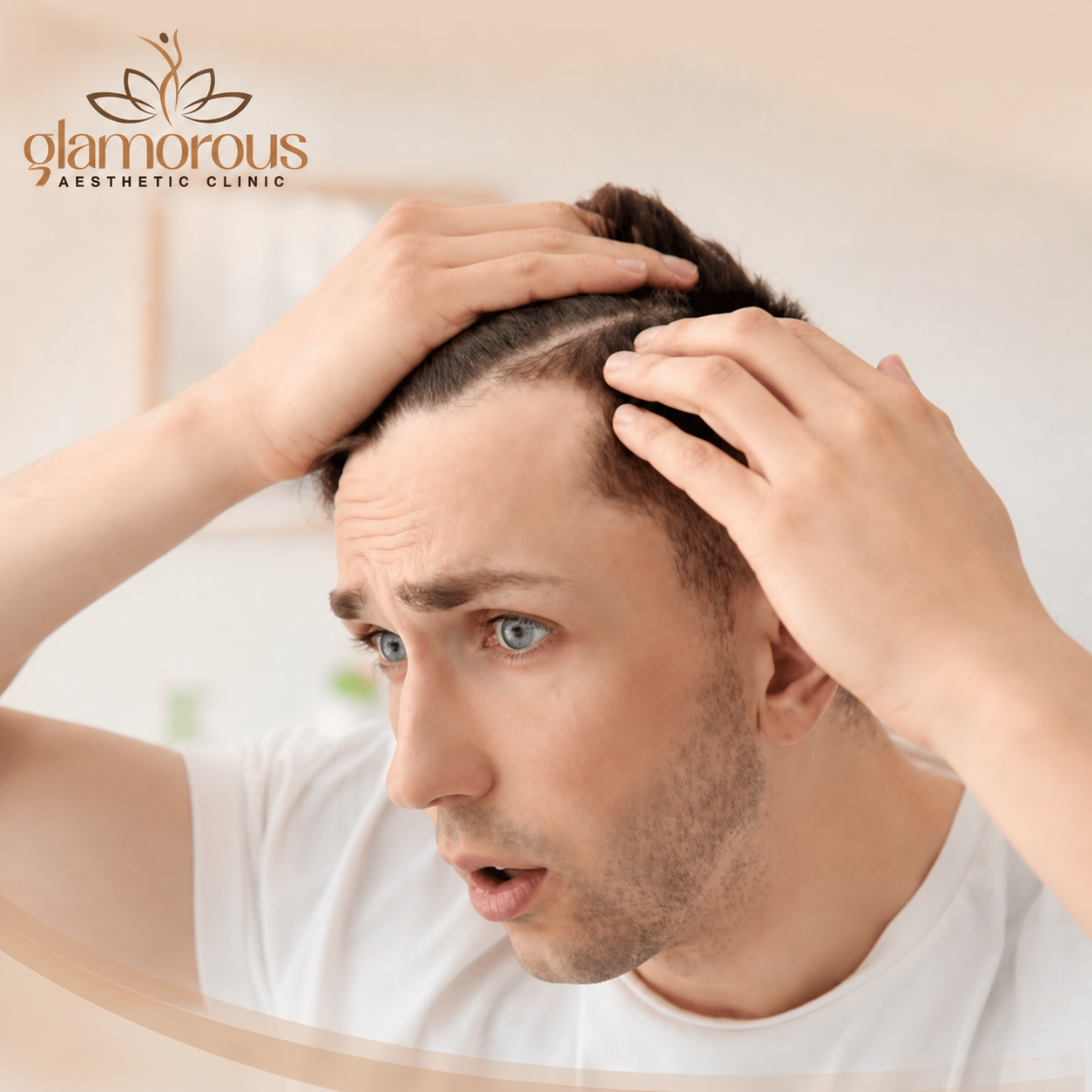
Noticing a large amount of hair in your brush, shower drain or on your pillow can be alarming, especially when it seems to happen overnight. Sudden hair loss affects men and women of all ages, and it is rarely caused by just one thing. Understanding the reason behind it is the first step toward fixing it, and for many people that means seeking professional Hair Loss Treatment in Islamabad after a proper diagnosis. This article explains the most common causes of sudden shedding, how they differ from one another and when it is time to get medical help.
Understanding Normal Hair Shedding Versus Sudden Hair Loss
Before looking at causes, it helps to know what is normal. Most people lose around fifty to one hundred hairs every day as part of the natural hair growth cycle. Each hair passes through a growth phase, a short transition phase and a resting phase before it falls out and is replaced by a new strand.Sudden hair loss is different. It usually means a noticeable increase in shedding over a few weeks or months, visible thinning, bald patches or a widening part. When the amount of hair falling out clearly exceeds your usual pattern, something has disturbed the cycle, and identifying that trigger is essential for choosing the right approach.
Stress and Emotional Strain
One of the most common causes of sudden shedding is physical or emotional stress. A major life event such as a family loss, job pressure, financial worry, a difficult move or a long period of anxiety can push a large number of hair follicles into the resting phase at the same time. This condition is known as telogen effluvium.The delay is what confuses many people. Shedding often begins two to three months after the stressful event, so the connection is not always obvious. The good news is that stress-related shedding is frequently temporary, and hair often begins to recover once the underlying stress is managed, although regrowth can take several months.
Nutritional Deficiencies
Hair is a fast-growing tissue and needs steady nutrition to stay healthy. Low levels of iron, vitamin D, zinc, protein and certain B vitamins are commonly linked with increased shedding. Iron deficiency is especially frequent among women, particularly those with heavy periods, and vitamin D deficiency is widely reported in South Asia even in sunny climates because of indoor lifestyles and dietary habits.Crash diets, skipped meals and very restrictive eating plans can also trigger sudden hair loss, since the body diverts limited resources away from hair toward vital organs. A balanced diet and, where needed, supplements guided by blood tests can make a meaningful difference. Taking supplements without testing is not advisable, because excess amounts of some nutrients can cause problems of their own.
Hormonal Changes and Imbalances
Hormones play a major role in the hair cycle. Pregnancy, childbirth, breastfeeding and menopause can all cause noticeable shedding. Many women experience heavy hair fall about two to four months after delivering a baby, which is a normal response to falling hormone levels and usually settles with time.Other hormonal conditions can contribute too. Thyroid disorders, whether overactive or underactive, are well-known causes of diffuse thinning. Polycystic ovary syndrome can lead to scalp hair thinning along with other symptoms such as irregular periods and excess facial hair. In men and women, sensitivity to androgens can lead to gradual pattern thinning, which may sometimes appear to accelerate. Blood tests can identify these issues and guide treatment.
Illness, Fever and Medical Conditions
A high fever, serious infection, surgery or major illness can shock the body and trigger shedding a few months later. Viral illnesses, including severe flu and similar infections, have been associated with temporary hair loss in many patients during recovery.Some conditions affect the hair directly. Alopecia areata is an autoimmune condition in which the immune system attacks hair follicles, causing sudden round or oval bald patches. Scalp conditions such as severe dandruff, seborrheic dermatitis, psoriasis and fungal infections like ringworm of the scalp can also lead to hair loss in affected areas. These conditions need a proper diagnosis, since the treatment differs for each one.
Medications and Medical Treatments
Certain medications list hair thinning as a side effect. These can include some drugs used for blood pressure, depression, acne, gout, blood thinning and hormonal therapy. Chemotherapy is a well-known cause of rapid hair loss. If you notice shedding after starting a new medicine, do not stop it on your own. Speak with your doctor, who can review whether an adjustment or an alternative is possible.
Harsh Hair Care and Styling Habits
Everyday hair care can contribute more than people realize. Frequent bleaching, coloring, straightening, perming and heat styling weaken the hair shaft and lead to breakage. Tight hairstyles such as strong ponytails, braids, buns and extensions can pull on the follicles over time, causing a type of hair loss called traction alopecia, which may become permanent if the tension continues for years.Harsh shampoos, excessive washing with very hot water and rough towel drying can add to the damage. It is important to distinguish between breakage, where hair snaps along the strand, and true shedding, where the whole hair falls out from the root, because the solutions differ.
Environmental and Lifestyle Factors in Islamabad
Local conditions may play a supporting role. Seasonal changes, hard water, dust and air pollution can affect scalp health, leaving the scalp dry, itchy or prone to buildup that irritates follicles. Many people notice increased shedding during seasonal transitions, particularly in autumn.Lifestyle also matters. Poor sleep, a sedentary routine, smoking and dehydration can all affect hair quality. While these factors are rarely the only cause, they can make existing problems worse, and correcting them supports any treatment plan.
Genetics and Early Pattern Hair Loss
Hereditary hair loss, often called androgenetic alopecia, is the most common cause of long-term thinning. It tends to develop gradually, but some people only notice it suddenly when a particular milestone is reached, such as a haircut, a new photo angle or a change in styling that exposes thinning areas. In men it often begins at the temples or crown, while in women it usually appears as a widening part and reduced overall density.this type is progressive, early evaluation is valuable. Treatments are generally more effective when started before significant follicle miniaturization has occurred.
How Doctors Diagnose the Cause?
Since so many factors can lead to sudden shedding, a proper evaluation is essential. A specialist will usually begin with a detailed history covering your health, diet, stress levels, medications, recent illnesses and family background. Examination of the scalp and hair, sometimes with a magnified device, helps identify the pattern of loss and any scalp disease.Blood tests may be recommended to check iron levels, vitamin D, thyroid function and hormones. In some cases, a small scalp test may be needed. A correct diagnosis prevents wasted time and money on treatments that do not address the real issue.
Treatment Options That May Be Recommended
Treatment depends entirely on the cause. If a deficiency is found, correcting it through diet and supplements may restore normal growth. Stress-related shedding often improves as stressors are managed. Medical therapies, topical solutions and oral medicines may be used for pattern hair loss or autoimmune conditions, while in-clinic procedures such as platelet-rich plasma therapy are sometimes considered to support follicle health. For advanced or permanent loss, a surgeon may discuss restorative procedures.Results vary from person to person, and no reputable specialist can promise a particular outcome. Consistency matters, as hair grows slowly and visible improvement can take several months.
When Should You See a Specialist?
You should seek professional advice if shedding continues for more than a few weeks, if you notice bald patches, if your scalp is painful, red, scaly or itchy, or if hair loss appears alongside fatigue, weight changes or irregular periods. Early consultation often leads to better outcomes, because the sooner the cause is identified, the sooner appropriate care can begin.
Simple Daily Habits That Support Healthy Hair
While you await diagnosis or treatment, gentle habits can help. Use a mild shampoo, avoid very hot water, limit heat styling and chemical treatments, and keep hairstyles loose. Eat a balanced diet rich in protein, vegetables, fruits and healthy fats, drink enough water, sleep well and find healthy ways to manage stress. These steps will not solve every cause, but they create a better environment for your hair to recover.
Conclusion
Sudden hair loss can feel distressing, but it is often a sign that something in your body or routine needs attention rather than a permanent condition. Stress, nutritional gaps, hormonal shifts, illness, medications, harsh styling habits, environmental factors and genetics are among the most common reasons people notice rapid shedding. Because the causes are so varied, guessing rarely works. The most reliable path is to get a proper evaluation, identify the trigger and follow a treatment plan matched to your situation. With early action, patience and the right professional guidance, many people see their hair health improve and regain confidence in their appearance.


 Arabic
 Français
 Español
 Português
 Deutsch
 Türkçe
 Dutch
Dutch
 Italiano
 Russian
 Romaian
 Portuguese (Brazil)
 Greek
Greek