


Resurfacing Your Pool as a Design Decision, Not Just a Repair
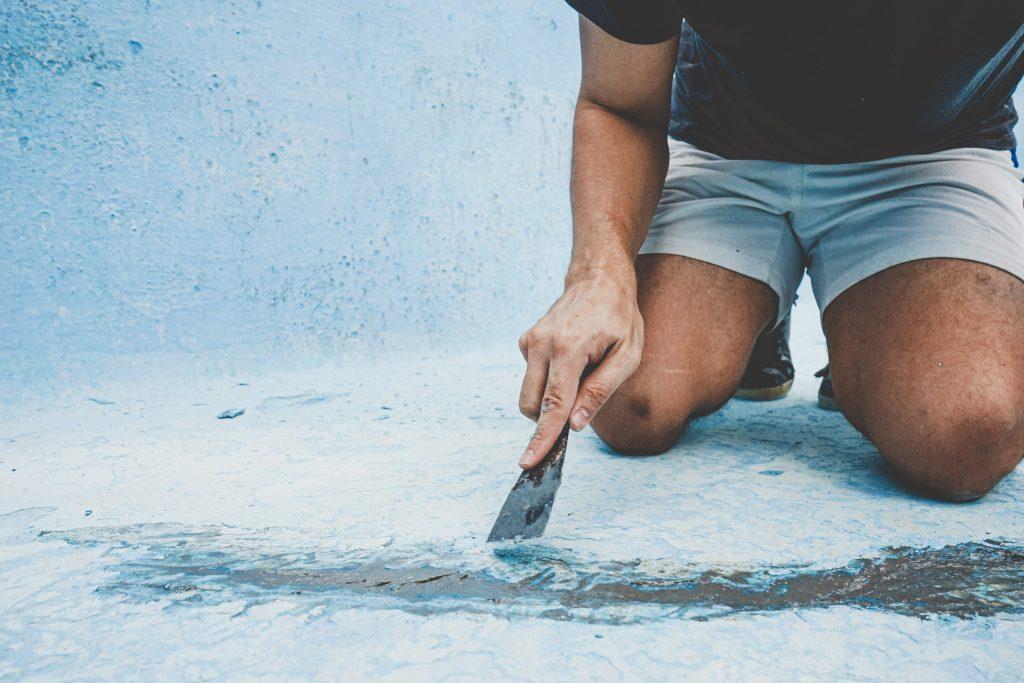
Most people think of resurfacing as a repair. Something is worn, so you fix it. That is true, but it is only half the story. A resurfacing project is also one of the few moments when you get to decide how your pool will look and feel for the years ahead.
Seen that way, the project becomes less about fixing a problem and more about making good choices. This article treats resurfacing as a series of decisions and explains how pool resurfacing solutions can fit different goals and priorities.
Start With the Feel, Not the Fix
Before you think about materials or schedules, think about how you actually use the pool. Do you swim laps, float with a book, or host the whole family on weekends? Describe the surface you wish you had. Maybe it is smoother underfoot, or maybe you want the water to look different than it does now.
Those preferences matter because several details shape what a contractor will recommend. The condition of the current finish, the amount of damage, the size of the pool, and the result you want all play a role. The more clearly you can describe the outcome, the easier it is to get advice that fits.
Separating What Is Worn From What Is Simply Dated
Not every reason to resurface is the same. Some problems are about function: surfaces that feel rough, stains that will not go away, widespread deterioration, or visible cracks. Others are about style: a pool that works fine but looks like it belongs to another decade.
Both are legitimate. It helps to know which one you are dealing with, because worn surfaces tend to set the urgency while dated ones leave more room to plan. Resurfacing can address broad wear and discoloration while keeping the existing pool structure in place, so it suits either situation.
Deciding What Belongs in This Project
Resurfacing focuses on the interior finish. Renovation is wider and can bring in tile, coping, the pool deck, and features such as floating pool benches. The question is how much of that belongs in the same project.
A simple way to decide is to sort your wish list into three groups. First, the things that must be done now, such as damaged or deteriorating areas. Second, the items that sit right next to the interior and would be easier to handle at the same time. Third, the upgrades that can wait for another year. Sorting them gives you something concrete to discuss and keeps the project from growing without a plan.
Talking Through Priorities Locally
If you are researching pool resurfacing in Homestead, FL, treat the first meeting as a conversation about priorities, not just a request for a price. Bring your sorted list and your thoughts on how you use the pool.
A useful contractor will help you see the trade-offs. They should explain what each choice means for the look of the pool, the scope of the work, and the overall investment. If the discussion stays on the existing pool and your goals, you are likely headed in the right direction.
When Cracks Change the Plan
Sometimes the conversation shifts once cracks or unexplained water loss enter the picture. In that case, the first question is what is causing the damage, not what finish to pick.
Some localized cracks may be handled without restoring the entire interior, while others point toward resurfacing or additional restoration. The location, size, cause, and surrounding condition of the damage all play into the answer. Settle that before you spend time on design details.
Thinking About Timing and Disruption
A pool that is being worked on is a pool that is out of use. Ask when that is likely to happen and what could stretch the schedule. Pool size, surface preparation, existing damage, the finish you select, weather, and any added restoration work can all influence the timeline.
Since a specific schedule can only come after the pool has been evaluated, raise the subject early. If you have a date in mind, such as a family gathering, say so and see what is realistic.
Comparing Estimates by Scope, Not Just Total
When you collect more than one estimate, the bottom line is only part of the story. Two figures can describe very different projects. Look at what each one includes: how the old surface will be dealt with, what repairs are covered, which finish is being used, and whether extras like tile, coping, or deck work are part of the plan.
If the numbers differ, ask why. A clear explanation of scope is more valuable than a lower total you cannot fully understand.
What Resurfacing Can and Cannot Do
Resurfacing can renew the look and feel of the interior and give a worn pool a fresh start. It does not replace the pool’s structure, and it does not make unrelated issues disappear. Setting honest expectations at the start keeps the project on track and keeps you satisfied with the result.
Final Thoughts
The best resurfacing projects start with a clear picture of what you want and what the pool needs. Define your priorities, sort your upgrades, and ask for advice rooted in the condition of the pool.
For Homestead homeowners ready to talk it through, Picky Pools Plaster offers pool plastering, resurfacing, crack repair, and renovation, and can help you turn a list of ideas into a workable plan.

 Arabic
 Français
 Español
 Português
 Deutsch
 Türkçe
 Dutch
 Italiano
 Russian
 Romaian
 Portuguese (Brazil)
 Greek