Why Choosing the Right Automotive Maintenance Plan Matters

Owning a vehicle involves more than filling the fuel tank and keeping it clean. Regular maintenance plays an important role in preserving reliability, improving performance and identifying developing mechanical issues. Balfour Auto Service encourages drivers to understand their vehicle's maintenance requirements and arrange inspections before minor concerns become more expensive problems. For motorists seeking BMW service Melbourne drivers can arrange according to manufacturer recommendations, understanding the importance of preventative care is particularly valuable.
Every vehicle has different servicing requirements depending on its age, engine type, kilometres travelled and driving conditions. Following an appropriate maintenance plan helps owners monitor essential components and make informed decisions about repairs.
Understanding Manufacturer Service Schedules
Vehicle manufacturers provide maintenance schedules to help owners understand when particular inspections and replacements are recommended. These schedules may include engine oil changes, filter replacements, fluid checks, spark plug inspections and assessments of important mechanical components.
Service intervals can vary between models, so drivers should consult the owner's manual or manufacturer-approved maintenance information rather than rely on a universal schedule.
Driving conditions also influence maintenance needs. Vehicles regularly used for short trips, stop-start traffic, dusty environments or heavy loads may experience different wear patterns from those mainly driven on highways.
Keeping track of service dates and odometer readings helps drivers plan maintenance in advance. It also provides a useful record of completed work when discussing vehicle condition with a technician.
Protecting Engine Performance
The engine contains numerous moving components that depend on appropriate lubrication and temperature control. Engine oil reduces friction, helps manage heat and carries contaminants away from important surfaces.
Over time, oil deteriorates and accumulates particles. Replacing it according to the recommended schedule helps protect engine components and supports reliable operation. Oil filters also require replacement at the appropriate intervals to maintain effective filtration.
Air filters are another important consideration. A heavily restricted filter can affect airflow, while neglected filters may allow contaminants to interfere with system performance. Inspection helps determine whether cleaning or replacement is required.
Drivers should also monitor coolant levels and watch for signs of overheating. Cooling-system leaks, damaged hoses or malfunctioning components can affect engine temperature and should be investigated promptly.
Maintaining Brakes and Tyres
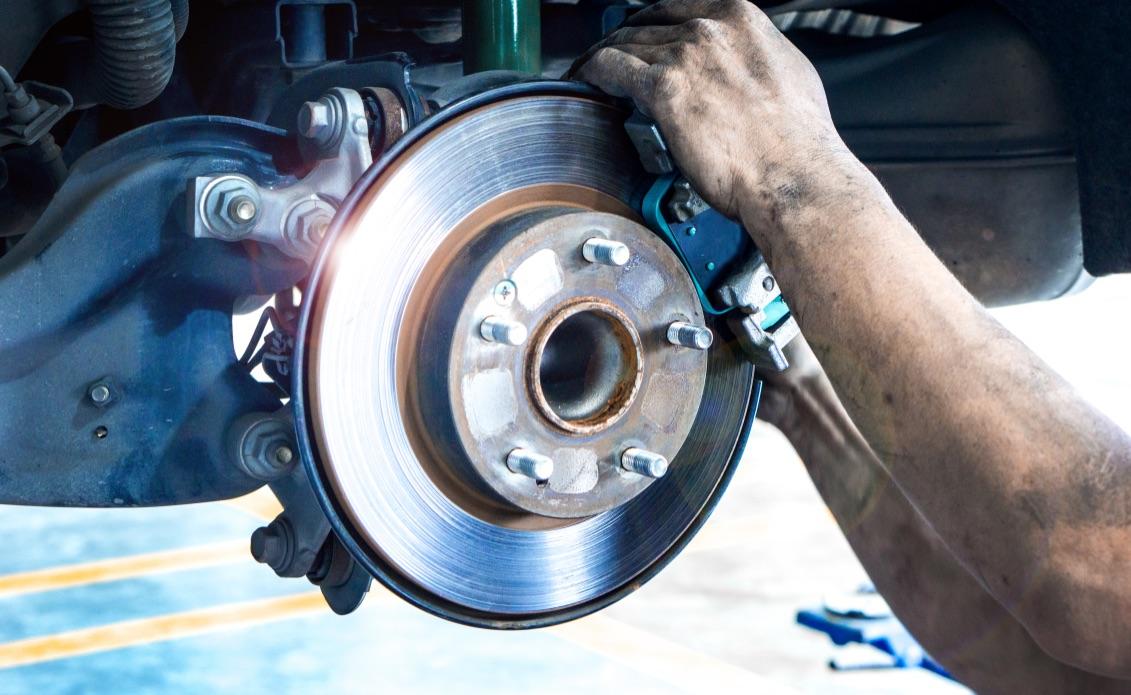
Braking and tyre condition directly influence vehicle safety. Brake pads and discs gradually wear through normal use, while tyres lose tread as the vehicle accumulates kilometres.
Warning signs such as squealing brakes, grinding noises, steering vibration or uneven tyre wear should be assessed rather than ignored. These symptoms may indicate wear or another mechanical issue requiring attention.
Tyre pressures should be checked when the tyres are cold, following the manufacturer's recommendations. Incorrect pressure can affect handling, tyre life and fuel consumption.
Regular inspections can also identify visible damage, deteriorating brake components and other issues before they become more disruptive. Drivers should seek professional assistance if braking performance changes or the vehicle becomes difficult to control.
Why Diagnostic Testing Is Valuable
Modern vehicles rely on electronic systems to monitor engine performance, emissions, safety features and other operating functions. When a fault occurs, diagnostic equipment can help technicians retrieve stored fault codes and investigate potential causes.
However, a diagnostic code does not automatically confirm that a particular component has failed. Additional testing may be needed to check wiring, electrical connections, sensors and related mechanical systems.
A methodical diagnostic process helps avoid unnecessary parts replacement and supports more accurate repair decisions.
When arranging car repairs St Albans, motorists should explain any symptoms they have noticed, including unusual noises, warning lights, starting difficulties or changes in fuel consumption. Information about when the problem occurs can help guide the inspection.
Keeping Accurate Maintenance Records
Maintaining a complete service history is useful for both current ownership and future vehicle sales. Records of servicing, inspections and repairs provide information about work already completed and help identify recurring issues.
Digital records, invoices and service reports can all contribute to a clear maintenance history. Drivers should retain details of replacement parts, fluid changes and any recommendations made during inspections.
These records also make it easier to plan upcoming maintenance. For example, knowing when the battery was replaced or when a particular component was inspected can help determine whether further checks may be appropriate.
Although a service history cannot guarantee that a vehicle will remain fault-free, it provides valuable information about how the vehicle has been maintained.
Adapting Maintenance to Driving Conditions
A vehicle used primarily for short urban trips may experience frequent cold starts and prolonged periods of low-speed driving. Highway driving can involve longer periods of sustained engine operation, while towing or carrying heavy loads places additional demands on selected components.
Maintenance decisions should take these differences into account. Drivers should follow manufacturer guidance and seek professional advice when their usual driving conditions differ significantly from normal use.
Seasonal checks are also useful. Before extended summer travel, it is sensible to inspect the cooling system and tyres. Before winter journeys, drivers should pay attention to battery condition, lights, wipers and windscreen visibility.
Making Vehicle Care a Long-Term Priority
A suitable maintenance plan helps drivers manage ownership responsibilities more effectively. Instead of waiting for a breakdown, they can monitor vehicle condition, schedule inspections and address problems according to their urgency.
Balfour Auto Service encourages motorists to combine scheduled servicing with sensible driving habits and prompt attention to warning signs. For owners of European vehicles, arranging volkswagen service Melbourne motorists need in line with manufacturer specifications can help maintain dependable operation and identify developing concerns. Consistent maintenance supports long-term reliability, helps manage repair expenses and contributes to safer, more confident driving.