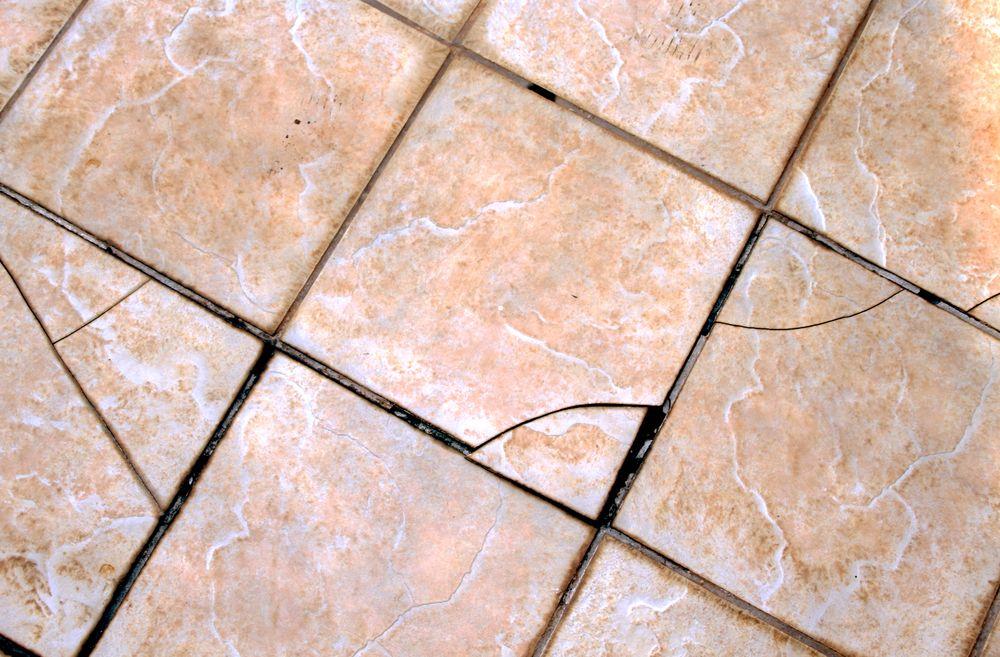
Cracked, Hollow or Dated Tile? How to Decide Between Repair and Replacement

A single cracked tile in the hallway is easy to ignore, until it picks up company. Loose grout, a hollow sound underfoot, or a tile edge that sits higher than its neighbors often points to a change below the surface.
Knowing when to call for tile installation and repair starts with understanding what you are looking at. This guide helps you sort cosmetic flaws from real problems and decide between fixing a few tiles and starting over.
Read the Warning Signs First
Different symptoms point to different causes:
- Hairline cracks: These can come from an impact or from minor movement in the floor below.
- Hollow sound: Tap the tile. A dull, empty sound suggests the bond underneath has weakened.
- Lifting or tenting: Tiles that rise at the joints can point to poor installation, moisture, or a settling house.
- Crumbling or missing grout: Open joints let water reach the layers below the tile.
- Stains or a musty smell: These suggest water is getting somewhere it should not.
A single symptom is rarely the whole story, so note how many tiles are affected and where.
When Repair Makes Sense
Repair is usually reasonable when the damage is limited and the surface beneath is sound:
- A few cracked or chipped tiles: Replacing individual tiles can restore the floor without disturbing the rest.
- Worn grout: Regrouting refreshes the joints and helps keep moisture out when the tiles themselves are firm.
- Isolated damage with a known cause: A dropped pan or a moved appliance explains a crack without suggesting a larger problem.
- Spare tiles on hand: Leftover tiles from the original installation make a close match possible.
When Replacement Is the Better Move
Replacement deserves a serious look when problems keep returning or spread:
- Widespread hollow or loose tiles: This can mean the bond has failed across a large area, so patching one spot may only delay the next failure.
- Water damage underneath: Moisture in the subfloor needs to be dealt with before any tile goes back down.
- Uneven or shifting floors: Tile cannot fix a surface that is not flat, and new tile laid on a poor base may fail again.
- Dated or discontinued tile: If you dislike the look and repairs would never match, a fresh start may feel better than a patchwork.
- Repeated repairs: If the same area keeps failing, the cause is probably underneath.
The Matching Problem
Matching is where many repairs get tricky. Tile color can vary from one production batch to the next, and discontinued patterns may be impossible to find. Even a close match can look different next to tile that has years of wear and cleaning behind it.
Homes in Royal Palm Beach were built in stages over several decades. Some still have original builder-grade flooring, while others have been partly renovated. That is why Royal Palm Beach tile repair often means matching new tile to old and handling transitions between rooms carefully.
When a match is not possible, some homeowners choose a deliberate accent, such as a border or a different tile in a defined area, rather than a repair that tries and misses.
What You Can Do While You Decide
While you wait for an assessment, a few simple steps limit further damage. Keep the area dry, wipe up standing water promptly, and avoid heavy furniture or dragging items across loose tiles. Photograph the damage and note when you first saw it, since a clear history helps any contractor understand how the problem developed. Skip fillers or sealants on cracks that are still moving, because they can hide the cause.
What Repair and Replacement Can Cost
Cost often tips the decision, so here is a benchmark. These are national figures, not a quote and not a price for Royal Palm Beach.
Angi, in its tile repair cost guide, lists cracked or broken tile repairs at $130 to $500 and floor tile repairs overall at $50 to $700, depending on the damage. Labor is listed at $7 to $30 per square foot, and many companies charge a minimum fee of $100 to $300, even for a single crack.
Water damage is where costs can jump. The guide lists water damage repair at $1,500 to $2,000, which is one reason to address leaks before replacing any tile.
Factors that move the total:
- Extent: More tiles mean more labor and more material.
- Tile type: Natural stone costs more to repair than ceramic or porcelain.
- Location: Showers and other wet areas cost more to repair than dry floors.
- Hidden problems: Subfloor or moisture issues add work before any tile is set.
How to Get an Accurate Estimate
An accurate estimate starts with an honest inspection. Ask for one that covers:
- Cause: What is behind the cracking or lifting, and how can you tell?
- Options: What would repair involve, what would replacement involve, and how do they compare?
- Matching: How will new tile or grout be matched to the existing floor?
- Scope and extras: What is included, and how are extra repairs approved before work continues?
- Removal and cleanup: Who removes broken tile and debris?
Get the estimate in writing. If the work involves plumbing, such as a shower valve or drain, or any electrical work, confirm licensing and ask who handles permits, since requirements can vary by city and scope.
Final Thoughts
The choice between repair and replacement comes down to cause, extent, and matching. Repair suits limited, well-understood damage on a sound surface. Replacement makes sense when the problem is widespread, recurring, or rooted in moisture or an uneven floor. Whichever route you take, deal with the cause first so the new work lasts.
If you would like a professional opinion on a cracked, dated, or uneven floor, the Blue Tile Specialty professionals offer free estimates for homeowners across Palm Beach County.