12 Yard Garbage Bin: Dimensions, Capacity, Rental Costs, and Best Uses
A 12 yard garbage bin is a practical waste disposal solution for homeowners, contractors, businesses, and property managers who need a convenient container for medium-sized cleanup projects. It offers more capacity than many small residential containers while remaining compact enough for properties with limited space.
Whether a project involves garage cleaning, home renovations, roofing work, landscaping, or construction debris removal, a 12-yard garbage bin can provide an efficient way to collect and manage unwanted materials.
Understanding its dimensions, capacity, weight restrictions, and rental costs helps customers choose the right container for their specific requirements.
What Is a 12 Yard Garbage Bin?
A 12 yard garbage bin is a waste container designed to hold approximately 12 cubic yards of material, equivalent to 324 cubic feet.
It is commonly available as a roll-off dumpster that can be delivered to a residential or commercial property and collected after the rental period.
This container size is suitable for projects that generate more waste than ordinary household garbage collection can accommodate but do not require a very large commercial dumpster.
How Much Waste Can a 12 Yard Garbage Bin Hold?
A 12-yard container provides 324 cubic feet of storage capacity.
Its approximate capacity can be understood through the following examples:
-
Several rooms of household clutter.
-
A medium-sized garage cleanout.
-
Furniture and household disposal.
-
Minor renovation debris.
-
Landscaping waste.
-
Selected roofing and construction materials.
The actual amount of waste depends on its shape, density, and loading arrangement.
A 12-yard garbage bin is designed for moderate waste volumes, making it a useful option for residential and smaller commercial projects.
12 Yard Garbage Bin Dimensions
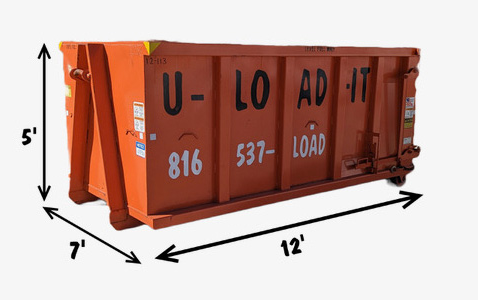
The dimensions of a 12 yard garbage bin vary depending on the manufacturer and rental provider. Most containers are designed to provide substantial storage capacity without occupying as much space as larger roll-off dumpsters.
Typical Dimensions
A common 12-yard dumpster configuration measures approximately:
|
Measurement |
Typical Dimension |
|---|---|
|
Length |
12–14 feet |
|
Width |
7–8 feet |
|
Height |
3.5–4 feet |
|
Total capacity |
12 cubic yards |
|
Cubic feet |
324 cubic feet |
These measurements are approximate. Actual dimensions should be confirmed with the rental provider before arranging delivery.
Why Are Dimensions Important?
Understanding dumpster dimensions helps customers determine whether a container will fit within their available property space.
Before renting, customers should consider:
-
Available driveway or placement area.
-
Delivery truck access.
-
Garage and entrance clearance.
-
Nearby vehicles and structures.
-
Space required for loading.
-
Local placement restrictions.
Measuring the intended placement area before delivery helps prevent access problems and unnecessary scheduling delays.
Best Uses for a 12 Yard Garbage Bin
A 12-yard garbage bin can accommodate several types of residential and commercial cleanup projects.
1. Garage and Basement Cleanouts
Garages and basements often accumulate unwanted belongings over time.
A 12-yard container can provide sufficient space for many cleanup projects involving:
-
Old furniture.
-
Cardboard boxes.
-
Household clutter.
-
Broken shelving.
-
General non-hazardous garbage.
-
Unwanted household materials.
It provides a convenient collection point for disposing of accumulated waste without making repeated trips to disposal facilities.
2. Home Renovation Projects
Small and medium-sized home improvement projects can generate considerable amounts of debris.
A 12-yard garbage bin may be suitable for:
-
Bathroom remodeling.
-
Flooring replacement.
-
Kitchen renovation debris.
-
Cabinet removal.
-
Minor interior demolition.
-
Drywall and wood disposal.
The suitability depends on the amount and weight of the discarded materials.
3. Roofing Projects
Roof replacement projects produce shingles, underlayment, and other roofing debris.
A 12-yard dumpster may accommodate certain residential roofing jobs, depending on roof dimensions, material thickness, and weight restrictions.
Roofing debris can become extremely heavy, so customers should verify the container's weight allowance before renting.
4. Landscaping and Yard Cleanup
A 12-yard garbage bin can also support outdoor property maintenance projects.
Common materials include:
-
Tree branches.
-
Leaves.
-
Grass clippings.
-
Shrubs.
-
Garden debris.
-
Certain landscaping materials.
Customers should confirm whether the rental company accepts organic waste and whether separate yard waste disposal arrangements are required.
5. Small Commercial Cleanup Projects
Businesses can use a 12-yard garbage bin for temporary cleanup and waste collection.
Typical applications include:
-
Small office renovations.
-
Retail property cleanouts.
-
Storage room cleanup.
-
Packaging disposal.
-
Minor commercial remodeling.
It offers a practical option for businesses that need temporary waste storage without renting a larger container.
How Much Does a 12 Yard Garbage Bin Rental Cost?
The rental cost of a 12 yard garbage bin depends on several factors, including location, rental duration, delivery distance, disposal weight, and the type of waste being collected.
Rental providers may offer flat-rate packages or customized estimates based on project requirements.
Factors That Affect Rental Pricing
|
Pricing Factor |
How It Affects Cost |
|---|---|
|
Rental duration |
Longer rentals may involve additional charges |
|
Waste volume |
Excess waste may require another container |
|
Disposal weight |
Heavy materials can increase fees |
|
Location |
Delivery distance can affect pricing |
|
Material type |
Special disposal requirements may cost more |
|
Additional services |
Exchanges and extra pickups may increase expenses |
How to Avoid Additional Rental Charges
Customers can control disposal expenses by following a few practical steps.
-
Select an appropriate container size.
-
Estimate the waste quantity before ordering.
-
Avoid exceeding the included weight allowance.
-
Keep prohibited materials out of the dumpster.
-
Complete loading within the agreed rental period.
-
Confirm delivery and collection arrangements.
Comparing the complete rental package is more useful than choosing a provider based only on its advertised starting price.
What Can and Cannot Go Into a 12 Yard Garbage Bin?
Understanding accepted and prohibited materials helps customers avoid additional disposal fees and collection complications.
Commonly Accepted Materials
Depending on the provider, approved materials may include:
-
Household furniture.
-
Wood and lumber.
-
Drywall.
-
Cardboard and packaging.
-
Flooring materials.
-
Roofing shingles.
-
General household junk.
-
Non-hazardous renovation debris.
Prohibited or Restricted Materials
Certain materials require specialized handling and should not be placed inside an ordinary garbage bin.
Examples include:
-
Paints and solvents.
-
Hazardous chemicals.
-
Batteries.
-
Medical waste.
-
Asbestos-containing materials.
-
Flammable liquids.
-
Certain electronic equipment.
-
Tires and refrigerant-containing appliances.
Rental companies have different acceptance policies. Customers should confirm material restrictions before loading the container.
12 Yard Garbage Bin vs. Other Dumpster Sizes
Choosing between different dumpster sizes depends on project requirements, available space, and expected waste volume.
Comparing Dumpster Capacities
|
Dumpster Size |
Capacity |
Suitable Applications |
|---|---|---|
|
10 yard |
270 cubic feet |
Small cleanouts |
|
12 yard |
324 cubic feet |
Medium cleanouts and minor renovations |
|
15 yard |
405 cubic feet |
Larger household projects |
|
20 yard |
540 cubic feet |
Renovations and construction |
|
30 yard |
810 cubic feet |
Large construction projects |
Why Choose a 12 Yard Garbage Bin?
A 12-yard container offers a balance between storage capacity and placement requirements.
It may be preferable when:
-
A 10-yard dumpster is too small.
-
A 20-yard container would provide unnecessary capacity.
-
Available driveway space is limited.
-
A project involves moderate quantities of debris.
-
Temporary waste storage is needed.
Selecting the smallest suitable container can help customers avoid paying for unused dumpster capacity.
How to Choose a Reliable 12 Yard Garbage Bin Rental Provider
Selecting an appropriate rental company involves evaluating container quality, delivery arrangements, pricing transparency, and disposal policies.
Check Container Availability
Customers should confirm that a 12-yard container is available for their preferred delivery date.
Some providers may offer different container dimensions or substitute sizes depending on local inventory.
Review Weight Restrictions
Weight allowances are especially important for construction, roofing, concrete, and other heavy materials.
Customers should understand the included weight allowance and potential overage charges before signing a rental agreement.
Understand Rental Terms
Before arranging delivery, customers should review:
-
Included rental duration.
-
Delivery and pickup arrangements.
-
Weight restrictions.
-
Prohibited materials.
-
Additional rental charges.
-
Container placement requirements.
Consider Delivery and Pickup Reliability
Reliable delivery and pickup help prevent unnecessary interruptions to cleanup and construction schedules.
Customers should confirm that the provider can accommodate the property's access conditions and project timeline.
Frequently Asked Questions About 12 Yard Garbage Bins
How many cubic feet are in a 12 yard garbage bin?
A 12-yard garbage bin contains approximately 324 cubic feet of storage capacity.
How many garbage bags fit in a 12 yard dumpster?
The number depends on garbage bag size and how efficiently the container is loaded. Smaller bags allow more individual units, while oversized bags occupy more space.
Is a 12 yard garbage bin suitable for home renovations?
Yes. It can accommodate many small and medium-sized renovation projects, including bathroom remodeling, flooring removal, and minor interior demolition.
How heavy can a 12 yard garbage bin be?
The maximum allowable weight depends on the rental provider and disposal agreement. Customers should confirm the included weight allowance, particularly when disposing of heavy construction materials.
Is a 12 yard dumpster suitable for roofing?
It can be suitable for certain residential roofing projects. However, roofing materials can be heavy, so roof size, shingle quantity, and weight restrictions must be considered.
How long can a 12 yard garbage bin be rented?
Rental periods vary by provider. Some companies offer short-term rentals, while others provide longer arrangements for construction and renovation projects.
What is the difference between a 12 yard and 20 yard dumpster?
A 12-yard dumpster holds 324 cubic feet, while a 20-yard dumpster holds 540 cubic feet. The larger container provides 75% more volume and is generally better suited to bigger projects.
Conclusion
A 12 yard garbage bin provides a practical waste disposal solution for homeowners, contractors, and businesses handling moderate quantities of unwanted materials.
Its 324 cubic feet of capacity makes it suitable for garage cleanouts, minor renovations, roofing debris, landscaping projects, and selected commercial cleanup activities.
Before renting, customers should compare dimensions, weight allowances, accepted materials, rental periods, and total pricing.
Choosing the right 12 yard garbage bin helps simplify waste collection, control disposal expenses, and keep residential and commercial cleanup projects organized.