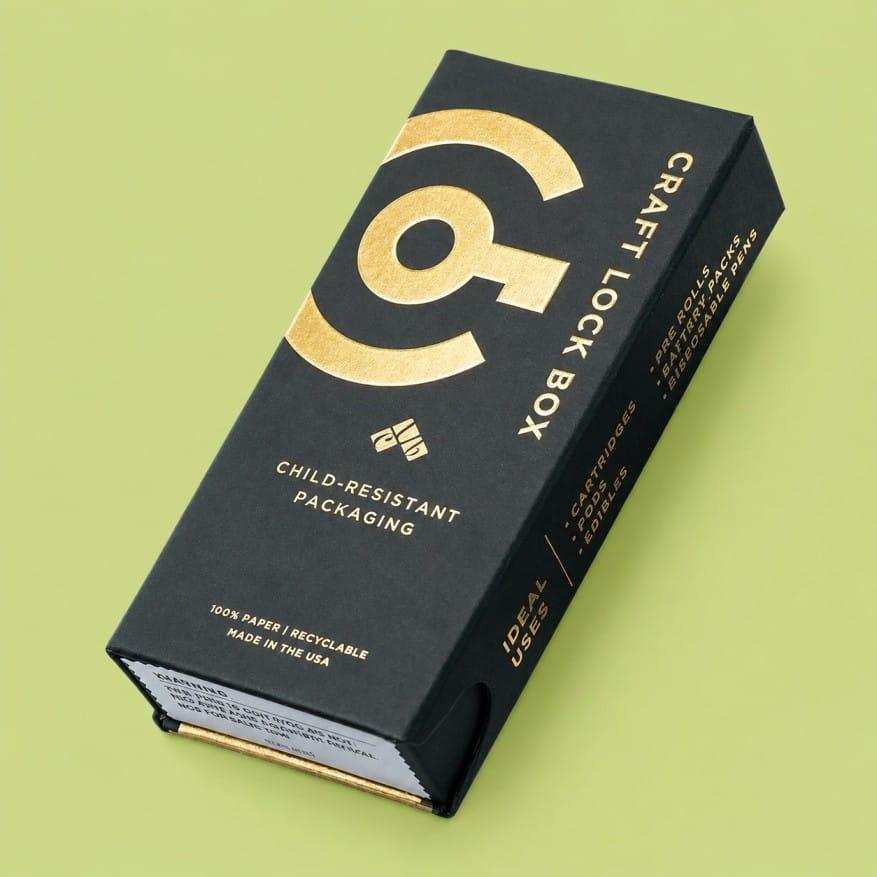
Custom Child Resistant Boxes: What to Know Before You Place an Order

Anyone who has had a toddler in the house knows how quickly they find things. The cupboard you thought was out of reach? Open. The “secure” lid? Already off. That’s exactly why child resistant packaging exists, and it’s why so many brands are switching to custom child resistant boxes for products that need an extra layer of safety.
If you’re thinking about making the switch, here’s a straightforward guide to what matters and what doesn’t.
So, What Does “Child Resistant” Actually Mean?
It doesn’t mean a child can never open the box. It means the box is difficult enough that a small child usually won’t manage it, while an adult can still get in without much fuss. Picture a lid you have to press and slide at the same time, or a tab you have to lift before the box will budge. Easy for a grown-up, baffling for a four-year-old.
In the US, packaging sold as child resistant normally has to pass testing under CPSC rules. Requirements vary between countries and product types, so check what applies to you before anything goes to print.
Which Products Need It?
Anything that could hurt a child if swallowed or mishandled. That includes cannabis and CBD items like edibles, pre-rolls, and cartridges, plus medications and supplements, tobacco and nicotine products, and certain household chemicals. Some cosmetics carry safety warnings too. If your product sits in one of these groups, child resistant packaging is often a legal requirement, so it’s worth confirming early.
The Styles You’ll Come Across
There’s a fair bit of variety, and the right pick depends on your product.
Push-and-slide boxes use a sleeve and tray that need pressure in two directions at once. They’re popular for pre-rolls and flat, lightweight items. Locking-tab boxes keep the lid shut until the user squeezes or lifts a tab, which suits cartridges and small bottles. Sleeve-and-tray designs add a second layer of protection and leave plenty of room for branding. Magnetic closures feel premium, but a magnet on its own usually doesn’t meet child resistance standards, so ask before you fall for one.
Material Matters More Than You’d Think
A locking mechanism only works if the box holds its shape. Thin, flimsy board warps, and once that happens the lock stops doing its job. Sturdy paperboard works well for lighter products, while rigid or corrugated stock is better for anything heavy or fragile. Kraft gives you a natural, earthy look, and white board takes detailed printing nicely.
Looking Good and Staying Safe
Plenty of people assume safe packaging has to look plain. It doesn’t. You can still use full-color printing, foil, embossing, or spot UV. The only thing to watch is that your design leaves the closure area alone. A good manufacturer will tell you where artwork can go and where it can’t.
Then there’s the legal text: warning symbols, ingredients, dosage details, batch numbers, “keep out of reach of children” lines. Plan space for all of it from the start. Squeezing it in at the last minute never looks good and can cause compliance headaches.
What to Ask Before You Order
Ask whether the structure has been tested and what paperwork you’ll receive. Request a physical sample, and don’t only test it yourself. Hand it to a few people who’ve never seen it and watch how they cope. Find out the minimum order quantity, especially if you’re a smaller brand, and ask about turnaround so your launch date doesn’t slip. Finally, make sure the box is sized properly for your product, because a loose fit means rattling and damage in transit.
Don’t Forget the Adults
A box that’s too tough to open frustrates your own customers. Older buyers or people with weaker hands may struggle with a stiff design, and they’ll remember it. The best boxes do both jobs well: kids can’t get in, adults can, usually on the first or second try. If the closure works again and again, even better, since most people keep the box around.
Choosing the Right Partner
Your supplier matters as much as your design. Look for a team that can explain the options clearly, offers custom sizing, and is honest about timelines and minimums. A company like Eagle Packaging can help you pick the right structure and materials, which makes the process a lot smoother, especially if it’s your first time ordering this kind of packaging.
Wrapping Up
Child resistant packaging protects families, and it protects your brand too. Choose a structure that suits your product, test it properly, and give your branding and legal details room to breathe. Do that, and your box will work as hard as the product inside it.