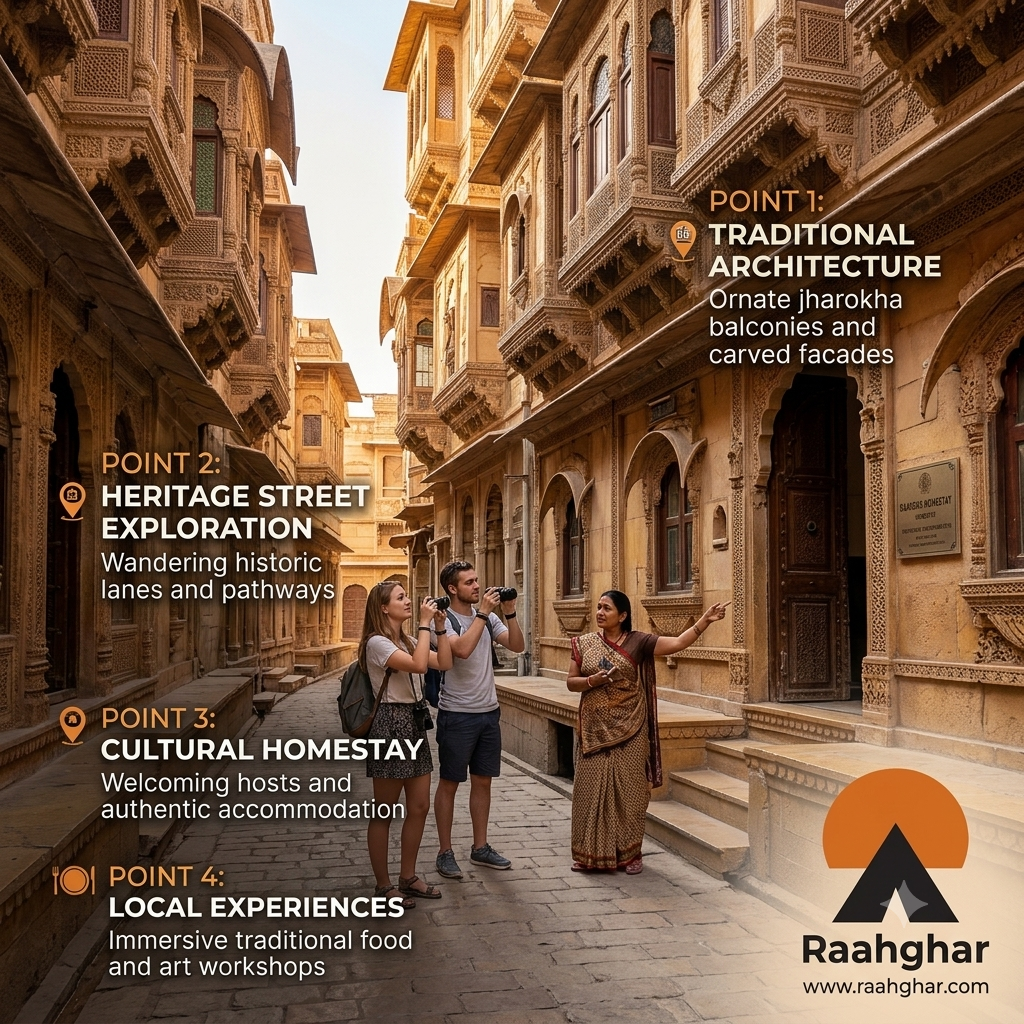
Is a homestays of india suitable for travellers interested in heritage photography?

INTRODUCTION
India offers an extraordinary range of historical architecture, traditional neighbourhoods, ancient monuments and cultural landscapes. For photographers, every destination presents an opportunity to capture stories through old buildings, intricate carvings, colourful streets and everyday traditions. Choosing the right accommodation can make these experiences even more meaningful. Homestays of india can be a suitable choice for travellers interested in heritage photography because they may offer opportunities to experience local surroundings, understand regional culture and explore historical destinations at a comfortable pace. From traditional houses to peaceful stays near heritage attractions, the right homestay can become a convenient base for a photography-focused journey.
Heritage photography is not limited to photographing famous monuments. It also involves observing architectural details, documenting traditional lifestyles and understanding how history continues to influence modern communities. A thoughtfully selected homestay can help travellers connect with these elements while exploring India's diverse cultural identity.
Why Are Homestays Suitable for Heritage Photography?
Homestays can provide a more locally connected experience than accommodation focused only on sightseeing. Depending on the property, travellers may find themselves in traditional neighbourhoods, historic towns or rural surroundings where local architecture and everyday activities offer interesting photography opportunities.
Photographers often need time to observe a location before capturing meaningful images. Staying near the places they want to explore can make it easier to visit during different lighting conditions, return for another photograph or discover less familiar streets.
A homestay may also offer opportunities to interact with local hosts and learn about the history of the area. Conversations about traditional buildings, festivals, crafts and community practices can help photographers understand the stories behind the scenes they capture.
However, not every homestay is located inside a heritage neighbourhood. Travellers should check the property's surroundings and distance from the attractions they want to photograph before making a booking.
Exploring India's Architectural Heritage Through Photography
India's architectural heritage provides a wide variety of subjects for photography. Historic forts, palaces, temples, stepwells, old homes and colonial-era buildings reflect different periods and regional influences.
Places such as Jaipur, Agra, Ahmedabad, Hampi and Varanasi offer distinctive architectural settings. Travellers can photograph carved doorways, traditional windows, courtyards, stone structures, painted facades and historic streets. Each location has its own visual character, making it possible to explore different architectural styles during separate journeys.
The Ministry of Culture recognises numerous protected monuments and heritage attractions across the country, including Ajanta and Ellora Caves, Agra Fort, the Sun Temple at Konark and Hampi. These destinations offer photographers opportunities to study historical design, craftsmanship and the relationship between architecture and its surroundings.
A homestay near a selected heritage area can help travellers organise their photography sessions without spending too much time travelling between accommodation and attractions. It is useful to check accessibility, local transport and visiting restrictions in advance.
Homestays of India for Experiencing Traditional Local Architecture
One of the interesting aspects of choosing homestays of india is the opportunity to experience different regional styles of residential architecture. Traditional homes vary considerably across the country, reflecting local materials, climate, craftsmanship and cultural practices.
In Rajasthan, travellers may come across homes featuring courtyards, decorative entrances and colourful architectural details. In Gujarat, traditional wooden houses and intricately designed facades can provide interesting subjects. In Kerala, sloping roofs, timber elements and open verandas reflect a different architectural character.
In the Himalayan regions, stone-and-wood structures and traditional village houses offer another perspective. These buildings often blend with the surrounding landscape and provide photographers with opportunities to capture the relationship between architecture and nature.
When selecting a homestay, travellers can look for properties that retain elements of regional design. They should also respect the privacy of hosts and residents when photographing private spaces. Always ask for permission before taking pictures inside a home or of people.
Homestays in India for Discovering Historic Neighbourhoods
Historic neighbourhoods are valuable photography locations because they reveal how communities preserve their cultural identity through everyday life. Narrow lanes, traditional markets, old houses, religious structures and local gathering spaces can all become meaningful photographic subjects.
Homestays in India can be useful for travellers who want to spend more time exploring these neighbourhoods rather than limiting their visits to major tourist attractions. Staying in or near an older part of a city may allow photographers to explore the area early in the morning, when the streets are quieter and natural light creates interesting shadows.
Varanasi, for example, is known for its historic ghats, temples and traditional streets. Ahmedabad offers old-city architecture and distinctive pol houses. Jaipur features colourful streets, traditional markets and historic buildings. Each destination provides a different perspective on India's living heritage.
Before choosing accommodation, travellers should understand the character of the neighbourhood. Some historic areas have narrow roads, restricted vehicle access or busy pedestrian routes. Checking these details can help photographers plan their equipment, walking routes and daily schedule.
Capturing Traditional Crafts, Markets and Local Life
Heritage photography becomes more engaging when it includes the people, skills and traditions that give a destination its character. Local markets, craft workshops, traditional occupations and community celebrations can reveal aspects of regional culture that may not be visible through monument photography alone.
A homestay can sometimes help travellers learn about nearby craft areas, local markets or cultural activities through conversations with the host. Depending on the destination, photographers may discover pottery-making, textile weaving, embroidery, woodwork, metal crafts and other traditional practices.
Markets are particularly interesting because they bring together architecture, colours, products and everyday interactions. Photographers can document shopfronts, handmade objects and street scenes while being mindful of the people who work there.
Respectful photography is essential. Ask permission before photographing artisans, vendors or residents, especially when taking close-up portraits or documenting private activities. Some religious and cultural spaces also have restrictions on photography, so visitors should follow local instructions.
Choosing a Homestay Near Heritage Attractions
Location is an important consideration for anyone planning a photography-focused trip. A property close to historical attractions can make it easier to visit early in the morning, return during different lighting conditions and explore nearby streets on foot.
Before selecting a homestay, consider the following points:
- Distance from heritage sites: Check how far the property is from the monuments, museums and neighbourhoods on your photography itinerary.
- Local transport: Understand the availability of public transport, walking routes and other ways to reach different attractions.
- Surrounding environment: Look for information about the neighbourhood, nearby streets and architectural character.
- Photography requirements: Confirm whether the property has suitable spaces for safely organising and storing camera equipment.
- Host guidance: Ask whether the host can share information about local history, cultural activities or lesser-known places.
- Property rules: Understand photography policies, visitor restrictions and privacy expectations before your stay.
These details can help travellers choose accommodation that supports their interests and makes their journey more organised.
Planning Photography Sessions Around Natural Light
Lighting plays an important role in heritage photography. The same building can look very different depending on the time of day, weather and direction of sunlight.
Early mornings are often suitable for photographing historic streets, temples and monuments before larger crowds arrive. Soft morning light can bring out architectural textures and create gentle shadows. Late afternoons can also provide attractive lighting for facades, courtyards and outdoor structures.
Travellers staying near their chosen attractions may find it easier to plan multiple visits. Instead of trying to photograph everything during one short visit, they can return to a location when the light and surroundings are more suitable.
It is also helpful to check the photography rules of individual monuments. Certain sites may restrict tripods, flash photography or professional equipment. Planning ahead prevents unnecessary difficulties and helps visitors respect heritage conservation requirements.
How Raahghar Can Help Travellers Explore Homestay Experiences
For travellers interested in discovering local destinations through meaningful stays, Raahghar offers a starting point for exploring homestay experiences across different regions of India. When planning a heritage photography journey, travellers can consider the destination, surroundings and character of a property before deciding where to stay.
A suitable homestay can make it easier to explore local neighbourhoods, understand regional traditions and spend time observing the details that make each place distinctive. Travellers should review the available property information and confirm important details directly with the host.
Whether the interest lies in traditional architecture, historic streets, cultural activities or rural heritage, planning accommodation around the photography itinerary can contribute to a more rewarding travel experience.
Tips for a Responsible Heritage Photography Trip
Heritage photography requires more than a camera and an interesting location. It also involves respecting historical structures, local customs and the people who live in the places being photographed.
Keep these suggestions in mind:
- Respect restricted areas: Follow photography rules at monuments, temples, museums and other protected locations.
- Ask before photographing people: Seek permission before taking portraits or documenting personal activities.
- Avoid touching old structures: Delicate carvings, paintings and architectural surfaces should be protected from unnecessary contact.
- Travel with suitable equipment: Carry the camera, lenses, batteries and accessories required for your planned locations.
- Learn about local history: Understanding the background of a building or tradition can make your photographs more meaningful.
- Explore beyond famous landmarks: Local streets, traditional homes and craft communities can offer valuable photographic subjects.
- Be considerate of residents: Avoid blocking entrances, disturbing daily routines or photographing private property without permission.
Responsible practices help preserve the character of heritage destinations for future visitors and local communities.
Conclusion
Homestays can be a suitable accommodation choice for travellers interested in heritage photography, particularly when the property is located near historical attractions, traditional neighbourhoods or culturally significant surroundings. They can provide opportunities to experience regional architecture, discover local traditions and explore destinations at a comfortable pace.
From the historic streets of Ahmedabad and Jaipur to the architectural landmarks of Agra and Hampi, India offers a wide range of subjects for photography enthusiasts. Choosing accommodation thoughtfully can make it easier to explore these places and understand their cultural significance.
With Raahghar, travellers can explore homestay experiences while planning journeys around their interests. By selecting a suitable location, respecting local communities and preparing a thoughtful photography itinerary, visitors can create memorable images while appreciating India's diverse heritage.
Frequently Asked Questions
1. Are homestays of india suitable for heritage photography enthusiasts?
Yes. Homestays can be suitable for heritage photography enthusiasts, especially when they are located near historic neighbourhoods, traditional villages or important cultural attractions.
2. Which Indian destinations are suitable for heritage photography?
Jaipur, Agra, Varanasi, Ahmedabad, Hampi, Orchha and Khajuraho are among the destinations that offer interesting historical architecture and cultural settings.
3. Can I photograph traditional architecture while staying at a homestay?
Yes. Travellers can photograph publicly accessible streets and buildings while following local rules. Permission should be obtained before photographing private homes or indoor spaces.
4. Are Homestays in India located near historical monuments?
Some homestays are situated near heritage attractions, while others are located in residential or rural areas. Check the property's location before booking.
5. What should photographers check before choosing a homestay?
They should check its location, accessibility, surroundings, property rules and whether suitable arrangements are available for safely storing photography equipment.