LED Indicator Lamp Maintenance: Practical Tips for Reliable Industrial Panel Indication

Electrical control panels are used in factories, workshops, power distribution systems, and automated production facilities. They help operators manage equipment and monitor important electrical conditions. Although most attention is often given to major components such as circuit breakers, contactors, and controllers, small indication devices also play an important role in daily panel operation.
An LED Indicator Lamp provides visual information about selected electrical or equipment conditions. It may show whether a control supply is available, a motor is running, or a connected circuit has activated a warning signal.
Like other electrical components, indicator lamps should be inspected periodically to ensure that they continue to display the intended information. Proper selection, installation, and maintenance help keep panel indications clear and dependable.
Why Indicator Lamp Maintenance Matters
Operators often depend on panel indicators to understand equipment status without opening the electrical enclosure. If an indicator stops working, displays an unclear signal, or remains illuminated incorrectly, it may create confusion during operation.
For example, if a motor-running indicator does not illuminate even though the motor is operating, an operator may misunderstand the displayed condition. Similarly, an indicator that remains ON because of a faulty control circuit may provide misleading information.
Regular inspection helps identify these issues before they affect routine monitoring.
Common Problems with LED Indicator Lamps
An LED indicator is generally a low-maintenance component, but different problems can affect its operation.
1. Indicator Does Not Illuminate
A lamp that remains OFF may have several possible causes. The supply may be unavailable, a fuse may have operated, a connection may be loose, or the control output may not be active.
The indicator itself may also be damaged. Checking the complete circuit is more useful than assuming that the lamp is the only possible cause.
2. Intermittent Illumination
An indicator that switches ON and OFF unexpectedly may be affected by loose terminals, unstable supply conditions, or an intermittent control signal.
The wiring and connected control components should be inspected by qualified personnel.
3. Dim or Unclear Indication
Dust, dirt, lens damage, or an unsuitable viewing position can reduce visibility. In some cases, the selected lamp may not provide sufficient visibility for the surrounding environment.
Cleaning and checking the installation position can help identify the reason.
4. Incorrect Status Display
Sometimes the lamp illuminates correctly, but the information it displays does not match the actual equipment condition. This may happen because of incorrect wiring, an unsuitable relay contact, or a problem in the control logic.
Such issues require examination of the circuit design and connected equipment.
A Practical Inspection Routine
A planned inspection routine can help maintenance teams identify common indication problems.
Check the illumination: Confirm that each lamp operates when its corresponding control condition is activated.
Inspect the lens: Look for cracks, dirt, discoloration, or physical damage that may affect visibility.
Check the mounting: Ensure that the indicator is properly secured in the panel opening.
Review the wiring: Inspect terminals and connections for looseness, damage, or signs of overheating.
Verify the indication function: Compare the displayed status with the intended control signal and panel documentation.
Check identification labels: Ensure that legends and labels still correspond to the actual circuit functions.
Electrical inspection should be performed under appropriate safety procedures by qualified personnel. Never touch or remove a panel component while the circuit is energized unless the work is specifically authorized and suitable safety controls are in place.
When Should an LED Indicator Lamp Be Replaced?
Replacement may be necessary when an indicator is physically damaged, no longer illuminates correctly, or cannot provide clear visibility after the relevant circuit problems have been ruled out.
Before ordering a replacement, identify the original product's specifications.
Match the Operating Voltage
The replacement must match the electrical requirements of the connected circuit. Check whether the application uses AC, DC, or a compatible AC/DC supply.
Confirm the Mounting Size
Panel cut-out dimensions are important. A replacement should fit the existing opening or be selected as part of a planned panel modification.
Select the Correct Colour
The new lamp should follow the established colour convention for the panel. Changing colours without updating the documentation can cause confusion.
Check the Lighting Function
Some applications need steady illumination, while others use flashing or combined indication. Select the correct function for the intended circuit.
Review Physical Compatibility
Check the body style, mounting arrangement, terminal configuration, and available installation space before purchasing.
Importance of Correct Indicator Placement
A suitable LED Indicator Lamp should be installed where operators can easily see it during normal work.
For example, a motor-running indicator should be located close to the relevant motor control section. A supply indication should be positioned where it can be recognized without confusion with other circuit signals.
When several lamps are installed together, clear labels and a consistent arrangement help operators identify each function.
The panel design should also consider surrounding light levels, viewing distance, and possible obstructions.
Applications Across Different Industrial Sectors
Indicator lamps are used in many types of electrical and industrial installations.
Manufacturing Facilities
Production machines use panel indicators to communicate selected running, stopped, and warning conditions.
Electrical Distribution Systems
Distribution panels may use visual indication for selected supply and circuit-status information.
Switchgear Installations
Switchgear panels can incorporate indicator lamps to display defined equipment and control conditions.
Industrial Automation
PLC-based panels may use indicator lamps connected to compatible output circuits to display selected machine states.
Maintenance Workshops
Maintenance equipment and test panels may use indicators to show whether a specified circuit or function is active.
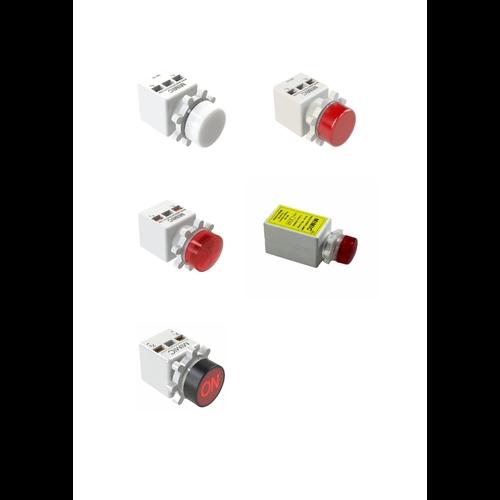
Explore the LED Indicator Lamp Range from Mimic Products
Mimic Products offers LED indicating lamps for electrical control panels, switchgear, and industrial applications.
The available range includes different colours, body styles, mounting sizes, and electrical configurations. Selected models also provide steady and flashing indication functions, allowing users to compare products according to their panel requirements.
Before choosing a model, review its operating voltage, mounting cut-out, lighting function, and other technical specifications.
Explore the LED Indicator Lamp to find suitable options for your electrical indication requirements.
How to Improve the Life of Panel Indicators
Although indicator lamps do not usually require complex maintenance, a few good practices can help maintain their condition.
-
Avoid selecting a product with an incorrect voltage rating.
-
Follow the manufacturer's installation instructions.
-
Keep the indicator lens clean and unobstructed.
-
Use suitable wiring and properly secured terminals.
-
Avoid unnecessary mechanical stress during installation.
-
Inspect lamps during scheduled panel maintenance.
-
Replace damaged indicators with compatible products.
These practices support clear visual indication and help reduce avoidable maintenance problems.
Conclusion
Electrical panel indicators provide important information to operators and maintenance teams. When an indication device stops working or displays unclear information, it can make routine equipment monitoring more difficult.
An LED Indicator Lamp should therefore be selected carefully and included in regular panel inspection activities. Checking voltage, colour, mounting dimensions, wiring, and lighting function helps ensure that the selected product matches the intended application.
Mimic Products offers a range of LED indicating lamps for industrial and electrical panel requirements. Reviewing the available models and their specifications can help users choose an appropriate solution for new installations, replacement work, and panel upgrades.
Frequently Asked Questions
1. How often should an LED Indicator Lamp be inspected?
Inspection frequency depends on the equipment, operating environment, and maintenance schedule. It is useful to include indicator checks in routine panel inspections.
2. Why does an LED indicator sometimes fail to illuminate?
Possible causes include an unavailable supply, loose wiring, a faulty control output, an operated fuse, or a damaged lamp.
3. Can I replace an indicator lamp with a different voltage model?
Only if the replacement is compatible with the actual circuit supply and the manufacturer's specifications. A different voltage rating should not be selected without checking the circuit.
4. What should I check before replacing an indicator?
Verify voltage, AC/DC compatibility, mounting size, colour, lighting function, and terminal arrangement.
5. Are LED indicating lamps suitable for automation panels?
Yes. Suitable models can be connected to compatible automation control circuits to display selected operating conditions.
6. What causes an indicator to display the wrong status?
Incorrect wiring, a faulty control signal, an unsuitable relay connection, or an issue in the control logic may cause misleading indication.
7. Where can I find LED indicating lamps for industrial panels?
You can explore the LED indicating lamp category at Mimic Products and compare the available models and their technical specifications.