


How Long Does a Turbocharger Last Before Replacement?
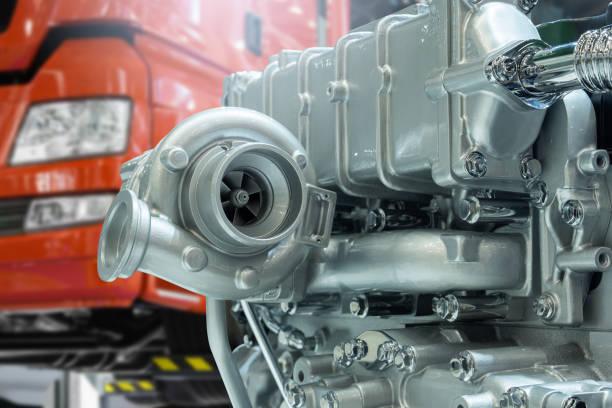
A turbocharger boosts engine power, making vehicles more efficient and responsive. Many drivers rely on turbochargers for enhanced performance, especially in diesel engines. However, like any mechanical component, turbochargers have a finite lifespan. Understanding the durability of a turbocharger can help you maintain your vehicle effectively. This blog explores factors affecting turbo longevity, maintenance tips, and when replacement is necessary.
Factors Influencing Turbocharger Longevity
The lifespan of a turbocharger depends on several factors. These include driving habits, maintenance routines, and environmental conditions. By understanding these elements, you can better predict how long your turbo will last.
Driving Habits and Their Impact
Your driving style significantly affects turbocharger durability. Aggressive driving, such as rapid acceleration or high-speed cruising, puts extra stress on the turbo. This can lead to faster wear on components like bearings and seals. Conversely, smooth and steady driving reduces strain, helping the turbo last longer. For example, diesel turbochargers in heavy-duty trucks often face intense workloads, which may shorten their lifespan if not managed properly.
Maintenance and Care Practices
Regular maintenance is crucial for extending turbocharger life. Oil changes are particularly important, as turbos rely on clean, high-quality oil for lubrication. Dirty or low oil levels can cause overheating and damage to internal components. Additionally, allowing the engine to cool down after high-speed driving prevents oil coking, which clogs turbo passages. Following manufacturer maintenance schedules ensures optimal performance and longevity.
Environmental and Operating Conditions
Environmental factors, such as extreme temperatures or dusty conditions, can impact a turbocharger. High heat can degrade oil, while dust or debris may enter the turbo, causing wear. Vehicles operating in harsh climates or heavy traffic may experience faster turbo degradation. Using high-quality air filters and ensuring proper cooling systems can mitigate these effects.
Typical Lifespan of a Turbocharger
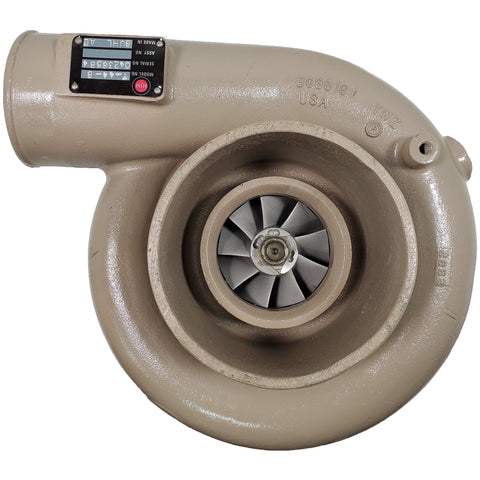
On average, a turbocharger lasts between 100,000 to 150,000 miles. However, this varies based on vehicle type and usage. Diesel turbochargers, often found in trucks and heavy machinery, may last longer due to their robust design. With proper care, some turbos exceed 200,000 miles. Conversely, neglect or harsh conditions can reduce lifespan to as low as 50,000 miles.
Differences Between Gasoline and Diesel Turbos
Gasoline and diesel turbochargers have distinct lifespans. Diesel turbochargers, available through retailers like Goldfarb & Associates, are built for durability under high-pressure conditions. Gasoline turbos, however, may wear faster due to higher operating temperatures. Understanding your vehicle’s turbo type helps set realistic expectations for its longevity.
Signs Your Turbocharger Needs Replacement
Recognizing signs of turbo failure is essential for timely replacement. Common symptoms include loss of power, excessive exhaust smoke, or unusual noises like whining or grinding. A failing turbo may also trigger check engine lights or diagnostic codes. If you notice these issues, consult a professional to assess whether replacement is necessary.
Extending the Life of Your Turbocharger
Proper care can significantly extend the lifespan of a turbocharger. Simple practices, such as regular maintenance and mindful driving, make a big difference. Here are key strategies to keep your turbo in top condition.
-
Regular Oil Changes and Lubrication
Oil is the lifeblood of a turbocharger. Regular oil changes with manufacturer-recommended oil prevent sludge buildup and ensure smooth operation. Check oil levels frequently and replace filters as needed. This reduces friction and heat, protecting turbo components from premature wear.
-
Proper Warm-Up and Cool-Down Procedures
Warming up your engine before driving allows oil to circulate properly, lubricating the turbo. Similarly, cooling down the engine after long drives prevents oil from burning inside the turbo. Idling for a minute or two before shutting off the engine can add years to your turbo’s life.
-
Using High-Quality Fuel and Filters
High-quality fuel and air filters prevent contaminants from entering the turbocharger. Poor fuel quality can cause carbon buildup, while clogged filters restrict airflow, forcing the turbo to work harder. Investing in premium filters and fuel from reputable sources supports long-term turbo health.
When to Consider Turbocharger Replacement
Eventually, every turbocharger will need replacement. Knowing when to replace it can prevent costly engine damage. If your turbo shows signs of failure or reaches the end of its expected lifespan, act promptly.
Diagnosing Turbo Failure
Diagnosing turbo issues requires professional expertise. Mechanics use diagnostic tools to check for boost pressure loss or internal damage. If repairs are not feasible, replacing the turbo is often the best option. Retailers offering diesel turbochargers online provide quality replacements for various vehicle models.
Choosing a Quality Replacement Turbo
When replacing a turbo, select a high-quality unit compatible with your vehicle. Reputable suppliers, such as those offering turbo for sale, ensure reliable performance. Always verify the turbo’s specifications and warranty to guarantee a proper fit and long-term durability.
Importance of Professional Installation
Installing a turbocharger requires precision. Improper installation can lead to leaks, misalignment, or premature failure. Trust certified mechanics with experience in turbo systems to ensure the replacement is done correctly. This maximizes the new turbo’s lifespan and performance.
Choosing Performance Parts for Your Vehicle
For those seeking vehicle performance parts, turbochargers are a key upgrade. A new or replacement turbo boosts engine power and efficiency. Whether for a diesel truck or a performance car, selecting the right turbo enhances driving experience. Prioritize quality and compatibility when choosing these components. view more

Conclusion
A turbocharger is a vital component that enhances vehicle performance, but its lifespan depends on care and usage. By understanding factors like driving habits, maintenance, and environmental conditions, you can extend its durability. Regular oil changes, proper warm-up and cool-down routines, and high-quality fuel are key to longevity. When replacement is necessary, choose a reliable turbo and professional installation to ensure optimal performance.
FAQs
What is the average lifespan of a turbocharger?
The average lifespan of a turbocharger is 100,000 to 150,000 miles. With proper maintenance, some turbos last beyond 200,000 miles. Factors like driving habits and environmental conditions can affect this range. Regular care is essential for maximizing durability.
Can a turbocharger be repaired instead of replaced?
In some cases, turbochargers can be repaired if damage is minor, such as worn seals or bearings. However, extensive damage often requires replacement. Consult a professional to assess the turbo’s condition. Repairs may not always guarantee long-term reliability.
How do I know if my turbocharger is failing?
Signs of turbo failure include loss of power, excessive exhaust smoke, or unusual noises like whining. Check engine lights or diagnostic codes may also appear. If you notice these symptoms, have your vehicle inspected promptly to avoid further damage.
Why is oil maintenance critical for turbochargers?
Turbochargers rely on clean oil for lubrication and cooling. Dirty or low oil can cause overheating and component wear. Regular oil changes with high-quality oil prevent sludge buildup. This ensures smooth operation and extends turbo lifespan.
Are diesel turbochargers more durable than gasoline ones?
Diesel turbochargers are often more robust due to their design for heavy-duty use. Gasoline turbos face higher temperatures, leading to faster wear. Proper maintenance can extend the life of both types. Always choose a turbo suited to your vehicle’s needs.
How often should I replace my turbocharger’s air filter?
Replace your turbocharger’s air filter every 12,000 to 15,000 miles or as recommended by your vehicle’s manufacturer. In dusty environments, replace it more frequently to prevent debris from entering the turbo. Clean filters ensure optimal airflow and turbo performance.



 English
 Arabic
 French
 Spanish
 Deutsch
 Turkish
 Dutch
Dutch
 Italiano
 Russian
 Romaian
 Portuguese (Brazil)
 Greek
Greek