


Essential Guide to Raised Garden Beds
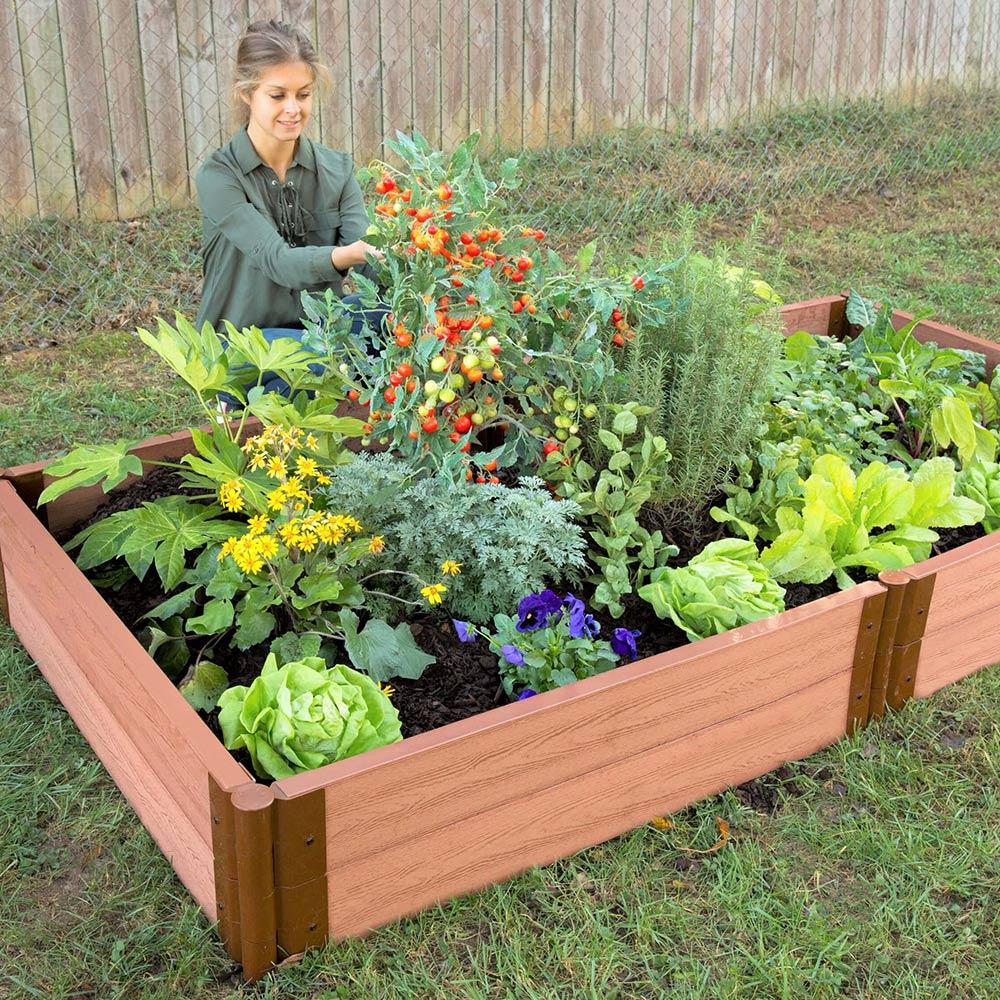

Raised garden beds have become a favorite choice among home gardeners and urban growers alike — and for good reason. They not only add structure and beauty to your outdoor space but also make gardening more efficient, productive, and enjoyable. Whether you’re a beginner or an experienced gardener, understanding how to build, plant, and maintain raised beds can transform your growing experience.
What Are Raised Garden Beds?
A raised garden bed is simply a contained area of soil elevated above ground level, often surrounded by materials like wood, metal, or stone. These beds can vary in height and size depending on the gardener’s needs and available space. Unlike traditional in-ground gardens, raised beds allow for greater control over soil quality, drainage, and plant health.
Benefits of Raised Garden Beds
Improved Soil Quality:
You can fill your raised bed with nutrient-rich soil, compost, and organic matter — ensuring optimal conditions for your plants from the start.
Better Drainage:
Raised beds prevent waterlogging steel garden beds, which is ideal for plants that dislike soggy roots.
Weed and Pest Control:
Because the beds are elevated, they reduce the spread of weeds and make it harder for pests like snails or slugs to reach your plants.
Easier Maintenance:
The elevated height minimizes bending or kneeling, making planting, weeding, and harvesting much more comfortable.
Extended Growing Season:
The soil in raised beds warms up faster in spring, allowing you to plant earlier and extend your growing season.
Choosing the Right Materials
When building raised beds, select durable and safe materials. Popular choices include:
Cedar or Redwood: Naturally rot-resistant woods.
Galvanized Steel or Corten Steel: Long-lasting and stylish, ideal for modern gardens.
Stone or Brick: Classic, permanent, and weather-resistant.
Avoid treated wood that may leach harmful chemicals into the soil, especially if you’re growing edible plants.
Filling Your Raised Bed
The key to a productive garden bed lies in the soil mix. A good starting blend is:
50% high-quality topsoil
30% compost
20% perlite, vermiculite, or coarse sand for drainage
Adding organic matter like composted leaves or aged manure will enrich the soil and promote healthy microbial activity.
Planting Tips for Success
Group plants with similar sunlight and water needs together.
Use companion planting to boost growth and deter pests.
Rotate crops each season to prevent soil depletion and disease buildup.
Maintenance Made Simple
Keep your raised beds healthy by regularly adding compost, mulching to retain moisture, and checking for weeds. Water deeply rather than frequently to encourage strong root growth.
Conclusion
Raised garden beds offer a perfect blend of practicality and beauty, making them ideal for any gardening enthusiast. With proper planning, quality materials, and regular care, you can enjoy abundant harvests and a flourishing garden season after season.



 English
 French
 Spanish
 Portuguese
 Deutsch
 Turkish
 Dutch
Dutch
 Italiano
 Russian
 Romaian
 Portuguese (Brazil)
 Greek
Greek