


The Afterlife of Automobiles: How Old Cars Are Reborn as New Materials
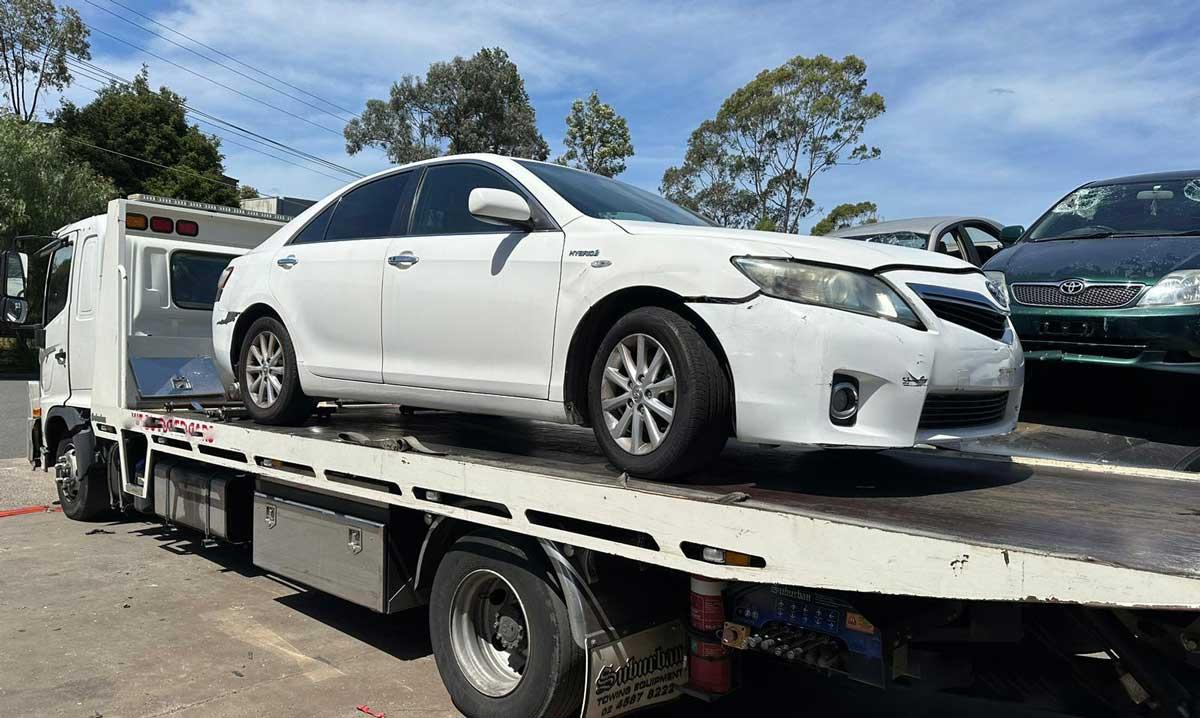
Every car reaches a point where it can no longer travel the road. Engines wear out. Rust weakens frames. Repairs become unrealistic. For many people, this moment feels like the end of a journey. In reality, it marks the start of another story. Old cars do not disappear when their final drive ends. They move into a new phase where their materials take on fresh roles.
Across Australia, thousands of vehicles reach the end of their road life each year. When handled with care, these vehicles support material reuse, lower waste levels, and reduce environmental pressure. This process forms a key part of sustainable resource use that often remains unseen.
What an Old Car Is Made Of
A vehicle is a complex mix of materials. Steel and iron form the main structure. Aluminium appears in engines, panels, and wheels. Copper runs through wiring. Plastics shape dashboards, trims, and lights. Rubber forms tyres and seals. Fluids flow through many systems.
Each of these materials has a future beyond the car itself. The afterlife of automobiles begins by separating these materials so they can return to use.
The First Step in the Afterlife Journey
Once a car leaves the road, it enters an assessment stage. This step checks which parts still function. Many vehicles stop running due to body damage or age, while internal components remain usable.
Parts such as engines, gearboxes, alternators, starters, doors, mirrors, and seats often find new homes in other vehicles. This reuse reduces the demand for new manufacturing and keeps materials active within the economy.
Fluids and Environmental Care
Cars hold several types of fluids. Engine oil, coolant, brake fluid, transmission fluid, and fuel residue remain inside even when a vehicle no longer runs. These substances can harm soil and water if released.
During vehicle dismantling, these fluids are drained and stored for treatment. Used oil can return through refining processes. Coolants and other liquids undergo proper disposal or reuse where possible. This step protects land and waterways from long term contamination.
Battery Recovery and Material Safety
Most vehicles contain lead acid batteries. These batteries include lead and acid, which pose serious risks if left unmanaged. When a battery breaks down, lead can enter the soil and remain there for decades.
Battery recovery removes this risk. Lead from old batteries often returns to new battery production. This cycle reduces the need for new lead mining and limits toxic exposure in communities.
Crushing and Shredding the Shell
After parts and fluids are removed, the remaining car shell moves to crushing and shredding. Large machines reduce the body into smaller pieces. This stage prepares materials for separation.
Magnets pull steel from the mix. Other sorting methods separate aluminium, copper, and remaining materials. Each metal stream heads toward smelting and reuse.
Steel and Its Second Life
Steel makes up the largest share of a vehicle. Recycling steel uses far less energy than producing it from iron ore. This energy saving reduces emissions and lowers demand for mining.
Recycled steel from old cars may appear in construction beams, tools, machinery, or new vehicle components. Steel keeps its strength through repeated recycling, which makes it one of the most reused materials in the world.
Aluminium and Energy Savings
Aluminium recycling offers even greater energy savings than steel. Producing aluminium from raw ore requires large amounts of electricity. Recycling aluminium needs only a small portion of that energy.
Old car engines, wheels, and panels supply valuable aluminium. Once recycled, this metal can return as packaging, transport parts, or building materials.
Copper and Electrical Systems
Copper wiring runs through every vehicle. This metal conducts electricity well and remains valuable after recycling. Copper recovery supports electrical and manufacturing sectors.
Recycled copper often appears in wiring, motors, and electronics. This reduces the need for new copper mining, which carries heavy environmental costs.
Plastics and Modern Vehicles
Modern cars use more plastic than older models. Bumpers, interior panels, and trims rely on strong plastic blends. Sunlight and heat break plastics down over time if left untreated.
During recycling, plastics are sorted and processed. Some return as industrial materials, piping, or construction products. While plastics do not recycle as endlessly as metals, proper handling still reduces waste and pollution.
Rubber and Tyre Reuse
Tyres form a large waste stream on their own. Rubber does not break down quickly in nature. Old tyres from vehicles often turn into road base material, safety mats, or sports surfaces.
This reuse reduces landfill pressure and supports infrastructure projects across Australia.
Local Vehicle Recycling and Community Impact
Vehicle recycling works best at a local level. Shorter transport distances lower fuel use and emissions. Local operations also support regional jobs and supply chains.
People searching for Car Removal Townsville often seek a local option that handles vehicles responsibly. This interest reflects growing awareness about the afterlife of automobiles and their role in resource recovery.
A Practical Link to the Process
In Townsville, Cash 4 Cars Townsville forms part of this material cycle. By removing unwanted vehicles, separating usable parts, draining fluids, and sending materials for recycling, the service supports the rebirth of old cars into new materials. This process reduces environmental risk while keeping steel, aluminium, and other resources active within local industries.
Why This Afterlife Matters
If old cars remain abandoned, their materials go to waste. Fluids leak into soil. Metals rust without reuse. Plastics break down into long lasting fragments. This creates pollution that spreads quietly over time.
Recycling stops this damage early. It also reduces the need for new mining and manufacturing, which protects land and energy resources.
The Role of Awareness
Many people see an old car as useless. Understanding its afterlife changes this view. Each vehicle holds materials that can support new products and industries.
Public awareness helps ensure vehicles move into recycling rather than decay. This choice shapes better outcomes for land, water, and air.
A Cycle That Continues
The afterlife of automobiles shows how modern society can handle waste with care. Old cars do not vanish. They transform. Steel returns stronger. Aluminium saves energy. Copper carries power. Rubber supports roads.
This cycle reflects responsible resource use in action.
Closing Thoughts
Old cars carry more than memories of past journeys. They hold materials ready for renewal. Through careful dismantling and recycling, vehicles continue serving society long after their engines stop.
Understanding this afterlife highlights the role each car plays in sustainability. What seems like an ending often becomes the start of something new.



 English
 Arabic
 French
 Spanish
 Portuguese
 Deutsch
 Dutch
Dutch
 Italiano
 Russian
 Romaian
 Portuguese (Brazil)
 Greek
Greek