


Common Mistakes Buyers Make While Choosing Fire Clay Bricks
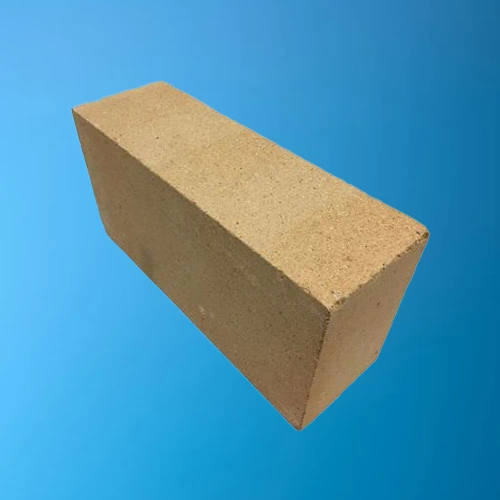
At first glance, fire clay bricks may seem like a standard, interchangeable refractory product. Many buyers assume that if a brick looks solid and carries a heat-resistant label, it will do the job. In reality, the wrong choice can slowly eat away at furnace efficiency, increase maintenance cycles, and even risk unexpected shutdowns. Most issues don’t appear immediately—they build up over time due to small but critical selection mistakes made at the buying stage.
List of the Mistakes to Avoid While Choosing Fire Clay Bricks
Focusing Only On Low Price and Avoiding Performance
Cheaper bricks may feel like a cost-saving. However, choosing price often comes with compromised raw material quality, which results in quick mechanical wear and heat loss in real operating conditions.
Overlooking Actual Operating Temperature of Your Operations
Many buyers focus on theoretical ratings rather than the real furnace temperatures their industry has. The operating temperature levels are often higher and more aggressive than expected.
Avoiding Chemical and Slag Resistance
When directly exposed to fluxes, gasses, or ash, the fire clay bricks often behave differently than usual conditions. If you avoid chemical and slag resistivity of the bricks, just like others, it may lead to erosion and surface damage over time.
Assuming That All Grades Work in All Conditions
One of the common and impactful mistakes buyers make is that they assume grades don’t matter much and choose any grade for their operations. However, the reality is different furnace zones experience different stress levels. So, using the same brick throughout often shortens lining life.
Neglecting Installation Compatibility
Poor sizing, expansion allowance, or mortar mismatch can be the primary reason for cracking in fire clay brick linings that even harm high-quality bricks. So, it is better to ensure the following installation process that follows precise brick dimensions, suitable thermal expansion gaps, and compatible refractory mortar selection.
By understanding and avoiding these mistakes, you can make sure that your fire clay bricks are of high-grade and possess key features required for optimal lining and other industrial operations.



 English
 Arabic
 French
 Spanish
 Portuguese
 Deutsch
 Turkish
 Italiano
 Russian
 Romaian
 Portuguese (Brazil)
 Greek
Greek