


Septoplasty and Turbinate Reduction in Dubai: Expert Care
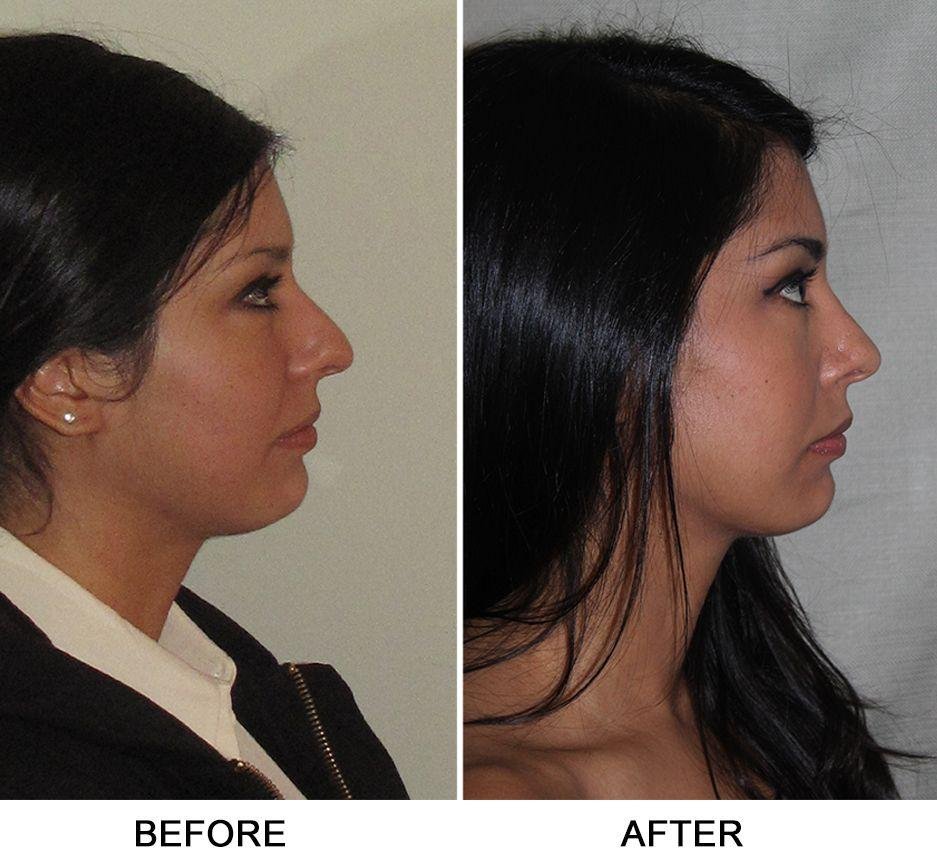
Constant nasal congestion is more than just an annoyance; it can be a significant barrier to daily productivity and restful sleep. For those seeking a long-term solution, Septoplasty and Turbinate Reduction in Dubai offers a reliable surgical pathway to clear, natural breathing. By resolving the physical structures that limit airflow, this procedure helps patients reclaim their health without the ongoing need for temporary medications.
What is Septoplasty and Turbinate Reduction
The nasal cavity contains the septum—a central wall of cartilage—and the turbinates—structures that filter and warm inhaled air. When the septum is deviated or the turbinates are chronically inflamed, the airway narrows, forcing you to breathe through your mouth. This surgical procedure corrects these two components, effectively widening the nasal passage to ensure that air flows exactly as it should.
The Mechanism of Septoplasty and Turbinate Reduction
The surgery is performed with meticulous attention to internal nasal anatomy. Under general anesthesia, the surgeon enters through the nostrils, ensuring there are no external incisions. The septoplasty component involves straightening the bent cartilage or bone, while the turbinate reduction focuses on gently trimming the excess tissue that causes congestion. This two-part approach ensures that the entire nasal passage is optimized for maximum airflow and comfort.
Why Septoplasty and Turbinate Reduction Is Used
Patients choose this procedure when they are tired of managing chronic congestion with endless sprays, allergy pills, or saline washes. When the issue is structural, medical management often provides only fleeting relief. This surgery is designed to address the physical cause, providing a permanent anatomical correction that allows you to breathe freely without relying on daily symptom management.
Benefits of the Combined Procedure
-
Improved Respiratory Flow: The primary result is a noticeable increase in the amount of air passing through your nose with every breath.
-
Better Sleep Quality: By clearing the airways, many patients find they snore less and enjoy significantly more restful, deep sleep.
-
Enhanced Stamina: Improved nasal breathing helps you maintain better oxygen levels, making exercise feel more comfortable and efficient.
-
Reduced Sinus Pressure: A clear nasal path allows for better sinus drainage, which can help prevent the buildup of pressure and recurring infections.
Identifying Ideal Candidates
The best candidates are those who have lived with chronic nasal obstruction that has not responded to conservative treatments. If you constantly feel "stuffed up," breathe through your mouth, or experience persistent fatigue, a professional evaluation is the right next step. A thorough diagnostic exam will determine if your nasal anatomy is the cause and if you are a candidate for this surgery.
The Procedure and Step-by-Step Treatment
The surgery is a modern, outpatient experience. Once the patient is safely under anesthesia, the surgeon performs the procedure entirely internally. The surgical team uses advanced instruments to straighten the septum and refine the turbinate tissue with precision. Following the adjustment, the nasal passages are stabilized, and the patient is closely monitored as they wake up, ensuring a smooth transition to the initial recovery phase.
Common Treatment Areas and Target Zones
The surgery addresses the most critical bottlenecks in your nasal system:
-
The Septal Partition: Correcting bends or deviations that cause asymmetry in breathing.
-
The Inferior Turbinates: Reducing tissue volume to prevent them from blocking the airway.
-
The Nasal Valve: Ensuring the primary intake zone is wide and clear.
Understanding Cost Factors
Determining the investment for this procedure depends on the specifics of your nasal anatomy and the surgical requirements. Because every patient’s needs are unique, the surgical plan is highly personalized. We invite you to schedule a consultation to discuss your health goals, where we can provide a transparent overview of the surgical process and the associated investment.
The Recovery Timeline and Healing Process
In our clinical experience, the recovery period is designed to be as manageable as possible. Most patients return to their normal daily schedules within a week or two. While you might feel some temporary pressure as your body heals, this is typically mild and fades quickly. We provide comprehensive post-operative instructions to ensure you are comfortable and that your healing progresses efficiently.
Side Effects and Safety Considerations
Safety is fundamental to our approach. While minor swelling or temporary sensitivity are normal parts of the healing process, major complications are extremely rare. Our use of modern, minimally invasive techniques minimizes these effects, and our team provides dedicated support throughout your recovery to ensure your experience is comfortable and that your results meet your expectations.
How to Maintain Results and Post-Treatment Care
To ensure long-term success, we place a strong emphasis on consistent post-operative care. Using saline rinses is essential for keeping the internal nasal lining clean and hydrated, which promotes optimal healing. By keeping your follow-up appointments at Tajmeels Clinic, you allow our team to track your progress and provide the guidance necessary to keep your breathing clear for years to come.
Conclusion and Soft CTA
Choosing to correct your nasal obstruction is an investment in your long-term vitality. You deserve to wake up every morning breathing easily and feeling fully rested. We are dedicated to providing the expert care you need to achieve this goal. Contact us today to schedule your consultation and discover how we can help you regain your quality of life through a tailored surgical plan.


 English
 Arabic
 Français
 Español
 Português
 Türkçe
 Dutch
Dutch
 Italiano
 Russian
 Romaian
 Portuguese (Brazil)
 Greek
Greek