


Food Filling Equipment: How Manufacturers Improve Efficiency, Quality, and ROI
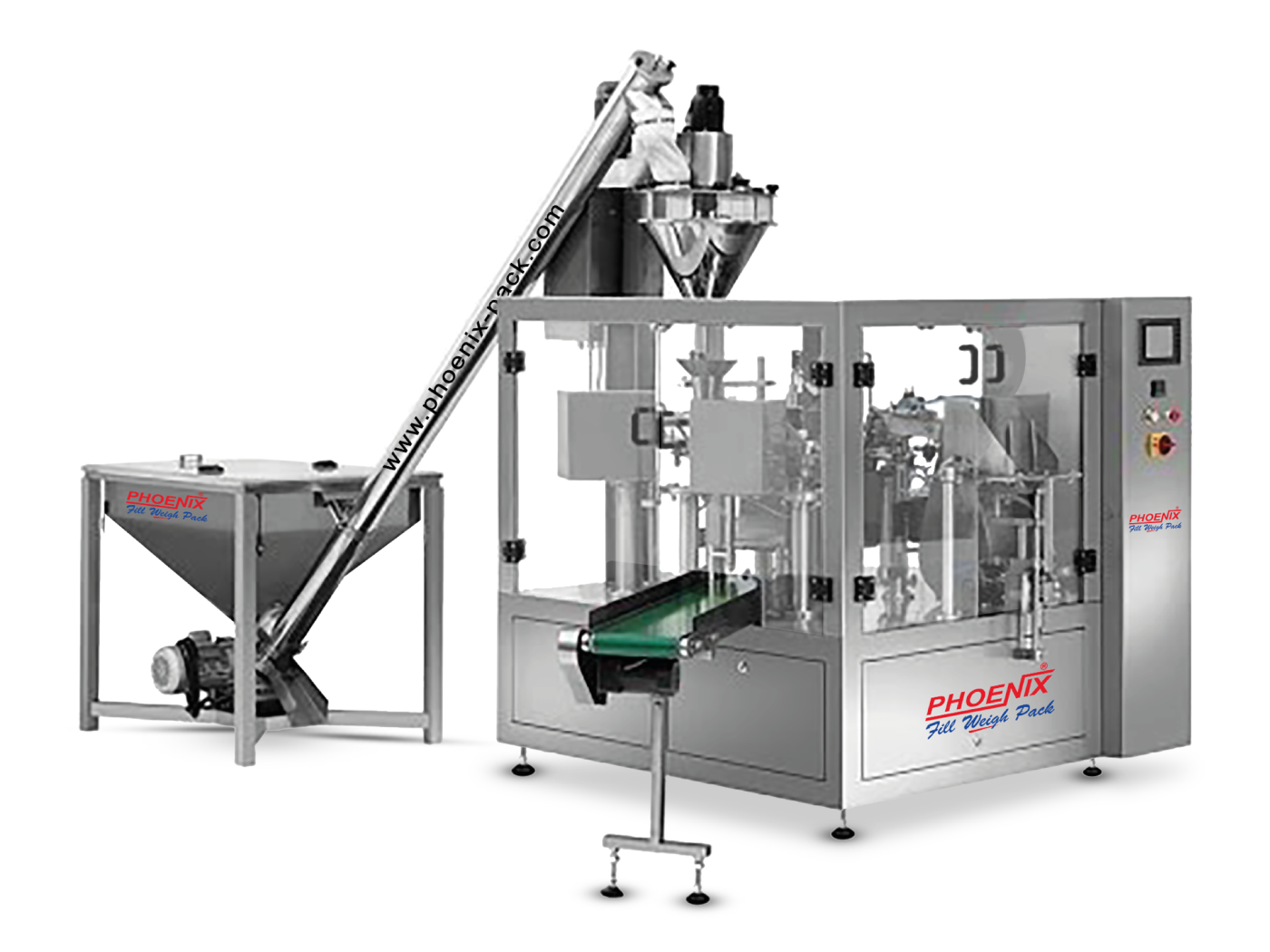
Food filling equipment is no longer just a machine that moves product into a bottle, pouch, sachet, jar, tray, or bag. In a competitive food manufacturing plant, it becomes one of the strongest control points for output, giveaway reduction, labor planning, hygiene, and packaging consistency. For manufacturers in the Middle East, Asia, China, the USA, and the UK, the buying decision is rarely about the lowest machine price. It is about choosing a system that can run reliably every shift, protect product quality, and support future volume growth without forcing a full line redesign.
Phoenix Pack’s food and beverage machinery range includes practical line components such as VFFS packing machines, servo auger fillers, piston filling machines, liquid sachet fillers, multihead weighers, conveyors, check weighers, metal detectors, coffee machines, water filling machines, and packaging machines. That range reflects how modern buyers actually plan projects: filling, weighing, sealing, coding, inspection, material handling, and after-sales service must work together, not as disconnected purchases.
Why Food Filling Equipment Matters Beyond Filling Speed
A production manager may first look at fills per minute, but experienced operators know the bigger question: how stable is the line after four, eight, or sixteen hours of operation? Good food filling equipment reduces variation in fill weight or volume, limits product waste, improves packaging efficiency, and gives operators a cleaner process to control.
The impact shows up in several places. More accurate filling reduces overfill and underfill complaints. Consistent dosing protects recipe integrity for powders, granules, sauces, oils, liquids, and pastes. Clean product paths and hygienic design standards help sanitation teams reduce changeover risk. When filling systems are linked with conveyors, check weighing, metal detection, capping, labeling, and sealing, the entire packaging line becomes easier to manage.
Matching Filling Technology to Product Behavior
The right filling machine technology depends on the product, container, target accuracy, cleaning requirements, and production volume. Powder filling systems often need auger fillers, servo control, dust management, and reliable feeding. Granules, rice, snacks, pulses, and frozen items may be better suited to multihead weighers or linear weigh fillers. Liquids and semi-liquids may require piston, pump, or gravity filling depending on viscosity, foaming, particulates, and temperature.
This is where many equipment projects go wrong. A buyer compares one food packaging machine with another based only on capacity, while ignoring product flow characteristics. Spices behave differently from coffee powder. A sticky sauce behaves differently from water. A light snack behaves differently from rice. Before selecting a food packing machine, manufacturers should test real product samples, packaging materials, closure types, and desired pack sizes.
Integration with Packaging and Processing Machines
Food filling equipment performs best when it is planned as part of a complete production line, not as a standalone island. A food processing machine upstream may mix, grind, blend, roast, or prepare the product. A conveyor system then transfers the product or container to the filling station. Downstream, sealing, capping, labeling, coding, inspection, and cartoning equipment complete the packaging cycle.
Buyers searching for food packaging equipments usually need more than a single machine; they need packaging system integration. A fully automatic food packaging machine may combine feeding, filling, forming, sealing, date coding, and inspection in a compact footprint. In other facilities, a semi-automatic filler may be the right first step if operators need flexibility for small batch production. The best choice depends on floor space, labor cost, SKU variety, cleaning frequency, and the growth plan for the next three to five years.
Automation Trends in Food Production Facilities
Food production automation is moving from basic mechanical upgrades to smarter production line automation. PLC controls, servo motors, HMI panels, recipe memory, sensors, reject systems, and data capture are becoming standard expectations for industrial packaging solutions. Industry 4.0 in food manufacturing does not always mean a fully connected factory on day one. Often, it starts with machines that record faults, support repeatable settings, and make troubleshooting easier.
For a CEO or operations leader, the business case is clear. Automated filling technology can reduce dependency on manual labor, stabilize throughput, improve manufacturing productivity, and make line performance more measurable. For procurement managers, the key is to ask whether the supplier can support integration, commissioning, operator training, spare parts, and maintenance after installation.
Evaluating ROI, Total Cost of Ownership, and Lifecycle Value
The purchase price is only one part of the investment. Total cost of ownership includes installation, compressed air or power usage, change parts, cleaning time, spare parts, operator training, preventive maintenance, rejected packs, product giveaway, and downtime. A lower-cost machine that stops frequently can become expensive within months.
A practical ROI calculation should compare current output against expected throughput optimization, labor savings, reduction in rework, improved fill accuracy, less packaging material waste, and fewer quality complaints. Downtime reduction strategies also matter. Look for accessible machine design, easy cleaning zones, standard components, clear fault messages, and local or regional after-sales support. Equipment lifecycle value often depends more on reliability and serviceability than on brochure specifications.
Food Safety, Quality Control, and Compliance Considerations
Food safety compliance should be built into the equipment discussion early. Hygienic contact parts, material compatibility, washdown needs, allergen changeovers, dust control, foreign body prevention, and cleaning validation can affect the final machine configuration. Facilities serving export markets may also need to consider FDA expectations, HACCP-based systems, customer audits, and documented preventive maintenance routines.
Quality control should not rely only on end-of-line inspection. Filling consistency, check weighing, metal detection, date coding, seal integrity, and reject confirmation should be treated as connected controls. When these checks are integrated into the packaging line, manufacturers reduce the chance of shipping nonconforming products and improve traceability during audits.
Planning for Scalability and Future Expansion
A growing food manufacturer should not buy equipment only for today’s production volume. The line should allow for additional pack sizes, recipe changes, extra conveyors, upgraded inspection systems, or a move from semi-automatic to automatic operation. Modular systems are valuable because they let plants add capacity without replacing every component.
When comparing suppliers, ask about customization options, compatibility with existing production lines, PLC control flexibility, changeover tools, operator training, and spare-part availability. A good supplier should help you understand what must be automated now and what can be prepared for later. That approach protects capital while keeping the facility ready for growth.
How to Choose the Right Food Filling Equipment Supplier
For manufacturers, procurement managers, plant managers, and CEOs, the best supplier is not simply the one who quotes fastest. The stronger partner asks detailed questions about product type, pack format, target speed, accuracy tolerance, hygiene requirements, available utilities, layout restrictions, and after-sales expectations. They should also be able to recommend supporting machines, such as conveyors, capping machines, labeling machines, check weighers, and metal detectors, when the project requires a complete automated packaging solution.
The final decision should balance technical fit, service support, line integration, operator usability, scalability, and long-term ROI. Food filling equipment is a production asset, not a one-time purchase. When specified correctly, it helps manufacturers improve operational efficiency, reduce cost per pack, maintain product quality, and build a more resilient food production facility.
4. Key Takeaways
· Food filling equipment directly affects fill accuracy, product consistency, labor efficiency, waste reduction, and profitability.
· The correct filling technology depends on product behavior, container format, hygiene requirements, and target output.
· Integration with conveyors, check weighers, metal detectors, capping, labeling, and sealing equipment improves full-line performance.
· Total cost of ownership is more important than purchase price when evaluating long-term ROI.
· Scalable, serviceable systems help manufacturers modernize now while preparing for future capacity growth.
5. FAQ Section
What is food filling equipment?
Food filling equipment is industrial machinery used to dose liquids, powders, granules, pastes, or semi-liquids into containers such as bottles, jars, pouches, sachets, trays, cans, and bags. The right system improves speed, accuracy, hygiene, and production consistency.
How does food filling equipment improve production efficiency?
It reduces manual handling, stabilizes fill accuracy, improves throughput, lowers product giveaway, and helps packaging lines run with fewer interruptions. When integrated with conveyors and inspection systems, it also improves overall line visibility.
Which filling machine is best for powders and spices?
Powders and spices often require servo auger fillers, volumetric systems, or weighing-based fillers depending on flowability, dust level, pack size, and accuracy requirements. Product testing is strongly recommended before final selection.
Can filling equipment connect with existing packaging lines?
Yes. Many filling systems can be integrated with existing conveyors, VFFS machines, premade pouch systems, capping machines, labeling machines, check weighers, coders, and metal detectors. Integration planning should be done before purchase.
What should buyers consider before investing in a fully automatic food packaging machine?
Buyers should evaluate product type, production volume, SKU variety, changeover time, sanitation needs, plant layout, utilities, operator skills, maintenance support, and projected ROI over several years.
How do manufacturers calculate ROI for food filling equipment?
ROI should include labor savings, higher throughput, reduced rejects, lower product giveaway, less downtime, improved packaging quality, faster changeovers, and fewer customer complaints. Service support and spare-part availability also affect long-term returns.


 English
 Arabic
 Français
 Español
 Português
 Türkçe
 Dutch
Dutch
 Italiano
 Russian
 Romaian
 Portuguese (Brazil)
 Greek
Greek