


A Complete Guide to fixing a Kitchen Sink that won’t hold Water
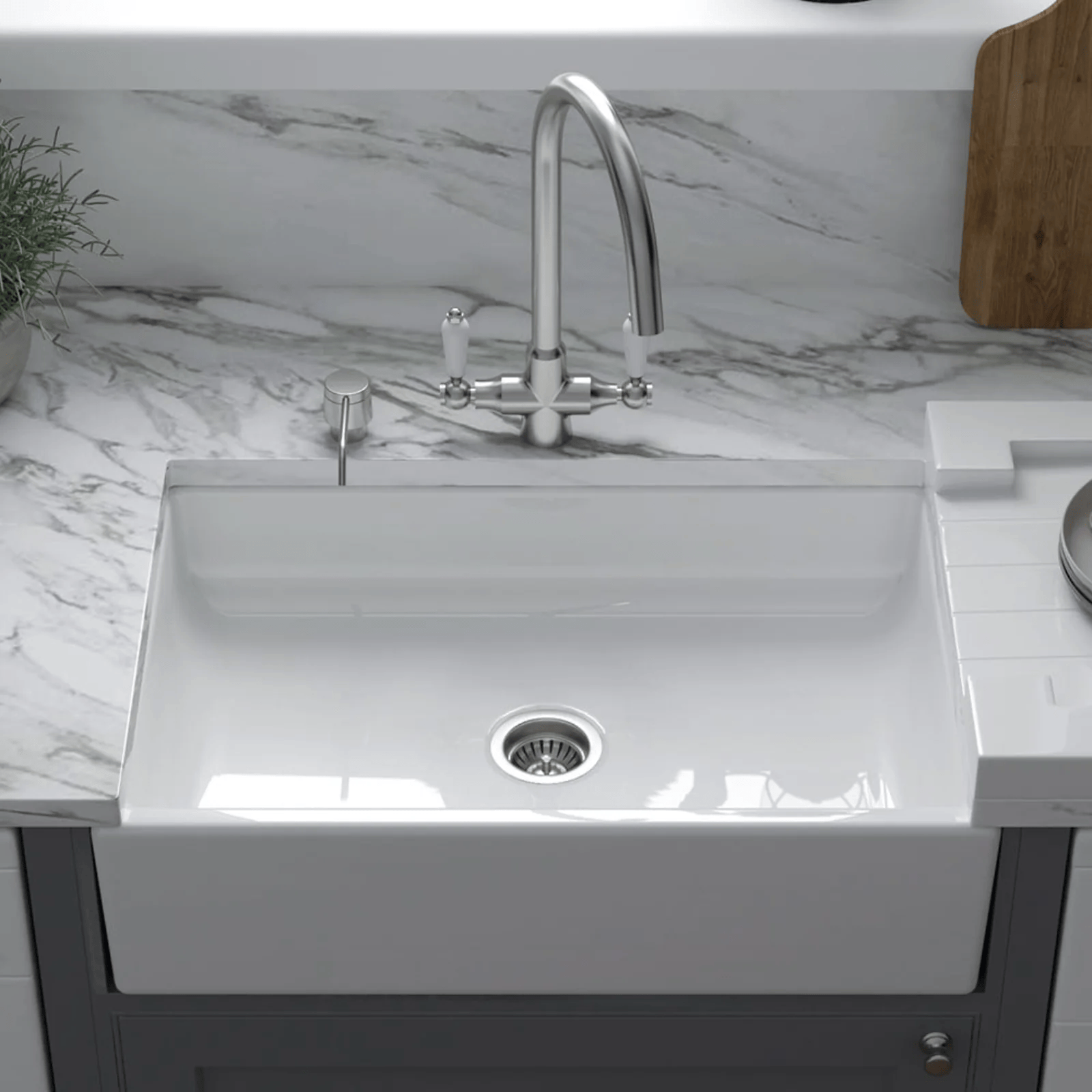
A kitchen sink is one of the most frequently used fixtures in any home. From washing vegetables and preparing meals to cleaning dishes and cookware, it plays a vital role in daily household routines. However, when a sink fails to hold water properly, even simple tasks can become frustrating.
If you've noticed that water slowly drains away despite the plug being closed, there is likely an issue with one or more components of your sink system. While the problem may seem minor at first, ignoring it can lead to wasted water, reduced functionality, and potentially more expensive repairs in the future.
Whether you own a traditional sink or a modern ceramic kitchen sink, understanding the common reasons behind this issue can help you take the right steps toward a solution.
Understanding How a Kitchen Sink Holds Water
Before identifying the causes of the problem, it helps to understand how a kitchen sink is designed to retain water.
A sink relies on a combination of components, including:
- The sink plug or basket strainer
- Rubber seals and gaskets
- Waste fittings
- Drainage mechanisms
When all these parts work together correctly, they create a watertight seal that prevents water from escaping through the drain. If any component becomes damaged, worn, or misaligned, the sink may no longer hold water effectively.
Common Reasons Your Kitchen Sink Is Not Holding Water
1. Worn-Out Sink Plug
One of the most common causes of a leaking kitchen sink is a worn or damaged sink plug.
Over time, repeated use can cause the plug to lose its effectiveness. Small cracks, warping, or deterioration can prevent it from forming a complete seal over the drain opening.
Even a minor defect can allow water to escape gradually, causing the sink to empty unexpectedly.
2. Damaged Rubber Seals
Rubber seals play a critical role in ensuring a watertight connection.
As these seals age, they can become brittle, cracked, or compressed. When this happens, water may seep through small gaps even when the plug appears to be fully closed.
Replacing worn seals is often a simple and cost-effective solution.
3. Debris and Dirt Build-Up
A kitchen sink is exposed to food scraps, grease, soap residue, and mineral deposits every day.
Over time, these substances can accumulate around the plug assembly and waste fitting. This buildup can interfere with the sealing mechanism, preventing the plug from sitting correctly.
Regular cleaning can often restore proper functionality and improve the sink's ability to retain water.
4. Faulty Waste Mechanism
Modern sinks often include sophisticated waste systems that use levers or push-button mechanisms.
If these components become loose or damaged, the plug may not close completely. As a result, water can slowly drain away despite appearing to be sealed.
Inspecting the waste mechanism for signs of wear can help identify this issue.
5. Misaligned Components
In some cases, the plug and waste assembly may become misaligned.
This can happen due to repeated use, accidental impact, or improper installation. Even slight misalignment can create small openings through which water can escape.
Professional adjustment or replacement may be necessary if the alignment cannot be corrected easily.
Why Ceramic Kitchen Sinks Remain a Popular Choice
The ceramic kitchen sink continues to be a preferred option among homeowners due to its durability and timeless appeal.
Unlike some alternative materials, ceramic offers a smooth and non-porous surface that is resistant to stains and easy to clean. This makes it an excellent choice for busy households.
A ceramic kitchen sink can complement a variety of kitchen styles, from traditional country kitchens to sleek contemporary designs. Its elegant appearance and long-lasting performance make it a worthwhile investment for many homeowners.
Although ceramic sinks are highly durable, they still rely on properly functioning waste systems and seals to hold water effectively.
Signs That Your Kitchen Sink Needs Attention
Identifying problems early can help prevent larger issues later.
Here are some common warning signs:
Water Drains Slowly When Plugged
If water gradually disappears even when the plug is in place, the seal may be compromised.
Visible Wear Around the Plug
Cracks, discoloration, or deformation can indicate that the plug requires replacement.
Unpleasant Odours
Food debris trapped around the waste fitting can contribute to unpleasant smells and may also affect the sealing mechanism.
Water Leaks Beneath the Sink
If water is leaking underneath the sink cabinet, damaged seals or waste fittings may be responsible.
How to Prevent Kitchen Sink Problems
Regular maintenance is the best way to keep your kitchen sink functioning properly.
Clean the Plug Regularly
Removing food particles and grease buildup helps maintain an effective seal.
Inspect Seals and Gaskets
Checking these components periodically can help identify wear before it causes significant problems.
Avoid Pouring Grease Down the Drain
Grease can solidify and contribute to blockages and buildup around the waste assembly.
Address Small Issues Quickly
Minor problems are often easier and less expensive to fix than major repairs.
Choosing the Right Sink for Long-Term Performance
If you are considering a kitchen upgrade, selecting a high-quality sink is an important decision.
A ceramic kitchen sink offers several advantages:
- Excellent durability
- Easy maintenance
- Resistance to stains
- Timeless design appeal
- Compatibility with various kitchen styles
When paired with quality waste fittings and proper maintenance, a ceramic sink can provide reliable performance for many years.
The Importance of Proper Maintenance
Many sink-related issues can be avoided through routine care.
Taking a few minutes each week to clean your sink, inspect the plug, and check for signs of wear can help extend the lifespan of your sink and prevent unexpected problems.
Whether you own a stainless steel model or a ceramic kitchen sink, proactive maintenance remains the key to long-term functionality.
Conclusion
A kitchen sink that fails to hold water can be frustrating, but the underlying cause is often relatively simple to identify and resolve. Common issues such as worn plugs, damaged seals, debris buildup, or faulty waste mechanisms can usually be corrected without major repairs.
For homeowners seeking both style and practicality, a ceramic kitchen sink remains an excellent choice. Its durability, easy maintenance, and classic appearance make it one of the most popular sink options available today.
By understanding the causes of water retention problems and performing regular maintenance, you can keep your kitchen sink operating efficiently and avoid unnecessary inconvenience.
Frequently Asked Questions (FAQs)
1. Why is my kitchen sink not holding water?
The most common causes include a worn sink plug, damaged rubber seals, debris buildup, or a faulty waste mechanism.
2. Can a damaged seal cause water to drain away?
Yes. Even a small gap in a seal can prevent a kitchen sink from maintaining a watertight seal.
3. How often should I replace my sink plug?
Replacement depends on usage and wear, but plugs should be inspected regularly and replaced if signs of damage appear.
4. Is a ceramic kitchen sink durable?
Yes. A ceramic kitchen sink is highly durable, resistant to stains, and designed to withstand everyday household use.
5. How do I maintain a ceramic kitchen sink?
Regular cleaning with non-abrasive products and periodic inspection of seals and waste fittings can help maintain its appearance and performance.
6. Can debris affect my sink's ability to hold water?
Absolutely. Food particles, grease, and mineral deposits can interfere with the sealing mechanism and cause water to leak through the drain.
7. When should I call a professional?
If replacing the plug or cleaning the waste assembly does not solve the problem, a professional plumber can inspect the system and identify any underlying issues.


 English
 Arabic
 Français
 Español
 Português
 Deutsch
 Türkçe
 Dutch
Dutch
 Italiano
 Romaian
 Portuguese (Brazil)
 Greek
Greek