


Microgrid Controllers and the Shift Toward Smarter Power Networks
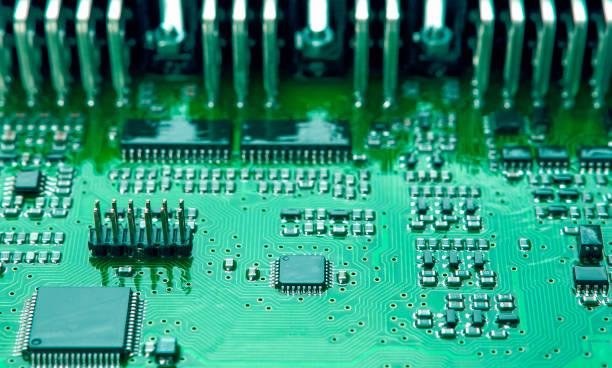
Microgrid controllers are becoming important as power systems move toward decentralization, renewable integration, and greater resilience. These platforms coordinate distributed energy resources such as solar panels, batteries, diesel generators, wind systems, and grid connections. Their role is to balance electricity generation, storage, and consumption so that microgrids can operate reliably in both grid-connected and islanded modes.
According to MarkNtel Advisors, the Global Microgrid Controller Market was valued at around USD 8.73 billion in 2025 and is projected to reach USD 23.98 billion by 2032, registering a CAGR of around 15.53% during 2026–2032. The USD 23.98 billion by 2032 outlook reflects rising demand for grid resilience, intelligent energy management, AI-enabled controls, and renewable-heavy power systems.
Grid Resilience Is Driving Adoption
Power networks are facing growing pressure from extreme weather, aging infrastructure, cyber risks, and rising electricity demand. Microgrids help address these concerns by allowing critical sites to operate locally when the main grid is disrupted. The U.S. Department of Energy’s microgrid resources describe microgrids as systems that can connect and disconnect from the grid, making them relevant for resilience and local energy control.
Controllers are the decision-making layer within these systems. They manage power flow, dispatch storage, switch between energy sources, monitor voltage and frequency, and support safe islanding. This makes them particularly important for hospitals, military bases, campuses, data centers, industrial facilities, and remote communities that require continuous electricity.
Hardware Remains the Leading Offering
The MarkNtel study notes that hardware represented around 58% share in 2025. This includes controller units, sensors, meters, communication interfaces, protection devices, and other physical components needed to manage distributed energy assets. Hardware remains essential because microgrids require real-time monitoring and control across multiple power sources operating under changing load conditions.
However, software is becoming more important as systems grow more complex. The International Energy Agency’s electricity system analysis highlights the need for flexibility as renewable generation expands. Advanced software helps controllers forecast demand, optimize battery use, manage solar variability, reduce fuel consumption, and improve overall system reliability.
Commercial End Users Lead Demand
Commercial users accounted for around 36% share in 2025, according to the MarkNtel report. This reflects adoption across offices, malls, hotels, business parks, logistics hubs, data centers, and large retail facilities. These sites often need reliable electricity to avoid operational disruption, manage peak demand, and integrate on-site renewable generation.
Energy security is also becoming a wider business priority. IRENA’s energy transition resources emphasize the role of renewables, flexibility, and system transformation in cleaner power systems. For commercial users, microgrid controllers support this transition by helping combine solar, storage, backup generation, and grid power into one coordinated operating model.
Asia-Pacific Holds the Largest Regional Share
Asia-Pacific held around 43% share in 2025, supported by large electricity demand, renewable deployment, industrial growth, rural electrification needs, and grid modernization programs. Countries such as China, India, Japan, South Korea, and Indonesia are using decentralized power systems to improve reliability, reduce outage risk, and support renewable energy integration.
The Asian Development Bank’s energy work reflects the region’s focus on energy access, clean power, and resilient infrastructure. Microgrid controllers are relevant to this agenda because they enable distributed assets to operate more efficiently and provide power in areas where centralized grid expansion is costly or technically difficult.
Outlook for Intelligent Microgrid Control
AI and machine learning are becoming important trends in microgrid controller development. These technologies can improve load forecasting, fault detection, dispatch optimization, and predictive maintenance. The NREL microgrid research shows how research institutions are examining microgrids for resilience, renewable integration, and advanced energy management.
The long-term direction points toward controllers that are more autonomous, interoperable, cyber-secure, and data-driven. As utilities, enterprises, campuses, and remote communities invest in decentralized energy systems, microgrid controllers will remain a foundational technology for building reliable, flexible, and cleaner power networks.


 English
 Arabic
 Français
 Español
 Português
 Deutsch
 Türkçe
 Dutch
Dutch
 Russian
 Romaian
 Portuguese (Brazil)
 Greek
Greek