


Wood Fork: Why an Olive Wood Cooking Fork Belongs in Every Kitchen
Quick Answer
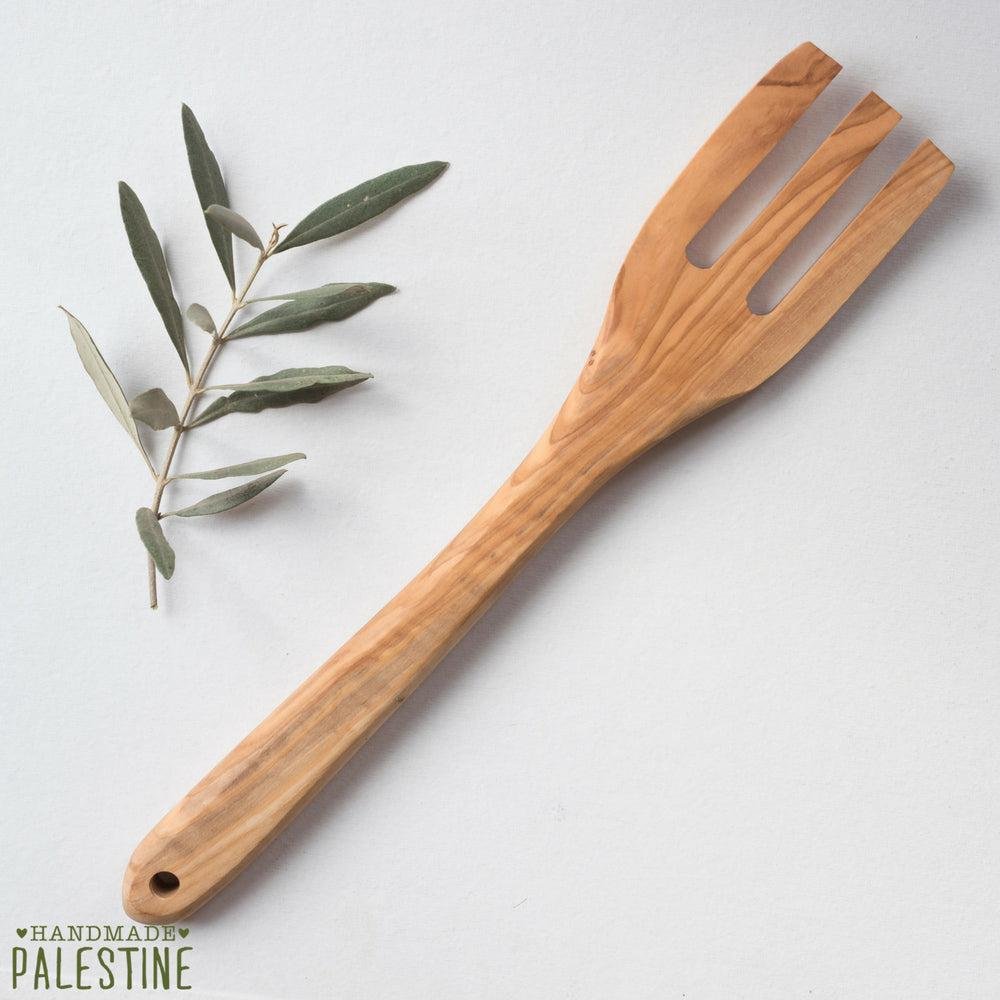
A wood fork is a versatile kitchen utensil used for stirring, serving, and turning food without scratching cookware. Handmade Palestinian olive wood forks are valued for their durability, natural beauty, and traditional craftsmanship, making them a practical choice for everyday cooking and a meaningful way to support artisan communities.
What Is a Wood Fork?
A wood fork is a cooking utensil designed to lift, turn, mix, and serve food. Unlike metal utensils, it is gentle on cookware and works well with non-stick pots and pans.
Many wooden forks are made from hardwoods, but olive wood is especially prized for its strength, dense grain, and distinctive natural patterns. Every piece has its own unique appearance because no two olive trees produce the same grain.
For home cooks in the USA, a handcrafted wood fork combines everyday function with lasting craftsmanship.
Why Olive Wood Is an Excellent Material
Not all wooden utensils are made from the same type of wood.
Palestinian olive wood has qualities that make it particularly suitable for kitchen tools.
Dense and Durable
Olive wood is naturally hard, making it resistant to everyday wear during cooking.
Beautiful Natural Grain
Every utensil displays a unique grain pattern created by the olive tree itself. No two handcrafted forks look exactly alike.
Crafted from Pruned Branches
The wood comes from olive trees that are regularly pruned to remain healthy. The branches are transformed into useful kitchen utensils rather than being discarded.
Why Choose a Handcrafted Wood Fork?
Choosing a handcrafted wood fork offers advantages beyond appearance.
Benefits include:
- Safe for non-stick cookware
- Comfortable to hold while cooking
- Durable natural hardwood
- Unique handcrafted finish
- Long-lasting everyday kitchen tool
- Supports traditional Palestinian craftsmanship
Because every fork is carved by hand, each one has its own individual character.
How Palestinian Artisans Make Olive Wood Forks
Olive wood craftsmanship has been part of life in Bethlehem for generations.
Selecting the Wood
Artisans begin with carefully chosen olive wood from sustainably pruned branches.
Hand Carving
Each utensil is shaped and refined using traditional woodworking techniques.
Sanding and Finishing
The surface is smoothed by hand to create a comfortable finish while preserving the natural beauty of the wood grain.
Rather than mass production, every utensil reflects individual craftsmanship.
Wood Fork vs. Metal Fork
When choosing cooking utensils, each material offers different benefits.
Wood Fork
- Gentle on non-stick cookware
- Naturally attractive grain
- Comfortable grip
- Handmade by artisans
- Every piece is unique
Metal Fork
- Can scratch some cookware
- Factory manufactured
- Uniform appearance
- Less connected to artisan craftsmanship
Many home cooks use both, but wooden utensils are often preferred for protecting cookware.
Everyday Uses for a Wood Fork
A handcrafted wood fork is surprisingly versatile.
You can use it for:
- Turning vegetables while roasting
- Mixing pasta dishes
- Serving salads
- Lifting cooked vegetables
- Stirring soups and sauces
- Serving family-style meals
Its lightweight design makes it useful for daily cooking.
Caring for Your Olive Wood Fork
Proper care helps preserve the beauty and durability of olive wood.
Care Tips
- Wash by hand using warm water and mild soap.
- Dry immediately after washing.
- Avoid soaking the utensil in water.
- Occasionally apply food-safe mineral oil to maintain the wood.
With simple care, an olive wood fork can last for many years.
Why Handmade Palestine Supports Traditional Woodworking
Handmade Palestine partners with artisan workshops in Bethlehem that continue generations of olive wood carving.
Every purchase supports authentic Palestinian products made in Palestine while helping preserve traditional woodworking skills and strengthening local artisan communities.
Customers in the USA can bring home a functional kitchen tool while supporting meaningful craftsmanship.
Explore the Large Fork Cooking Utensil to experience authentic handcrafted olive wood craftsmanship.
Conclusion
A wood fork is more than a useful kitchen utensil. When handcrafted from Palestinian olive wood, it represents generations of woodworking tradition, sustainable use of natural materials, and artisan skill.
Choosing an authentic olive wood fork from Handmade Palestine means adding a practical, durable tool to your kitchen while supporting Palestinian communities and preserving traditional craftsmanship.
FAQs
What is a wood fork used for?
A wood fork is a versatile cooking utensil used for stirring, turning, serving, and mixing food. It is especially useful with non-stick cookware because the wooden surface helps prevent scratches while providing a comfortable grip during everyday cooking.
Why are olive wood forks popular?
Olive wood forks are valued for their dense hardwood, natural durability, and distinctive grain patterns. Since every utensil is carved from real olive wood, each piece has a unique appearance while remaining practical for everyday kitchen use.
Is an olive wood fork safe for non-stick cookware?
Yes. Olive wood forks are gentle on non-stick cookware and are less likely to scratch coated pots and pans compared to many metal utensils, making them a popular choice for everyday cooking.
How should I care for an olive wood fork?
Wash the fork by hand with mild soap and warm water, dry it immediately, and avoid soaking it for long periods. Applying food-safe mineral oil occasionally helps maintain the wood's natural finish and durability.
Why is every handmade olive wood fork different?
Every olive tree has a unique grain pattern, and each utensil is individually carved by hand. As a result, no two handmade olive wood forks look exactly alike, giving every piece its own natural character.
Does buying from Handmade Palestine support local artisans?
Yes. Handmade Palestine works directly with Palestinian artisans who create authentic products made in Palestine. Every purchase helps preserve traditional woodworking skills while supporting artisan livelihoods and local communities.


 English
 Arabic
 Français
 Español
 Deutsch
 Türkçe
 Dutch
Dutch
 Italiano
 Russian
 Romaian
 Portuguese (Brazil)
 Greek
Greek