


Everything You Need to Know About Timing Belt Replacement Services

Vehicle maintenance is often viewed as a series of routine tasks, yet some components play a far greater role in protecting an engine than many drivers realize. Among these, the timing belt stands out as one of the most critical. Although hidden beneath engine covers, this reinforced belt synchronizes the movement of the crankshaft and camshaft, ensuring valves and pistons operate in perfect harmony.
Ignoring replacement intervals can result in severe engine damage, unexpected breakdowns, and repair bills that significantly exceed the cost of preventative maintenance. Whether you’re a private vehicle owner or manage a commercial fleet, understanding the importance of Timing Belt Replacements Trowbridge and across the wider UK can help reduce long-term ownership costs while improving vehicle reliability.
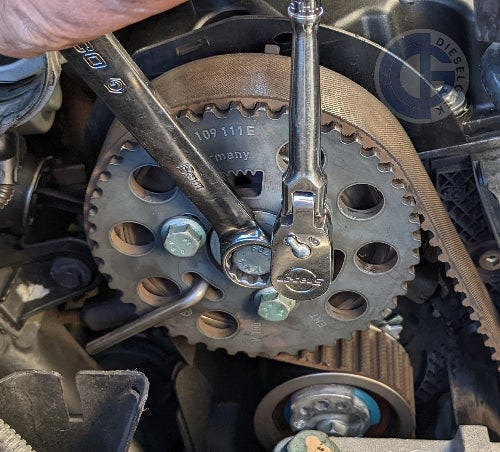
Understanding the Role of a Timing Belt
The timing belt controls the precise timing of an engine’s internal components. As it rotates, it ensures that valves open and close at exactly the right moment relative to piston movement. Modern engines rely on this synchronization to deliver optimal performance, fuel efficiency, and reduced emissions.
Unlike accessory belts, the timing belt is located inside the engine and experiences continuous mechanical stress. Over time, heat, friction, and age gradually weaken the belt material, making scheduled replacement essential rather than optional.
Many manufacturers specify replacement intervals based on mileage or years of ownership, whichever comes first. Delaying replacement beyond these recommendations increases the risk of catastrophic engine failure.
Why Preventative Replacement Is More Cost-Effective
One of the most common misconceptions among motorists is that a timing belt only needs attention if obvious symptoms appear. In reality, timing belts often fail without warning.
Replacing a worn timing belt before failure offers several advantages:
- Prevents expensive engine damage
- Reduces roadside breakdown risks
- Improves long-term engine reliability
- Maintains manufacturer maintenance schedules
- Supports better resale value through documented servicing
Preventative maintenance remains one of the smartest investments for vehicle owners because repair costs following belt failure can be several times higher than scheduled replacement.
This is why professional Timing Belt Replacements Services are considered an essential part of responsible vehicle ownership rather than an unnecessary expense.
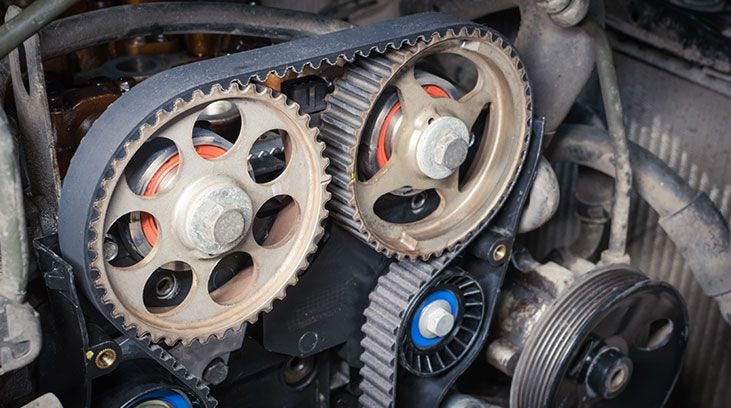
Industry Trends Driving Better Maintenance Awareness
Across the Timing Belt Replacements UK market, both workshops and motorists are becoming increasingly proactive regarding preventative maintenance.
Several trends are influencing this shift:
Digital Service Records
Modern vehicles increasingly maintain electronic maintenance histories, making it easier for owners to track replacement intervals accurately.
Longer Vehicle Ownership
Many UK motorists now keep vehicles for longer periods due to rising new car prices. This increases the importance of scheduled maintenance throughout a vehicle’s lifecycle.
Improved Diagnostic Technology
Advanced diagnostic equipment enables technicians to identify related component wear before major failures occur, helping reduce unexpected repair costs.
Greater Consumer Education
Automotive service providers now focus more on educating customers about preventative maintenance rather than simply responding to breakdowns.
These industry developments encourage informed maintenance decisions that improve vehicle longevity.
Understanding Wet Timing Belt Systems
A growing number of modern engines now use wet timing belts rather than traditional dry belts.
Unlike conventional timing belts, wet belts operate inside the engine and remain lubricated by engine oil throughout their service life. While this design offers benefits such as reduced friction and quieter operation, it also introduces additional maintenance considerations.
One frequently researched topic among vehicle owners is wet timing belt replacement cost, as replacement procedures are often more complex.
Several factors influence replacement costs:
- Vehicle manufacturer
- Engine design
- Labour requirements
- Replacement of associated components
- Oil system cleaning (when required)
Because contaminated engine oil can accelerate wet belt deterioration, regular oil changes using manufacturer-approved lubricants become even more important.
Understanding these systems helps owners make informed maintenance decisions while reducing the likelihood of premature belt wear.
Common Signs a Timing Belt May Need Attention
Although timing belts often fail without warning, certain symptoms may indicate wear or related mechanical issues.
Drivers should pay attention to:
- Unusual ticking noises from the engine
- Difficulty starting the vehicle
- Engine misfires
- Reduced engine performance
- Oil leaks near timing covers
- Visible belt wear during inspection
- Dashboard warning lights (where applicable)
It’s important to remember that these symptoms may also relate to other engine components. Professional inspection is the safest approach before drawing conclusions.
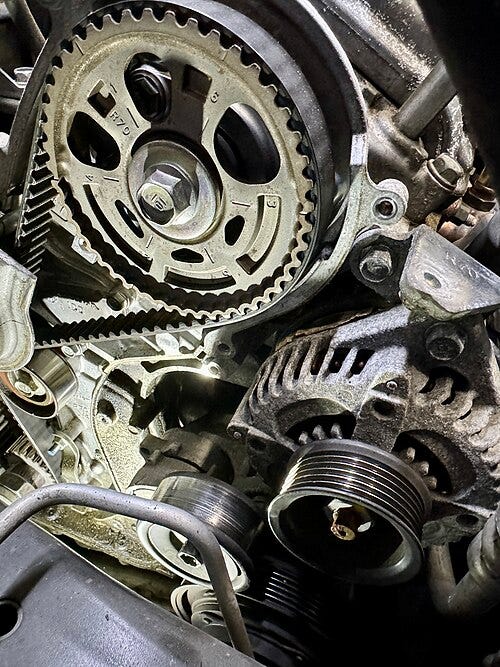
Best Practices for Timing Belt Maintenance
Vehicle owners can significantly reduce mechanical risks by following several maintenance best practices.
Follow Manufacturer Recommendations
Every vehicle has recommended replacement intervals based on mileage and age. These guidelines should always take priority.
Replace Related Components Together
Many technicians recommend replacing associated parts during timing belt replacement, including:
- Water pump
- Belt tensioners
- Idler pulleys
- Drive belts where appropriate
- Coolant (if required)
Replacing these components together often reduces future labour costs and improves long-term reliability.
Maintain Proper Oil Quality
For engines equipped with wet timing belts, using the correct engine oil specification is particularly important.
Incorrect or degraded oil may contribute to accelerated belt deterioration.
Keep Accurate Service Records
Documented maintenance provides value beyond reliability. Comprehensive service records can increase buyer confidence and support stronger resale values.
Common Challenges Vehicle Owners Face
Despite growing awareness, several challenges continue to affect timing belt maintenance decisions.
Delayed Servicing
Many drivers postpone replacement because the vehicle appears to operate normally.
Unfortunately, timing belt failure often occurs without gradual warning.
Confusing Maintenance Schedules
Different manufacturers recommend different replacement intervals, making it difficult for owners to know exactly when servicing is required.
Professional servicing helps clarify maintenance requirements based on the specific engine model.
Cost Concerns
Some owners hesitate due to perceived replacement costs.
However, comparing preventative maintenance against potential engine rebuild expenses highlights the financial value of timely servicing.
Choosing a Qualified Workshop
Selecting experienced technicians remains one of the most important aspects of successful timing belt replacement.
A reputable workshop should provide:
- Manufacturer-compliant procedures
- High-quality replacement components
- Experienced technicians
- Transparent inspection reports
- Clear maintenance recommendations
For example, independent specialists such as S&M Auto Service demonstrate how local workshops can support preventative vehicle maintenance by following professional servicing standards and manufacturer guidance without unnecessary upselling.
Choosing experienced professionals helps ensure long-term engine protection and dependable vehicle performance.
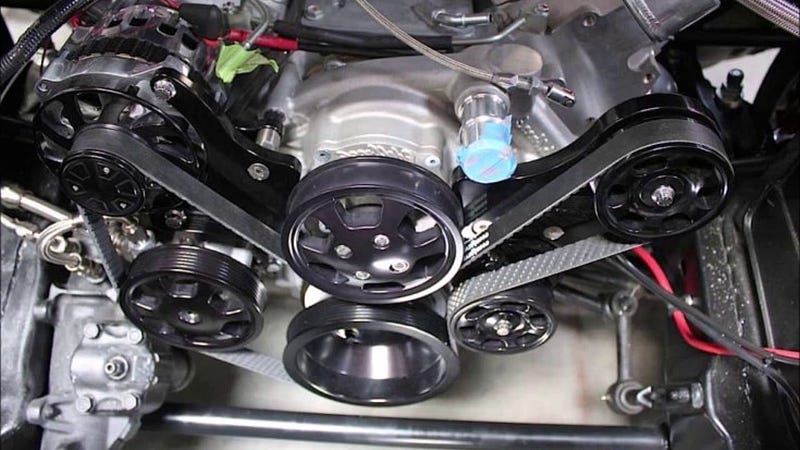
The Future of Preventative Vehicle Maintenance
Automotive technology continues to evolve, but preventative maintenance remains as important as ever.
Connected vehicles, predictive diagnostics, and digital service tracking are helping owners identify maintenance needs earlier than before. As these technologies become more widespread, timing belt replacement scheduling is expected to become even more accurate and convenient.
Nevertheless, no technological advancement replaces routine inspections, quality replacement parts, and skilled workmanship.
Drivers who stay proactive with maintenance are more likely to experience lower operating costs, improved reliability, and fewer unexpected mechanical failures throughout a vehicle’s lifespan.
Conclusion
Timing belts may be hidden from view, but their importance cannot be overstated. Regular inspections, adherence to manufacturer service intervals, and professional replacement significantly reduce the risk of severe engine damage while improving long-term reliability.
Whether researching Timing Belt Replacements Trowbridge, exploring Timing Belt Replacements UK, comparing Timing Belt Replacements Services, or understanding wet timing belt replacement cost, informed maintenance decisions always deliver better value than emergency repairs.
By prioritizing preventative servicing and working with qualified professionals, vehicle owners can protect one of their most valuable investments while enjoying safer, smoother, and more dependable driving for years to come.
More Read:
https://manage.wix.com/dashboard/a7843042-5839-4725-ac79-d9de625987b1/blog/posts?
https://wikinewsportal.com/why-timing-chain-replacement-matters-for-long-term-engine-health/


 English
 Arabic
 Français
 Español
 Português
 Deutsch
 Türkçe
 Dutch
Dutch
 Russian
 Romaian
 Portuguese (Brazil)
 Greek
Greek