


Is Facial Psoriasis Permanent or Curable?
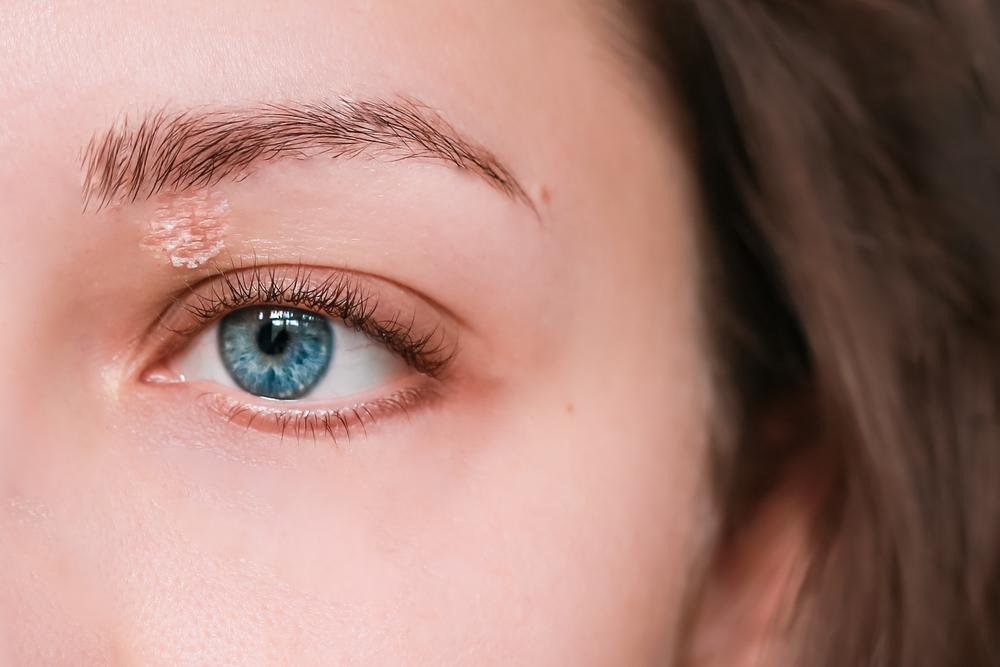
Facial psoriasis can be a challenging skin condition to manage because it affects one of the most visible areas of the body. The condition can cause redness, dryness, scaling, itching, and discomfort, which may impact confidence and daily life.
Many people wonder whether facial psoriasis will last forever or if there is a way to completely cure it.
Understanding what causes psoriasis on the face is the first step toward managing the condition. Facial psoriasis develops when the immune system becomes overactive and causes skin cells to grow too quickly.
This rapid skin cell production leads to inflammation and the buildup of thick, irritated patches on the skin. While there is currently no permanent cure for psoriasis, many treatments can effectively control symptoms and help people achieve clearer skin.
In this blog, we will explore whether facial psoriasis is permanent, what triggers it, how it is treated, and what options are available for long-term management.
What Is Facial Psoriasis?
Psoriasis is a chronic inflammatory skin condition that occurs when the immune system mistakenly attacks healthy skin cells. This causes the skin renewal process to speed up, leading to an accumulation of skin cells on the surface.
Facial psoriasis affects sensitive areas such as:
- Forehead
- Eyebrows
- Hairline
- Around the eyes
- Nose and cheeks
- Area around the mouth
Unlike psoriasis on thicker areas of skin, facial psoriasis requires special care because facial skin is thinner and more sensitive.
Is Facial Psoriasis Permanent?
Facial psoriasis is considered a chronic condition, meaning it can continue for a long period of time. However, this does not mean symptoms are always present.
Many people experience periods of:
- Flare-ups, when symptoms become active
- Remission, when the skin becomes clearer
Psoriasis can behave differently for each person. Some individuals may have occasional mild flare-ups, while others may experience more frequent symptoms.
Although psoriasis cannot currently be cured permanently, proper treatment can help control symptoms and improve quality of life.
Can Facial Psoriasis Be Cured?
At this time, there is no known cure that completely removes psoriasis forever.
However, modern treatments can help:
- Reduce inflammation
- Control itching
- Slow excessive skin growth
- Improve skin appearance
- Extend periods of remission
The goal of treatment is not only to manage visible symptoms but also to reduce inflammation and prevent future flare-ups.
Many people with facial psoriasis are able to maintain healthy-looking skin with the right treatment plan.
What Causes Facial Psoriasis?
Facial psoriasis develops because of an immune system response that causes excessive inflammation in the skin.
Several factors may contribute to the development of psoriasis.
Immune System Dysfunction
The immune system normally protects the body from infections and harmful substances.
In people with psoriasis, immune cells become overactive and send incorrect signals to skin cells. These signals cause skin cells to multiply faster than normal.
Instead of shedding naturally, the extra cells build up and create psoriasis patches.
Genetics
Genetics plays an important role in psoriasis.
People with close family members who have psoriasis may have a higher chance of developing the condition.
However, having a family history does not guarantee that someone will develop psoriasis. Environmental triggers also influence whether symptoms appear.
Environmental Triggers
Certain factors can trigger or worsen facial psoriasis.
Common triggers include:
- Stress
- Skin injuries
- Infections
- Cold weather
- Dry air
- Certain medications
- Smoking
- Alcohol consumption
Identifying personal triggers can help reduce future flare-ups.
What Does Facial Psoriasis Look Like?
Facial psoriasis may look different from psoriasis on other parts of the body.
Common signs include:
- Red or pink patches
- Dry, flaky skin
- Mild to moderate scaling
- Itching or burning
- Sensitive skin
Because facial skin is delicate, symptoms may sometimes resemble other conditions such as eczema, rosacea, or seborrheic dermatitis.
A dermatologist can provide an accurate diagnosis and recommend appropriate treatment.
Why Is Facial Psoriasis More Difficult to Treat?
Treating psoriasis on the face can be more challenging because facial skin is thinner and more sensitive.
Some strong psoriasis treatments used on the body may cause irritation when applied to the face.
Healthcare providers often choose gentler options that balance effectiveness with skin safety.
Treatment decisions depend on:
- Severity of symptoms
- Location of affected areas
- Skin sensitivity
- Previous treatments
- Overall health
Treatment Options for Facial Psoriasis
Although facial psoriasis cannot be permanently cured, several treatments can help control symptoms.
Topical Treatments
Topical medications are often the first approach for mild facial psoriasis.
Options may include:
- Low-strength corticosteroids
- Vitamin D analog creams
- Calcineurin inhibitors
- Other prescription creams
Because some treatments may irritate facial skin, they should be used exactly as directed by a healthcare provider.
Moisturizers and Skin Care
A consistent skincare routine plays an important role in managing facial psoriasis.
Moisturizers help:
- Reduce dryness
- Support the skin barrier
- Decrease irritation
- Improve comfort
Look for gentle products that are:
- Fragrance-free
- Designed for sensitive skin
- Non-irritating
Avoid harsh exfoliants and products that cause burning or dryness.
Phototherapy
Phototherapy uses controlled doses of ultraviolet light to reduce psoriasis symptoms.
It may help slow excessive skin cell growth and decrease inflammation.
However, treatment should always be performed under medical supervision to reduce potential risks.
Oral and Injectable Medications
For moderate to severe psoriasis, doctors may recommend systemic treatments.
These medications work throughout the body to control immune system activity.
Options may include:
- Oral medications
- Injectable biologic therapies
- Other immune-targeting treatments
A dermatologist can determine whether these treatments are appropriate.
Lifestyle Changes That May Help
While lifestyle changes cannot cure psoriasis, they may help reduce flare-ups.
Helpful habits include:
- Managing stress
- Maintaining a healthy weight
- Getting enough sleep
- Avoiding smoking
- Limiting alcohol
- Protecting skin from irritation
Stress management is especially important because emotional stress is one of the most commonly reported psoriasis triggers.
Can Diet Affect Facial Psoriasis?
There is no specific diet proven to cure psoriasis.
However, some people notice improvements by focusing on overall healthy eating habits.
A balanced diet that includes:
- Fruits
- Vegetables
- Lean proteins
- Whole grains
- Healthy fats
may support overall health and help reduce inflammation.
If you notice certain foods trigger symptoms, discuss these patterns with your healthcare provider.
How Long Do Facial Psoriasis Flare-Ups Last?
The duration of a flare-up varies from person to person.
Some flare-ups may improve within weeks, while others may last longer.
Factors affecting flare duration include:
- Treatment approach
- Trigger exposure
- Stress levels
- Immune system activity
- Skincare habits
Early treatment may help shorten flare-ups and reduce discomfort.
When Should You See a Dermatologist?
You should seek professional advice if:
- Facial redness or scaling does not improve.
- Symptoms affect your confidence.
- Psoriasis spreads to new areas.
- Over-the-counter products do not help.
- Symptoms become painful or severe.
A dermatologist can confirm whether your symptoms are caused by psoriasis and create a personalized treatment plan.
The Future of Facial Psoriasis Treatment
Researchers continue studying psoriasis to better understand immune system activity and develop improved treatments.
Clinical research helps evaluate:
- New medications
- Advanced biologic therapies
- Better approaches for managing inflammation
- Long-term treatment strategies
These studies are important for discovering safer and more effective options for people living with psoriasis.
Conclusion
Facial psoriasis is a chronic condition that does not currently have a permanent cure. However, it does not mean that symptoms will always be visible or difficult to manage. With the right treatment plan, many people experience significant improvement and long periods of clearer skin.
Understanding triggers, following a gentle skincare routine, and working with a dermatologist can make a major difference in managing facial psoriasis. New research continues to improve treatment options and provide hope for better care in the future.
For individuals interested in contributing to advancements in psoriasis treatment, exploring facial psoriasis clinical trials in Boston may provide opportunities to support research efforts focused on developing new therapies and improving outcomes for people living with this condition.


 English
 Arabic
 Français
 Español
 Deutsch
 Türkçe
 Dutch
Dutch
 Italiano
 Russian
 Romaian
 Portuguese (Brazil)
 Greek
Greek