


Motorbike Shipping: How to Ship a Motorcycle Internationally (2026)
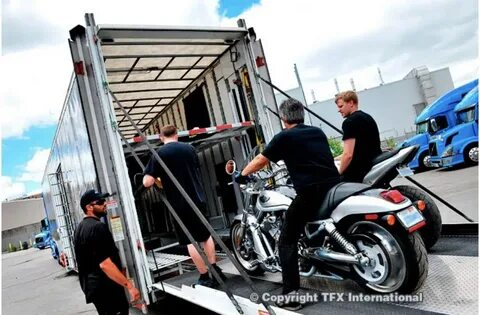
Motorbike shipping is the international transport of motorcycles by sea, using RORO, crate/container shipping, or palletised freight. Costs typically range from £300–£1,200 depending on method and route, with transit times of 1–8 weeks. Crating offers the most protection; RORO is the cheapest option for roadworthy bikes.
What Is Motorbike Shipping?
Motorbike shipping is the process of transporting a motorcycle overseas by sea freight, most commonly via RORO (ridden or wheeled aboard), wooden crate, or shared/exclusive container. Because motorcycles are smaller and lighter than cars, they're often shipped alongside other vehicles in shared space, which keeps costs down compared to full-size vehicle shipping.
Motorbike shipping serves a wide range of needs — personal relocation, classic or collector bikes, adventure riders shipping between continents, and dealers importing/exporting stock.
How Does Motorbike Shipping Work?
The process is similar to car shipping but adapted for the bike's size and stability needs:
- Preparation — fuel is drained to a minimal level, the battery may be disconnected, and mirrors or loose parts are secured or removed.
- Booking and documentation — export/import paperwork is prepared based on origin and destination requirements.
- Port or depot delivery — the bike is delivered for inspection and condition recording, including photos.
- Loading — the bike is either wheeled onto a RORO vessel, secured upright in a crate, or loaded into a shared/exclusive container.
- Securing — motorcycles are strapped upright using wheel chocks and tie-downs to prevent tipping during transit.
- Ocean transit and customs clearance — the vessel sails to the destination port, where the bike clears import customs before release.
Crating is the most common method for motorcycles specifically, since it keeps the bike upright, protected, and separated from other cargo throughout the voyage.
How Much Does It Cost to Ship a Motorbike?
Motorbike shipping typically costs between £300 and £1,200, depending on shipping method, route distance, and whether the bike is shipped solo or shared with other cargo.
| Shipping Method | Typical Cost Range | Best For |
|---|---|---|
| Shared container/consolidated | £300–£600 | Budget-conscious, flexible timing |
| Wooden crate (shared transport) | £500–£900 | Most personal/classic bike shipments |
| Exclusive container | £900–£1,200+ | High-value, custom, or multiple bikes |
Route distance, fuel surcharges, and destination port fees affect final pricing, and duty/import tax is charged separately from the freight cost.
What Is the Best Way to Ship a Motorcycle?
Crating is generally considered the best method for shipping a motorcycle internationally, since it keeps the bike upright, secured, and fully protected from weather and handling throughout transit — a meaningful advantage over open RORO decks.
| Factor | RORO | Crate | Container |
|---|---|---|---|
| Cost | Lowest | Moderate | Highest |
| Protection | Exposed to elements | Fully enclosed | Fully enclosed |
| Handling risk | Higher (open deck) | Lower | Lowest |
| Best for | Roadworthy bikes, budget shipping | Most personal/classic bikes | High-value, multiple bikes |
How Do You Prepare a Motorcycle for Shipping?
Preparing a motorcycle for shipping involves draining most of the fuel, securing or removing loose parts, and photographing the bike's condition before handover.
Standard preparation steps:
- Drain fuel to a quarter tank or less
- Disconnect or secure the battery per carrier instructions
- Remove or fold in mirrors and secure any loose panels
- Deflate tyres slightly if instructed by the carrier (rare, carrier-specific)
- Take timestamped photos of existing scratches, dents, or wear
- Confirm keys and documents are handed over as required
Following the carrier's exact preparation checklist avoids disputes over pre-existing damage and ensures the bike is accepted without delay at the depot.
What Documents Do You Need to Ship a Motorbike?
Standard documentation includes proof of ownership, a valid ID, the bike's registration document, and an export/import declaration, with additional paperwork depending on the destination country.
Commonly required documents:
- Registration document (logbook or equivalent)
- Passport/ID of the owner
- Bill of sale or proof of purchase (for imports)
- Insurance certificate for transit
- Export declaration and customs paperwork
- Destination-country import permit where applicable
Classic or vintage motorcycles may require additional provenance documentation, particularly for high-value collector bikes crossing customs borders.
How Long Does Motorbike Shipping Take?
Transit time depends on route and whether the bike ships in a shared or exclusive container/crate.
| Route Distance | Typical Transit Time |
|---|---|
| Short-haul | 1–2 weeks |
| Medium-haul | 3–5 weeks |
| Long-haul | 5–8 weeks |
Shared/consolidated shipments may take slightly longer at origin while waiting for enough cargo to fill the container, but this reduces cost significantly.
Frequently Asked Questions
Can I ship a non-running motorcycle?
Yes — crate or container shipping accommodates non-running bikes, since they can be wheeled or lifted in without needing to start.
Is it cheaper to ship a motorbike than a car?
Yes, significantly — motorbikes take up far less space, so shipping costs are typically a third to half the price of shipping a standard car on the same route.
Do I need to drain all the fuel before shipping?
No, but most carriers require the tank to be at a quarter full or less for safety and regulatory compliance during transit.
Can I ship multiple motorbikes together to save money?
Yes — sharing a container or crate space between multiple bikes is a common way to reduce per-bike shipping costs on the same route.
Is my motorbike insured during shipping?
Yes, when booked through a reputable shipper, marine insurance typically covers the bike for loading, transit, and discharge.


 English
 Arabic
 Français
 Español
 Português
 Deutsch
 Türkçe
 Dutch
Dutch
 Italiano
 Russian
 Portuguese (Brazil)
 Greek
Greek