


Step-by-Step Instructions to Get an Insurance Brokerage License
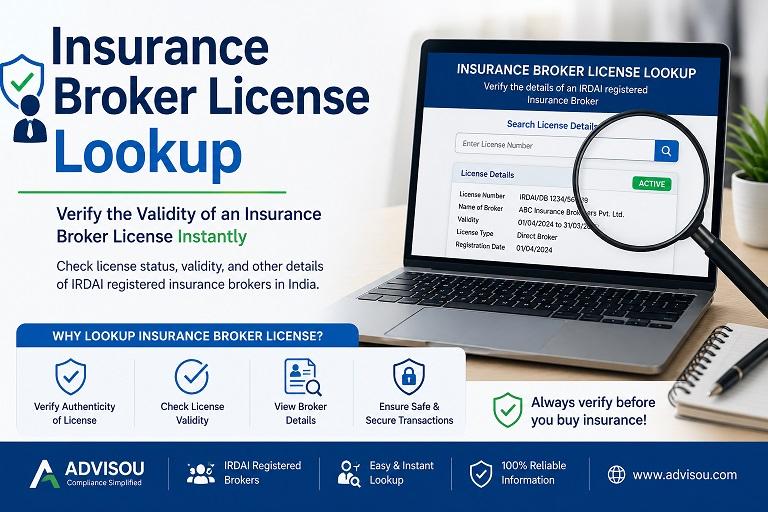
India's distribution landscape is moving from single-company agents to brokerage firms that offer clients a comparative view across multiple insurers. For entrepreneurs and financial services professionals wanting to get into this space, learning how to get an insurance brokerage licence with Advisou can make a document-heavy and closely regulated process under the Insurance Regulatory and Development Authority of India, or IRDAI, much easier.
What Does an Insurance Broker Actually Do?
A corporate agent works for a single insurance company, while a licensed insurance broker works for the client . The broker compares policies from different insurance companies to find the best coverage . They may be direct brokers, placing general and life insurance, or reinsurance brokers working with insurers rather than individual policyholders, or composite brokers licensed to do both.
Types of Brokerage License
IRDAI has three types of brokerage licenses—direct broker, reinsurance broker, and composite broker — with a minimum capital requirement for each. Typically, a direct broker license requires less paid-up capital than a composite license because the latter enables the firm to underwrite both direct client business and reinsurance placements. The category you choose at the beginning will affect your capital plan and the eventual size of the business you can develop.
Eligibility Requirements
For the entity to apply, it has to be registered as a company under the Companies Act with the sole objective of carrying on the insurance brokerage business. This means that the entity cannot do any other commercial business. The directors and key management personnel should possess appropriate professional qualifications or experience in insurance, finance, or a related field and should satisfy the fit and proper criteria of IRDAI (relating to financial soundness and past conduct).
Infrastructure and Capital Requirements
Besides the minimum paid-up capital requirements for the chosen category of broker, applicants are required to have adequate office infrastructure, a professional indemnity insurance policy to cover possible errors/omissions, and trained staff with the requisite IRDAI-recognized brokerage certification. “These infrastructure needs are confirmed during the application review process and, in some cases, a physical inspection of the proposed office.
Application Procedure
The first step is an application for a Certificate of Principal Approval, which is filed along with the company’s incorporation documents, business plan, capital structure, and key personnel. Once IRDAI gives its principal approval, the company completes the other formalities, like setting up an office, professional indemnity insurance, appointing a principal officer, etc. Then it makes an application for the final Certificate of Registration that allows the firm to commence business.
Renewal and Timeline
The process from initial filing to receipt of the final Certificate of Registration usually takes a few months, depending upon the speed with which the queries raised by IRDAI are resolved. Once granted, the brokerage license is valid for three years and has to be renewed on time, along with continued compliance with capital adequacy, reporting, and code of conduct requirements set out by the regulator.
Why Do Founders Work With a Consultant?
The application touches upon company law, insurance regulation, and capital structuring at the same time, and many first-time applicants find it useful to work with a firm that has guided multiple brokerage license applications through IRDAI. The right guidance can make a material difference to the time it takes to move from application to an operational brokerage business, from choosing the right broker category to preparing a business plan that satisfies regulatory expectations.
Gaining Credibility With Insurers and Clients
When a brokerage firm is licensed, the relationship with the insurers and the trust it builds with the clients determine the firm’s long-term success. A broker's standing with IRDAI is also judged on the basis of its good compliance records, timely renewal filings, and transparent disclosure practices with clients. All these factors make it easier for a broker to expand into additional lines of business, such as reinsurance brokerage, over time.
Getting Help Where It Matters
For many founders, the biggest time drain is not the paperwork but trying to understand how IRDAI’s constantly changing guidelines apply to their specific business plan. Having advisors who are aware of regulatory updates and have seen a variety of applications succeed or stall can significantly change the speed to market of a new brokerage firm.
If you are looking at this opportunity and want clear ways to get an insurance brokerage license with Advisou, it helps to look at services that cover everything from entity structuring and documentation to liaison with IRDAI so that you can focus on building your client base once the license is in hand.

 English
 Arabic
 Français
 Español
 Deutsch
 Türkçe
 Dutch
Dutch
 Italiano
 Russian
 Romaian
 Portuguese (Brazil)
 Greek
Greek