


How to Choose an Office Chair for Long Working Hours
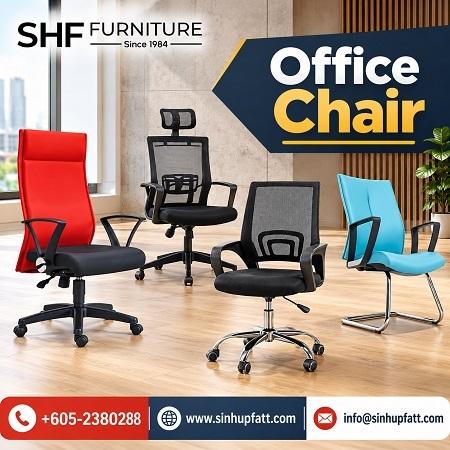
Choosing the right office chair for long working hours means prioritising lumbar support, seat depth, armrest adjustability, and breathable materials. Look for chairs with at least 4–5 adjustment points, including height, tilt tension, and backrest recline. A well-designed ergonomic office chair reduces spinal compression, prevents fatigue, and supports natural posture during extended desk sessions.
If you spend eight or more hours at a desk, your office chair is not just furniture — it is a direct investment in your health and productivity. The wrong seat leads to lower back pain, poor circulation, and long-term musculoskeletal issues. The right one keeps you focused, comfortable, and physically supported through every hour of the workday.
Why Seating Quality Matters More Than Most People Think
According to the Department of Occupational Safety and Health (DOSH) Malaysia, prolonged sitting without proper ergonomic support is one of the leading causes of work-related musculoskeletal disorders among office employees. Many organisations overlook seating when setting up workstations, focusing instead on monitors and desks.
That is a costly mistake. A poor chair does not just cause discomfort — it reduces concentration, increases sick leave, and contributes to long-term health claims. For HR managers overseeing office fit-outs, this makes ergonomic office seating a business decision, not just a comfort preference.
Key Features to Look for in an Office Chair
1. Lumbar Support
The lower back is the first area to suffer during long sitting sessions. A quality office chair should have adjustable lumbar support that fits the natural inward curve of the spine. Fixed lumbar pads often miss the mark for taller or shorter users — adjustable lumbar systems are far more effective across a diverse workforce.
2. Seat Height and Depth Adjustment
Seat height should allow your feet to rest flat on the floor with your knees at roughly a 90-degree angle. Seat depth matters just as much — there should be a two-to-three finger gap between the back of your knees and the front edge of the seat. This prevents pressure on the thighs and improves lower-body circulation.
3. Armrest Flexibility
Fixed armrests are one of the most overlooked problems in office seating. Adjustable armrests — ideally 4D (height, width, depth, pivot) — allow users to position their arms correctly for typing, reducing shoulder and neck strain. For shared workstations or hot-desking environments, this flexibility is essential.
4. Backrest Recline and Tilt Tension
A rigid upright backrest sounds professional but works against the body over time. Look for chairs with a recline range of at least 100–135 degrees and adjustable tilt tension. Being able to lean back slightly during calls or reading tasks redistributes spinal pressure and reduces fatigue across the working day.
5. Breathable Seat Material
In Malaysia's warm climate, mesh backrests and breathable seat foam are not a luxury — they are a functional necessity. A comfortable office chair should promote airflow to prevent heat buildup during long hours. Full mesh designs are popular in tropical office environments for exactly this reason.
Ergonomic Office Chair vs Standard Office Chair: What Is the Difference?
|
Feature |
Standard Chair |
Ergonomic Chair
|
|---|---|---|
|
Lumbar Support |
Fixed or none |
Adjustable, contoured |
|
Seat Depth |
Fixed |
Sliding adjustment |
|
Armrests |
Fixed height |
Multi-directional |
|
Recline |
Minimal or none |
Full tilt with tension control |
|
Headrest |
Rarely included |
Often adjustable |
|
Material |
Foam, fabric |
Mesh, breathable foam |
|
Long-Hour Suitability |
Low |
High |
How to Match a Chair to Your Work Style
Not all desk jobs are the same. A software developer who codes for six hours straight has different seating needs compared to a manager who alternates between meetings, calls, and desk work. Here is how to think about it:
-
Heavy computer users: Prioritise lumbar support, adjustable armrests, and forward tilt for focused posture.
-
Meeting-heavy roles: A reclinable backrest with headrest support helps during long video calls or reading sessions.
-
Hot-desking environments: Choose an adjustable chair with a wide height and seat range to accommodate different users easily.
-
HR managers procuring in bulk: Look for durability ratings, warranty coverage, and BIFMA certification to ensure long-term value.
What Is the Right Budget for an Ergonomic Office Chair in Malaysia?
In Malaysia, quality ergonomic office chairs typically range from RM 800 to RM 3,500 depending on the brand, materials, and adjustment features. Budget chairs under RM 500 rarely offer the necessary adjustability for all-day use and tend to degrade faster under daily wear.
For companies equipping an entire office, consider the total cost of ownership. A RM 1,500 chair that lasts eight years and reduces sick days delivers far better ROI than a RM 400 replacement every two years. Many Malaysian businesses now include ergonomic seating in their workplace wellness policies as a measurable employee welfare benefit.
Red Flags to Avoid When Buying an Office Chair
-
No lumbar adjustment — especially risky for tall or shorter users
-
Non-breathable full foam seats — uncomfortable in warm office spaces
-
Armrests that do not move — limit typing comfort and shoulder positioning
-
No stated weight capacity — a safety and durability concern
-
Chairs marketed as "ergonomic" without certification or measurable specs
The Role of Seat Testing Before Buying
Whenever possible, try a chair before purchasing — especially for high-use office environments. Pay attention to how your lower back feels after 15 minutes of sitting, whether your feet rest flat naturally, and if the armrests allow your shoulders to stay relaxed. These short tests reveal far more than product images or specification sheets.
For bulk procurement, requesting a trial unit before committing to a full office order is standard practice among experienced HR managers and facilities teams in Malaysia.
Choosing the Right Chair for Your Office
The best office chair is the one that fits your specific body, work habits, and environment — not just the most expensive model on the shelf. Focus on adjustability, support, and breathability as your three non-negotiables. Everything else is secondary.
If you are equipping a corporate space or upgrading individual workstations, SHF Furniture Sdn Bhd offers a curated range of office seating solutions designed for the Malaysian work environment — built to support comfort, productivity, and long-term physical wellbeing.
FAQ
What makes an office chair suitable for long working hours?
An office chair suitable for long hours must have adjustable lumbar support, breathable materials, seat depth control, and a reclinable backrest. These features reduce spinal pressure and prevent fatigue. Without proper adjustability, even premium chairs can cause discomfort during extended sitting sessions.
Is an ergonomic office chair worth the investment for businesses?
Yes. Ergonomic office chairs reduce musculoskeletal complaints, lower absenteeism, and improve focus among employees. For businesses in Malaysia, investing in ergonomic seating aligns with workplace wellness best practices and can reduce long-term costs related to employee health issues and chair replacements.
How do I know if my office chair fits me correctly?
Your feet should rest flat on the floor, knees at 90 degrees, and there should be a small gap between your knees and the seat edge. The lumbar support should press gently against your lower back curve. If you feel any pressure points within 20 minutes, the chair likely does not fit correctly.
What is the difference between mesh and foam office chairs?
Mesh chairs offer better airflow and are more suitable for warm climates like Malaysia, reducing heat buildup during long sitting periods. Foam chairs tend to offer more cushioned support but can retain heat. Many high-quality ergonomic chairs combine a mesh back with contoured foam seating for the best of both.
How often should office chairs be replaced in a corporate setting?
Quality ergonomic office chairs typically last seven to ten years with regular use, while budget options may need replacement within two to three years. HR managers should assess chair condition annually, checking for worn foam, weakened gas cylinders, and loose adjustment mechanisms to ensure ongoing employee support and safety.
Can the wrong office chair cause long-term health problems?
Yes. Poor seating contributes to chronic lower back pain, poor posture, neck strain, and reduced circulation. The Department of Occupational Safety and Health Malaysia recognises prolonged poor sitting posture as a significant risk factor for work-related musculoskeletal disorders, particularly among office workers who sit for more than six hours daily.
Read Also:- How to Choose the Right Banquet Table for Different Events
How to Choose Beds for Hostels, Dormitories and Shared Rooms

 English
 Arabic
 Français
 Español
 Português
 Deutsch
 Türkçe
 Dutch
Dutch
 Italiano
 Russian
 Romaian
 Portuguese (Brazil)