


How to Choose Safe Cleaning Chemical Products for Food & Beverage Outlets in Malaysia
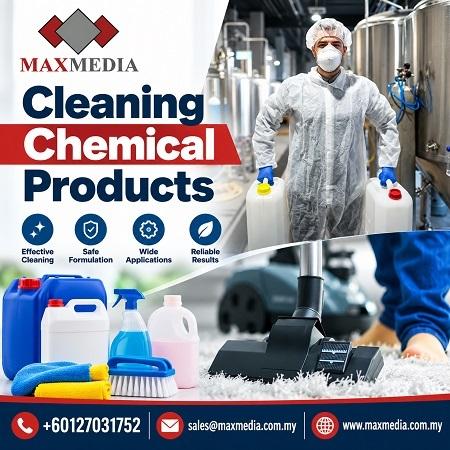
Choosing the right cleaning chemical products for your F&B outlet means selecting formulas that are effective against pathogens, safe for food-contact surfaces, and fully compliant with Malaysian health regulations. Look for products certified by the Ministry of Health Malaysia, free from harmful residues, and appropriate for your specific kitchen or dining surfaces. The wrong choice risks fines, failed inspections, and customer health hazards.
Why Cleaning Chemical Choices Matter More Than You Think
Running a food and beverage outlet in Malaysia comes with serious responsibility. Beyond great food and service, hygiene compliance is a legal obligation — not a preference. Under the Food Hygiene Regulations 2009, food premises operators must maintain clean and sanitary conditions at all times. Failure to comply can result in compounds, closure orders, or prosecution.
Yet many F&B operators still purchase cleaning products based purely on price or habit. That approach is risky. Not all cleaning chemicals are formulated for food-safe environments. Some leave toxic residues on surfaces. Others are too corrosive for commercial kitchen equipment. Making an informed choice protects your customers, your staff, and your business licence.
What Makes a Cleaning Chemical "Food-Safe"?
A food-safe cleaning chemical is one that effectively removes grease, bacteria, and contaminants — without leaving behind residues that could contaminate food. There are a few core properties to look for:
-
No harmful residue after rinsing: Chemicals must break down or rinse away completely, leaving no trace on food-contact surfaces like chopping boards, prep counters, and utensils.
-
Approved active ingredients: Look for formulations that use food-grade or approved sanitising agents such as quaternary ammonium compounds (QUATs), chlorine-based sanitisers, or hydrogen peroxide at appropriate concentrations.
-
pH-appropriate for the surface: Using a highly alkaline degreaser on stainless steel equipment, or an acidic descaler on food-contact plastics, can cause material degradation and contamination risk.
-
Clearly labelled dilution ratios: Proper dilution ensures efficacy and safety. Overconcentrated solutions can be hazardous; under-diluted ones are ineffective against pathogens.
Malaysian Regulations You Need to Know
Food Hygiene Regulations 2009
Enforced by the Ministry of Health Malaysia (MOH), these regulations require all food premises — from mamak stalls to hotel restaurants — to use cleaning and sanitising methods that prevent contamination. Chemical sanitisers must be used at effective concentrations and must not pose a health risk to consumers.
Occupational Safety and Health Act (OSHA) 1994
This act governs the safe storage and handling of hazardous chemicals in the workplace. F&B operators must provide proper Safety Data Sheets (SDS) for all cleaning chemicals on-site, ensure staff are trained in correct usage, and store products away from food preparation areas.
Department of Environment (DOE) Waste Disposal Rules
Chemical waste — including used cleaning solutions — must be disposed of in compliance with local environmental regulations. Pouring concentrated chemicals directly down floor drains without dilution can violate DOE guidelines and attract penalties.
How to Choose the Right Cleaning Chemical Products: A Step-by-Step Approach
Step 1: Identify the Surface and Soil Type
Different areas of your outlet require different chemical formulations. A floor degreaser for your kitchen tiles is not the same product you should use on your refrigeration unit seals. Map out your cleaning zones — kitchen, front of house, food prep surfaces, restrooms — and match the chemical to the surface and the type of soiling (grease, mineral deposits, organic waste, etc.).
Step 2: Check for MOH Registration or Relevant Certification
Always verify that the products you purchase are registered or approved for use in Malaysia. For sanitisers and disinfectants used in food premises, check whether the product appears on the MOH's list of approved biocidal products. Products with NSF International certification (particularly NSF Category D1 or A1) are globally recognised for food-safe applications and are a reliable quality benchmark.
Step 3: Evaluate the Concentration and Dilution System
Concentrated products that use a dilution system (wall-mounted dispensers or measured dosing) tend to be more cost-effective and safer than ready-to-use bottles in high-volume F&B settings. They also reduce chemical waste and storage requirements. Ensure your supplier provides clear dilution guides and offers training for staff.
Step 4: Request Safety Data Sheets Before Purchasing
A legitimate supplier will always provide an SDS for every product. This document outlines hazard classifications, safe handling procedures, first aid measures, and proper disposal methods. If a supplier cannot provide an SDS, that is a red flag — do not purchase.
Step 5: Match the Chemical to Your F&B Hygiene Protocol
Your cleaning schedule should specify which product is used at each stage — pre-rinse, wash, rinse, sanitise, and dry. Using the wrong product at the wrong stage (for example, applying a sanitiser before removing surface grease) significantly reduces effectiveness. A structured protocol also makes staff training more consistent.
Common Mistakes F&B Operators Make With Cleaning Chemicals
|
Mistake |
Why It's a Problem |
Better Approach
|
|---|---|---|
|
Mixing different chemical products |
Can produce toxic fumes (e.g., chlorine gas) |
Use one product per task; never combine |
|
Skipping the rinse step after sanitising |
Chemical residue contaminates food |
Follow manufacturer's rinse instructions |
|
Using household cleaners in commercial kitchens |
Not formulated for high-volume or food-contact use |
Use commercial-grade, food-safe certified products |
|
Inconsistent dilution by staff |
Under-dilution wastes product; over-dilution is dangerous |
Invest in a measured dosing system |
|
Storing chemicals near food ingredients |
Risk of accidental contamination |
Maintain a separate, labelled chemical storage area |
F&B Hygiene Malaysia: What Health Inspectors Look For
During routine inspections by local authorities such as the Municipal Council (Majlis Perbandaran) or district health offices, inspectors assess more than just cleanliness. They check whether correct chemicals are being used, whether SDS documentation is available on-site, whether staff can demonstrate proper dilution procedures, and whether chemicals are stored and labelled correctly.
According to reports from the Ministry of Health Malaysia, food-borne illness outbreaks remain a concern in the country, with a significant proportion linked to poor sanitation practices in food premises. Proper chemical selection and application is one of the most direct ways to reduce this risk and avoid being flagged during inspections.
Questions to Ask Your Cleaning Chemical Supplier
Not all suppliers offer the same quality or support. Before committing to a product range, ask these questions:
-
Are your products registered or approved for use in food premises in Malaysia?
-
Do you provide Safety Data Sheets for every product?
-
Can you offer staff training or application guidance?
-
Do your products comply with the Food Hygiene Regulations 2009?
-
What dilution system do you recommend for high-volume commercial kitchens?
A supplier who cannot confidently answer these questions is unlikely to support your compliance requirements in the long run.
Choosing a Reliable Supplier Makes the Difference
Product quality aside, the supplier relationship matters enormously. For F&B operators in Malaysia, working with a supplier who understands local regulatory requirements, provides full documentation, and offers ongoing technical support is far more valuable than simply buying the cheapest option on the shelf.
MaxMedia offers a range of commercial cleaning chemical products suitable for food and beverage environments, backed by proper documentation and product guidance for Malaysian operators. Explore their cleaning chemical solutions to find formulations that align with your hygiene protocol and compliance needs.
Frequently Asked Questions
What cleaning chemicals are approved for use in food premises in Malaysia?
Cleaning chemicals used in Malaysian food premises should comply with the Food Hygiene Regulations 2009 and, for sanitisers and disinfectants, be listed under MOH-approved biocidal products. NSF-certified products (categories A1 or D1) are also widely accepted benchmarks for food-safe chemical safety in commercial kitchens.
Can I use regular household cleaning products in my restaurant kitchen?
No. Household cleaning products are not formulated for commercial food-contact surfaces and may not meet the efficacy or safety standards required under Malaysian food hygiene regulations. Always use commercial-grade, food-safe cleaning chemicals specifically labelled for use in food premises or catering environments.
How often should F&B outlets clean and sanitise food-contact surfaces?
Food-contact surfaces should be cleaned and sanitised after every use, or at minimum every four hours during continuous operation. High-touch areas like prep counters, cutting boards, and handles require more frequent attention. Your cleaning schedule should follow the guidelines outlined in the Food Hygiene Regulations 2009.
What is the difference between cleaning and sanitising in a food outlet?
Cleaning removes visible dirt, grease, and food residues using detergents. Sanitising reduces microbial contamination to safe levels using approved chemical sanitisers. Both steps are required — sanitising alone is ineffective on a dirty surface, and cleaning alone does not eliminate harmful bacteria or viruses in an F&B setting.
Are Safety Data Sheets (SDS) required for cleaning chemicals in Malaysian F&B businesses?
Yes. Under the Occupational Safety and Health Act 1994, employers must maintain SDS for all hazardous chemicals on-site, including cleaning products. Staff must be trained in safe handling, and SDS must be accessible in the workplace. Health inspectors may request these documents during routine premise audits.
How do I train my staff to use cleaning chemicals safely?
Start with SDS review for each product, then conduct hands-on training covering correct dilution, application method, contact time, and rinsing procedures. Post visual guides near cleaning stations in the local language. Request supplier-led training sessions where possible, and refresh training whenever a new product is introduced to your outlet.
Read Also:- Complete Guide to Finding Reliable House Cleaning Services in Johor Bahru
How Often Should You Get Your Carpet Professionally Cleaned in Johor Bahru?

 English
 Arabic
 Français
 Español
 Português
 Türkçe
 Dutch
Dutch
 Italiano
 Russian
 Romaian
 Portuguese (Brazil)
 Greek
Greek