


What Homeowners Should Know Before Installing a New Roof
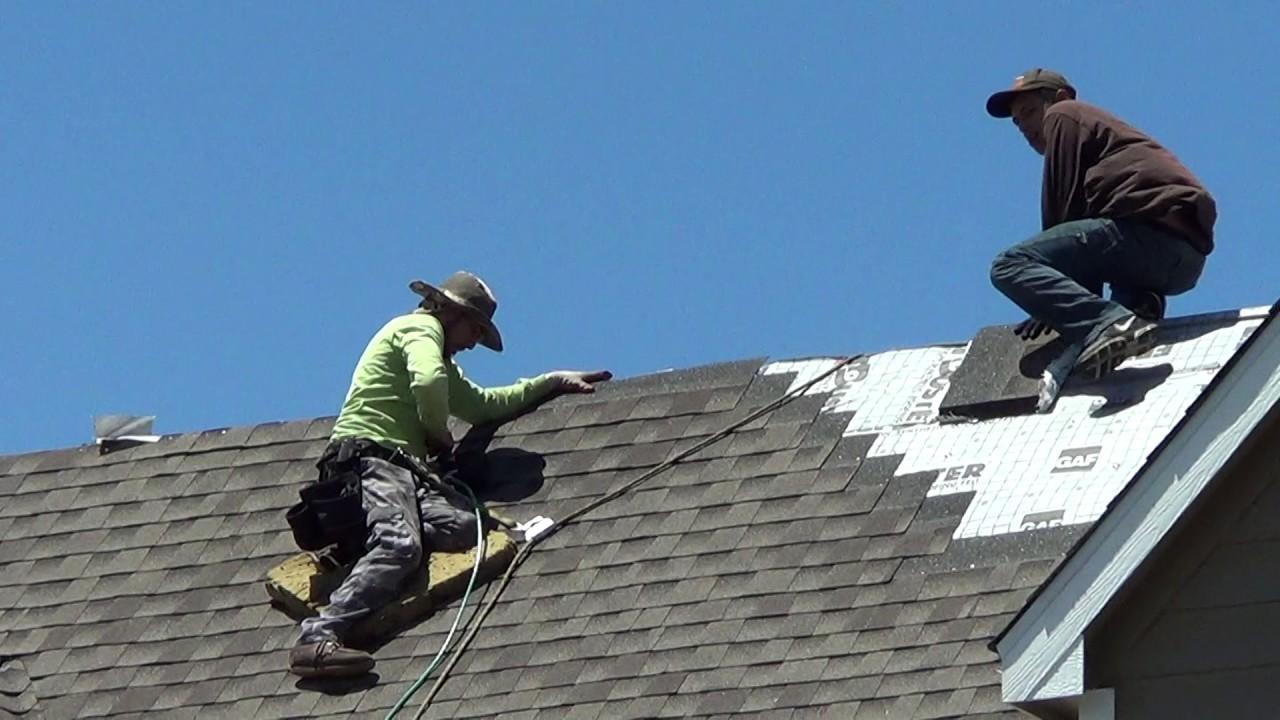
A new roof is one of the most important investments a homeowner can make in a property's long-term protection. Beyond improving curb appeal, a properly installed roofing system helps protect the structure from moisture, wind, hail, and changing temperatures. However, successful roof installation involves more than selecting shingles and scheduling a crew. Material choices, roof design, ventilation, flashing, and preparation all influence how the finished system performs.
For homeowners planning residential roof installation services, understanding the process before work begins can make it easier to compare estimates, choose suitable materials, and prepare for construction. A well-planned project starts with the home's specific needs rather than a one-size-fits-all roofing solution.
Start With a Thorough Roof Assessment
Before choosing materials, determine what the home actually requires. A new construction project and a roof replacement may involve different planning considerations. New construction requires a roofing system that fits the building design, while replacement work begins with an assessment of the existing roof and any problems that need attention.
An inspection should consider the roof's shape, slope, drainage, existing materials, flashing, and visible signs of deterioration. For a replacement, the contractor should also explain how the existing materials will be removed and how the roof deck will be evaluated once exposed.
Look for issues such as recurring leaks, missing or damaged shingles, deteriorated flashing, and signs of moisture in the attic. These conditions do not always mean the entire roof must be replaced, but they should be investigated before the project scope is finalized.
The assessment should also consider ventilation and insulation. Poor attic ventilation can contribute to moisture buildup and unwanted heat accumulation, depending on the home's design. Addressing these concerns during installation can help support the performance of the overall roofing system.
Choose Roofing Materials for Local Conditions
Roofing materials influence appearance, maintenance requirements, upfront cost, and expected service life. Homeowners should compare products based on the property's design, local weather exposure, budget, and manufacturer recommendations.
Asphalt shingles are a common residential option because they are available in different colors and styles. They can suit a variety of home designs, and individual shingles may be repairable when damage is localized and compatible replacement materials are available.
Metal roofing offers another option for homeowners interested in a different appearance and durability characteristics. The actual performance depends on the selected product, panel design, fastening method, and installation quality.
Rather than choosing a material based on appearance alone, ask contractors to explain its advantages, maintenance requirements, warranty conditions, and suitability for the roof's slope and structure.
It is also important to compare complete roofing systems rather than individual surface materials. Underlayment, flashing, ventilation components, edge details, and installation accessories all contribute to how the roof performs.
Why Weather Matters in Colorado Springs
Colorado Springs homeowners need to consider the region's changing weather when planning a roof installation. Hail, wind, strong sunlight, and temperature fluctuations can place different demands on roofing materials over time.
Hail exposure is particularly important when comparing products. Homeowners should ask about the specific product's tested impact-resistance classification, if applicable, and understand that a classification does not guarantee that a roof will never sustain hail damage.
Wind resistance also depends on the roofing product, fastening method, roof design, and installation quality. Correctly installed materials and properly detailed roof edges help the system perform as intended under the conditions for which it was designed.
Strong sunlight and ultraviolet exposure can contribute to the aging of roofing materials. Selecting products intended for the local environment and following the manufacturer's installation requirements can help homeowners make a more informed choice.
Those researching residential roof installation in Colorado Springs, CO should ask contractors how local weather considerations influence material selection, fastening details, flashing, and the overall installation plan.
Scheduling matters, too. Roofing work depends on suitable weather conditions, and rain, high winds, or temperatures outside a product's recommended installation range can affect progress. A contractor should explain how weather-related delays will be handled and how the home will be protected if work must pause.
Understand the Main Stages of Roof Installation
Knowing what happens during installation helps homeowners prepare their property and understand the contractor's estimate.
For a replacement, the work commonly begins with protecting the surrounding property and removing the existing roofing materials when required by the project scope. The exposed roof deck is then examined for damage. Any necessary repairs should be identified and addressed before the new roofing system is installed.
The contractor proceeds with the appropriate underlayment, flashing, edge details, and roofing materials according to the product specifications and applicable building requirements. Particular attention should be given to roof valleys, vents, chimneys, and other areas where water could enter if the details are not handled correctly.
Ventilation components and other system elements should be installed as required by the roof design. The final stages generally include checking the completed work, removing debris, and ensuring that the surrounding property is left in an appropriate condition.
Homeowners should ask how long each stage is expected to take and whether access to the driveway, yard, or entrances will be affected. A clear explanation of the process can help reduce uncertainty during construction.
Compare Roofing Estimates Carefully
Price is an important part of any roofing decision, but estimates should be compared based on the work included rather than the final number alone.
A detailed proposal should identify the roofing materials, removal requirements, preparation, underlayment, flashing, ventilation work where applicable, cleanup, and disposal. It should also explain how hidden damage will be handled if problems are discovered after the existing materials are removed.
Ask whether the estimate includes all planned labor and materials or whether certain items will be charged separately. Clarify payment milestones, expected scheduling, and the process for approving changes.
Warranty information deserves particular attention. A manufacturer's product warranty and a contractor's workmanship warranty are not necessarily the same. Review the terms, coverage limitations, and any installation or maintenance conditions before signing an agreement.
Comparing proposals with similar scopes of work makes it easier to identify meaningful differences. An unusually low estimate may omit important components or assume that no additional preparation will be needed.
Prepare Your Home Before Installation Begins
Roof installation can create noise, vibration, and falling debris. Preparing the property in advance helps protect belongings and makes the work easier to manage.
Move vehicles away from the immediate work area where possible. Clear patios and outdoor furniture, secure loose items, and discuss how landscaping will be protected. If you have an attic or upper-floor rooms directly beneath the roof, consider moving fragile items away from areas where vibration could disturb them.
Keep children and pets away from the work zone, and follow the contractor's instructions about entrances and access. If you work from home, plan for periods of noise during removal and installation.
It is also useful to agree on how updates will be communicated. Knowing whom to contact about scheduling, unexpected discoveries, or changes to the scope helps prevent confusion during the project.
Maintain the New Roof After Installation
A new roof still benefits from periodic inspections and routine attention. Check for visible damage after significant storms, and watch for signs of moisture inside the home. Professional inspections can help identify problems that may not be visible from the ground.
Keep gutters and drainage paths clear so water can move away from the roof properly. Pay attention to flashing and roof penetrations, since these areas may require maintenance as materials age.
Avoid walking on the roof unnecessarily, as this can damage certain materials and create safety risks. If a concern develops, arrange a professional assessment rather than attempting a risky inspection yourself.
Keep copies of the installation agreement, material information, warranties, and any inspection records. These documents can be useful when arranging future maintenance or evaluating a possible repair.
Make Your Roof Installation a Well-Planned Investment
A reliable roofing project combines appropriate materials, careful preparation, correct installation details, and clear communication. By assessing the home's needs, comparing complete estimates, and planning for local weather conditions, homeowners can approach a new roof with greater confidence.
For homeowners considering roofing improvements, J. Turner Roofing provides residential roof installation, replacement, inspections, and repair services. Discussing the property's requirements and reviewing the proposed installation scope can help you make an informed decision about protecting your home.

 English
 Arabic
 Français
 Español
 Português
 Türkçe
 Dutch
Dutch
 Italiano
 Russian
 Romaian
 Portuguese (Brazil)
 Greek
Greek