


Why Is Your Oven Heating Unevenly? Causes, Temperature Problems, and Solutions
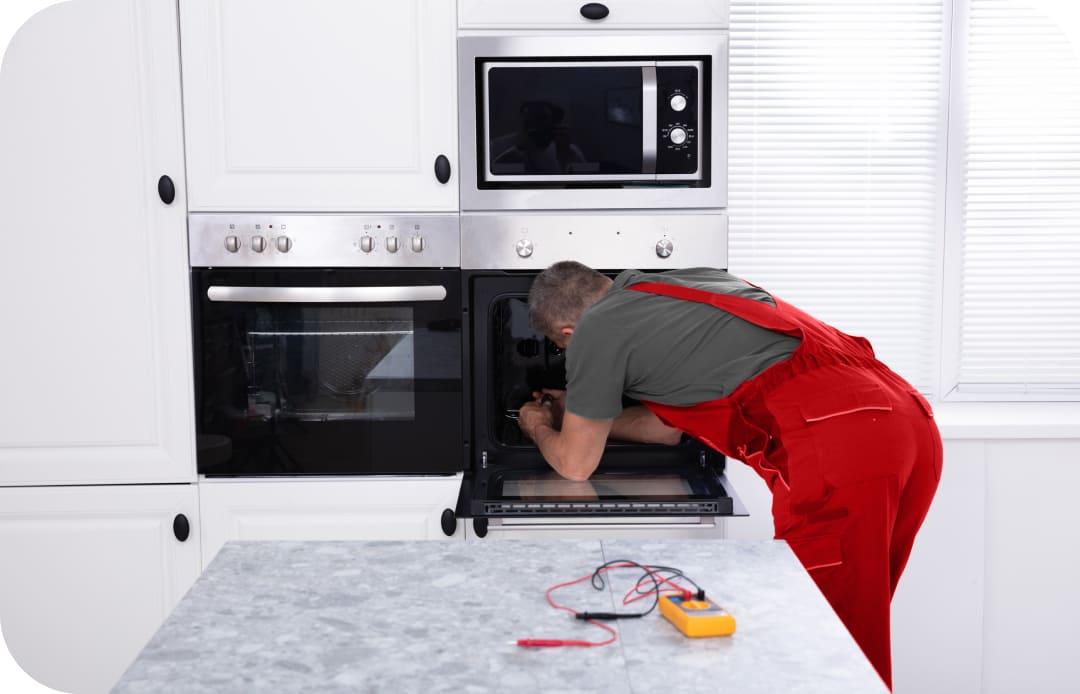
A meal that burns on one side while remaining undercooked on the other can be frustrating, especially when the same recipe usually turns out well. Uneven oven heating may result from something as simple as poor rack placement or an obstructed vent, but it can also indicate a problem with a heating element, temperature sensor, or control system. Understanding the possible causes helps homeowners decide which adjustments are safe to try and when Oven repair may be necessary.
Start With the Way You Use the Oven
Before assuming a component has failed, consider how the oven is loaded and operated. Placing several large dishes inside at once can restrict airflow and change how heat moves around the cavity. A baking tray positioned too close to a wall or heating element may also affect the results.
Use the rack position recommended by the recipe and leave enough space around cookware for air circulation. Avoid covering the oven floor with foil unless the manufacturer specifically permits it, because doing so can interfere with heat distribution or damage the appliance.
If food continues to cook unevenly after these adjustments, investigate other possible causes rather than repeatedly changing cooking times and temperatures.
Common Causes of Uneven Oven Heating
A Faulty Heating Element
Electric ovens generally use heating elements to produce heat for baking and broiling. If an element is damaged or no longer operates correctly, the oven may struggle to reach the selected temperature or distribute heat as intended.
Visible blistering, cracks, or damaged areas can be warning signs, although not every element problem is obvious. Some ovens cycle their elements on and off during normal operation, so an element that is not glowing continuously does not automatically mean it has failed.
Do not touch or remove an element while the oven is connected to power or still hot. If you notice physical damage or persistent heating problems, arrange an appropriate inspection.
Temperature Sensor Problems
Many modern ovens use a temperature sensor to monitor the internal temperature and help regulate heating. If the sensor provides inaccurate readings, the oven may heat beyond the selected setting or switch off before reaching the desired temperature.
A common sign is a noticeable difference between the selected temperature and the actual cooking results. For example, a cake may remain undercooked even when the oven has been running for the expected amount of time.
An oven thermometer can help determine whether the temperature appears consistently inaccurate. However, normal temperature cycling can cause readings to fluctuate, so one measurement may not provide a complete diagnosis. Persistent discrepancies may require testing of the sensor and related controls.
Damaged Door Gasket or Poor Door Closure
An oven door must close properly to retain heat. If the gasket is worn, torn, or displaced, hot air may escape, making it harder for the appliance to maintain its temperature.
Inspect the seal when the oven is completely cool. Look for visible damage, trapped food debris, or sections that no longer sit correctly. Clean the gasket according to the manufacturer's instructions and check whether the door closes fully.
If the door is misaligned or the seal is damaged, avoid improvised fixes that could interfere with safe operation. A suitable replacement or adjustment may be needed.
Convection Fan Issues
Convection ovens use a fan to circulate hot air around the cooking cavity. This circulation can help food cook more evenly, but a malfunctioning fan may reduce airflow and create inconsistent results.
Warning signs can include unusual fan noises, weak air movement, or cooking results that differ significantly between rack positions. First, confirm that the selected cooking mode is supposed to use the fan; some settings do not operate it continuously.
If the fan appears to be malfunctioning, internal inspection should be left to a qualified technician. The problem could involve the fan motor, its controls, or another component affecting circulation.
Ignition or Gas Supply Problems
Gas ovens rely on a functioning ignition system and a controlled gas supply to produce heat. Ignition faults or burner problems may cause delayed heating, inconsistent temperatures, or an oven that fails to reach the selected setting.
If your oven repeatedly struggles to ignite, makes unusual ignition sounds, or produces an unexpected gas odor, do not attempt to dismantle the burner or ignition system. If you smell gas, avoid operating electrical switches or creating flames, leave the area, and contact your gas supplier or emergency services from a safe location as appropriate.
Gas-related problems should be assessed by a qualified professional who can identify the cause and confirm safe operation.
How to Check Whether Your Oven Temperature Is Accurate
If the oven appears to heat unevenly, use an oven thermometer to compare the actual temperature with the selected setting. Place it according to its instructions, allow the oven to preheat fully, and observe the reading over a period of time.
Avoid drawing conclusions from a single reading. Many ovens cycle above and below the selected temperature as they regulate heat. If the temperature remains substantially different from the setting over repeated checks, consult the owner's manual for guidance on calibration or arrange an inspection.
Some models allow temperature calibration through their control panel, while others require a different procedure. Follow the instructions for your specific model rather than changing settings at random.
Homeowners searching for oven repair in Morehead, KY should describe the symptoms clearly, including whether the oven takes too long to preheat, burns food on one side, or fails to maintain a consistent temperature. These details can help narrow down the possible causes.
When Should You Arrange an Oven Inspection?
A few basic adjustments can resolve cooking inconsistencies, but persistent problems deserve attention. Consider arranging an inspection if:
-
The oven repeatedly undercooks or burns food at the same setting.
-
Preheating takes noticeably longer than usual.
-
The temperature differs significantly from the selected setting.
-
The oven shuts off unexpectedly or fails to heat.
-
The heating element shows visible damage.
-
The fan produces unusual noises or stops circulating air.
-
The oven displays an error code that remains after the recommended basic checks.
If you are looking for Oven repair near me, compare providers based on their experience with your oven type, the inspection process, and whether they explain the expected cost before proceeding. Gas and electric models can have different faults, so sharing the brand and model number may also help determine what kind of service is appropriate.
How to Prevent Uneven Heating in the Future
Regular care can reduce avoidable cooking problems and help you notice changes in performance early.
Keep the oven interior clean using methods approved by the manufacturer. Grease and food residue can create smoke and odors, while unsuitable cleaning products may damage interior surfaces. Check the door seal periodically and avoid slamming the door or placing heavy objects against it.
Use cookware that suits the oven and the recipe. Dark metal pans, glass dishes, and insulated baking sheets can absorb and transfer heat differently, affecting cooking times and browning. When a recipe calls for a particular rack position, follow that guidance unless your appliance manual recommends otherwise.
Allow adequate preheating time and avoid opening the door repeatedly to check food. Each opening releases heat and can extend cooking time. If your oven has several cooking modes, choose the one intended for the dish rather than assuming every setting distributes heat in the same way.
Finally, pay attention to changes. A familiar recipe that suddenly produces inconsistent results may reveal a developing appliance problem. Recording the temperature setting, cooking mode, and symptoms can provide useful information if an inspection becomes necessary.
Getting Back to Consistent Cooking
An oven that heats unevenly does not always need a major repair. Rack placement, overcrowding, and incorrect cooking settings can affect results, while damaged elements, sensor faults, fan problems, and ignition issues may require technical attention. Identifying the likely cause before attempting repairs helps prevent unnecessary expense and unsafe troubleshooting. For households experiencing persistent oven problems, turning to Local Appliance repair companies is one of the service considerations when dealing with a gas-powered model that heats inconsistently or struggles to ignite. Feeney Brothers Enterprise lists oven repair for gas and electric models. Homeowners can contact the company to discuss the symptoms and determine the appropriate next step.

 English
 Arabic
 Español
 Português
 Deutsch
 Türkçe
 Dutch
 Italiano
 Russian
 Romaian
 Portuguese (Brazil)
 Greek