


What Is Facial Plastic Surgery Used For?

Facial appearance can influence how a person expresses emotions, feels about their features, and presents themselves to the world. Facial plastic surgery offers different surgical procedures designed to reshape, refine, or restore facial structures according to individual needs. People may consider these treatments to address changes associated with ageing, improve facial proportions, correct structural concerns, or restore features following an injury. Understanding the purpose of each procedure helps individuals make informed decisions about their appearance and personal goals. Plastic Surgery Dubai is a search term often associated with exploring facial procedures, their applications, and the possibilities for achieving balanced, natural-looking results.
What Is Facial Plastic Surgery?
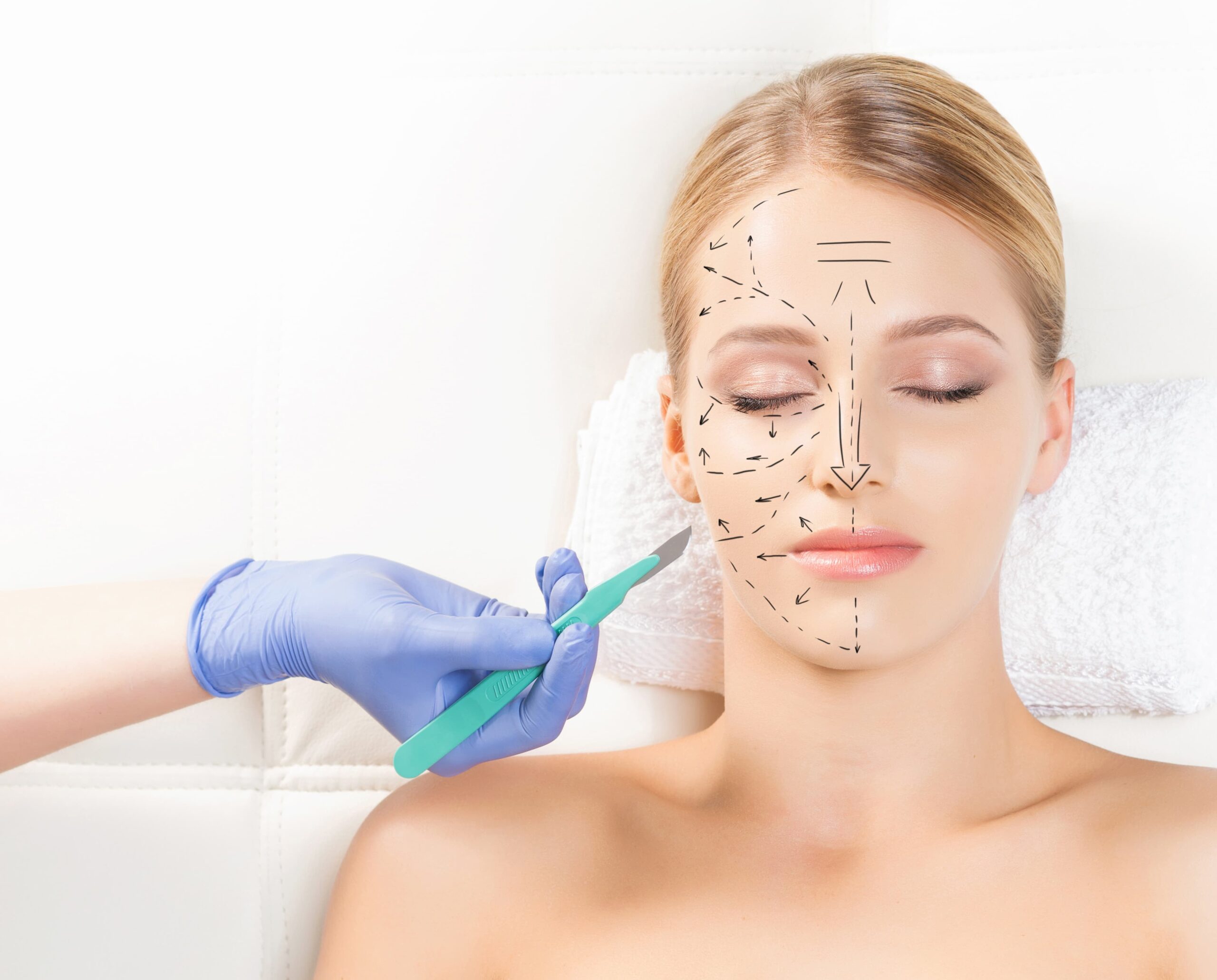
Facial plastic surgery is a specialised area of surgery that focuses on the appearance, structure, and, in some cases, function of facial features. It may involve reshaping the nose, adjusting the eyelids, refining the ears, lifting facial tissues, or improving the contours of the chin and neck. Some procedures are primarily cosmetic, while others address structural concerns that affect everyday activities.
The main purpose is to achieve an outcome that suits the individual's facial anatomy and personal needs. Rather than changing every feature, a carefully planned procedure aims to maintain facial harmony and preserve natural expressions.
What Is Facial Plastic Surgery Used For?
Facial plastic surgery can address several concerns involving the upper, middle, and lower portions of the face. The appropriate procedure depends on the specific feature, the underlying concern, and the individual's overall health.
Improving Facial Balance and Proportions
Some people feel that one facial feature appears more prominent or less balanced than the surrounding structures. Surgical procedures may refine the nose, chin, ears, or jawline to create more harmonious proportions. The objective is to complement existing facial characteristics rather than create an entirely different appearance.
Addressing Visible Signs of Ageing
As people age, facial skin can lose elasticity, and underlying tissues may gradually shift. This can contribute to loose skin around the cheeks, jawline, eyelids, and neck. Certain surgical procedures reposition or remove selected tissues to create a firmer, more refreshed appearance.
Correcting Structural Concerns
Facial surgery may also address structural differences that have existed since birth or developed following an injury. Depending on the concern, treatment may improve the shape of a facial feature or support its normal function. A detailed assessment helps determine whether surgery is appropriate.
Restoring Facial Features
In some situations, facial surgery is used to reconstruct or restore tissues affected by trauma, previous surgery, or certain medical conditions. Reconstructive procedures focus on improving structure and, when possible, supporting functions such as breathing, eyelid movement, or facial symmetry.
What Are the Main Types of Facial Plastic Surgery?
Different procedures target different facial structures. Understanding their individual purposes can help people identify which treatment may be relevant to their concerns.
Rhinoplasty for Nose Reshaping
Rhinoplasty changes the shape or structure of the nose. It may be used to refine the nasal bridge, adjust the tip, alter the overall proportions, or address certain structural problems affecting airflow. The surgical plan depends on the person's nasal anatomy, breathing needs, and desired changes.
Blepharoplasty for Eyelid Concerns
Blepharoplasty, commonly known as eyelid surgery, addresses excess skin and selected tissue around the upper or lower eyelids. It may help improve the appearance of heavy upper eyelids or under-eye bags. In certain cases, excess upper eyelid skin can also interfere with the field of vision, making functional assessment important.
Facelift for Facial Rejuvenation
A facelift is designed to address sagging tissues and changes in the lower face and jawline. Depending on the technique, it may reposition deeper tissues and remove excess skin to improve facial definition. It does not stop the natural ageing process, but it can produce longer-lasting changes in facial contours.
Brow Lift for the Forehead
A brow lift raises or repositions the eyebrows and may soften the appearance of deep forehead creases. It can be considered when the brow position contributes to a tired or heavy appearance around the eyes. The approach depends on forehead anatomy and the amount of repositioning required.
Otoplasty for Ear Reshaping
Otoplasty changes the position, shape, or proportions of the ears. It may be considered when the ears protrude noticeably or have a shape that causes personal concern. The procedure aims to create a balanced appearance while maintaining the natural structure of the ears.
Chin and Neck Contouring
Surgical procedures involving the chin or neck can improve definition in the lower face. Depending on the individual's anatomy, treatment may involve chin reshaping, tissue repositioning, or removal of selected excess tissue. The aim is to improve the transition between the chin, jawline, and neck.
How Does Facial Plastic Surgery Work?
The process begins with a consultation and a careful evaluation of facial anatomy. The individual discusses the features they want to address, their expectations, and any relevant medical history. The assessment helps establish whether surgery is suitable and which technique may be appropriate.
Once a treatment plan is established, the procedure is performed using an appropriate surgical technique and anaesthesia. The exact method, duration, and level of complexity vary according to the selected procedure.
Following surgery, the treated area requires time to heal. Temporary swelling, bruising, and changes in appearance can occur during the normal healing process. The final outcome may take weeks or months to become fully apparent, depending on the procedure and the individual's recovery.
What Are the Benefits of Facial Plastic Surgery?
Facial plastic surgery may offer aesthetic and functional benefits when the procedure is carefully selected and appropriately performed.
Potential benefits include:
-
Improved balance between facial features.
-
Greater definition of selected facial contours.
-
Reduction of excess skin around the eyelids or lower face.
-
Refinement of the nose, ears, chin, or forehead.
-
Correction of certain structural concerns.
-
Restoration of facial tissues following an injury.
-
Improved comfort or function when a structural problem can be corrected.
The results depend on individual anatomy, the surgical technique, healing, and realistic expectations. No procedure can guarantee perfect symmetry or a particular emotional or social outcome.
Who May Consider Facial Plastic Surgery?
Adults who have a specific facial concern and understand the purpose and limitations of surgery may consider an assessment. Suitable candidates generally have realistic expectations, an understanding of the recovery process, and a health profile that allows them to undergo the proposed procedure safely.
A consultation is particularly important for anyone with breathing difficulties, visual concerns, facial pain, or changes following an injury. Such symptoms may require a functional or medical evaluation before an aesthetic procedure is considered.
What Should Be Considered Before Treatment?
Before choosing facial surgery, an individual should understand the intended changes, available surgical approaches, recovery requirements, and expected limitations. Medical history, existing health conditions, previous procedures, and personal goals can all influence the treatment plan.
It is also important to understand that facial anatomy differs from person to person. A procedure that suits one individual may not be appropriate for another. A qualified specialist can explain the likely outcome, discuss relevant risks, and determine whether the expected benefits justify undergoing surgery.
Frequently Asked Questions About Facial Plastic Surgery
Is Facial Plastic Surgery Only Used for Cosmetic Purposes?
No. Although many procedures focus on appearance, some also address functional concerns, such as selected breathing difficulties, eyelid problems, or structural changes following an injury.
Which Facial Areas Can Be Treated?
Depending on the procedure, treatment may involve the nose, eyelids, forehead, ears, cheeks, chin, jawline, or neck. The appropriate option depends on the specific concern and individual anatomy.
How Long Does Recovery Take?
Recovery varies according to the procedure, the extent of surgery, and individual healing. Some people resume routine activities within a relatively short period, while others need several weeks or longer. Swelling can continue to settle after the initial recovery phase.
Are the Results Permanent?
Surgical changes may be long-lasting, but they do not prevent natural ageing or other changes in facial tissues. The longevity of the result depends on the procedure, individual anatomy, and changes that occur over time.
How Is the Right Procedure Selected?
The selection process involves discussing the person's concerns, examining the relevant facial structures, reviewing medical history, and establishing realistic goals. A specialist can explain the suitable options and whether surgery is necessary.
Conclusion
Facial plastic surgery serves a range of purposes, from refining facial proportions and addressing visible signs of ageing to correcting structural concerns and restoring features after an injury. Procedures such as rhinoplasty, blepharoplasty, facelift surgery, brow lifts, and otoplasty each target different areas and offer distinct potential benefits. Individuals researching Plastic Surgery Dubai may find it helpful to understand these treatment categories before deciding which concerns to discuss with a qualified specialist. Ultimately, the most appropriate approach is one that considers facial anatomy, functional needs, personal expectations, and long-term well-being while prioritising balanced results and informed decision-making.

 English
 Arabic
 Français
 Español
 Deutsch
 Türkçe
 Dutch
 Italiano
 Russian
 Romaian
 Portuguese (Brazil)
 Greek