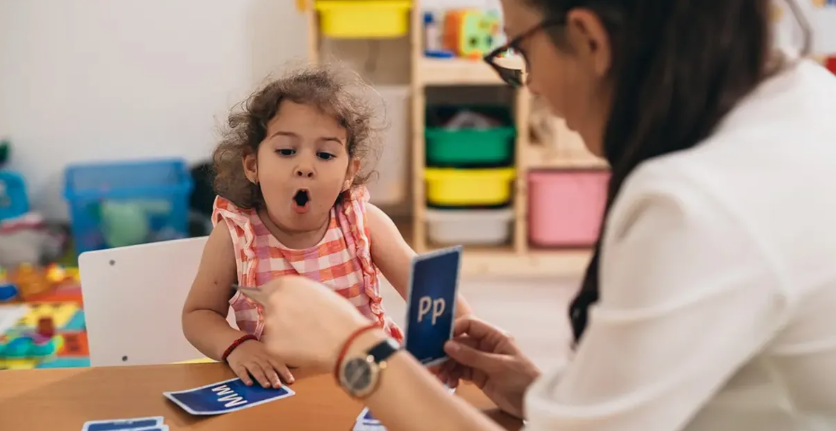
Why Early Speech Therapy Matters for Families in Wapda Town, Lahore

Every child develops at their own pace, especially when it comes to learning how to speak, understand language, and communicate with others. However, when a child experiences difficulties with speech or language development, early support can make a meaningful difference in their communication journey.
For families living in Wapda Town, Lahore, understanding the importance of early speech therapy can help them recognize developmental concerns and take appropriate steps toward supporting their child's growth. Early intervention gives children opportunities to develop communication skills, build confidence, and participate more comfortably in everyday activities.
Understanding Early Speech and Language Development
Speech and language development begins long before a child speaks their first word. Babies communicate through eye contact, facial expressions, gestures, sounds, and body movements. As they grow, they gradually learn to understand words, follow instructions, express their needs, and form sentences.
Speech refers to how a person produces sounds and words, while language involves understanding and using words to communicate ideas, thoughts, and feelings. Children may experience difficulties with one or both of these areas.
Some children may struggle with pronunciation, while others may have difficulty understanding instructions, forming sentences, or communicating their thoughts. Recognizing these differences is an important first step toward identifying whether professional support may be helpful.
Why Early Speech Therapy Matters for Children
Early childhood is an important period for learning and development. When communication difficulties are identified early, children can receive appropriate support during these foundational years.
1. Supports Better Communication Skills
Early speech therapy helps children develop the ability to express their needs, thoughts, emotions, and ideas more effectively. Through age-appropriate activities, a speech therapist works on vocabulary, sentence formation, listening skills, pronunciation, and other communication abilities.
Improved communication can help children interact more comfortably with parents, siblings, teachers, and peers.
2. Helps Identify Speech and Language Delays Early
Parents sometimes assume that a child who speaks late will eventually catch up without assistance. Although children develop at different rates, persistent communication difficulties should not be ignored.
Early assessment helps identify areas where a child may need additional support. It also allows families to better understand their child's strengths, challenges, and developmental needs.
3. Builds Confidence and Reduces Frustration
Children who have difficulty communicating may become frustrated when others cannot understand what they are trying to say. They may avoid conversations, struggle to express emotions, or find it difficult to participate in group activities.
Speech therapy provides opportunities to practice communication in a supportive environment. As children develop new skills, they may become more confident expressing themselves and interacting with others.
4. Encourages Social Interaction
Communication plays an important role in making friends, participating in classroom activities, and developing relationships.
Early speech therapy can help children learn conversational skills, understand social cues, take turns speaking, and respond appropriately during interactions. These skills support more positive social experiences at home, in school, and within the community.
5. Supports Learning and School Readiness
Language skills are closely connected to early learning. Children use language to understand instructions, ask questions, learn new concepts, and participate in classroom discussions.
When communication difficulties are addressed early, children can receive support in developing listening, comprehension, vocabulary, and expressive language skills. These abilities can help prepare them for educational activities and future learning.
Common Signs That a Child May Need Speech Therapy
Parents and caregivers are often the first to notice changes or concerns in a child's communication development. Although every child is different, certain signs may indicate that a professional evaluation is worth considering.
Some common signs include:
-
A child is not using words or gestures as expected for their age.
-
Difficulty understanding simple instructions or everyday questions.
-
Limited vocabulary or trouble combining words into sentences.
-
Frequent difficulty pronouncing sounds or words clearly.
-
Stuttering, repeated sounds, or noticeable interruptions in speech.
-
Difficulty communicating needs, feelings, or thoughts.
-
Limited interaction or difficulty participating in conversations.
-
Loss of previously developed speech or communication skills.
These signs do not automatically mean that a child has a speech disorder. However, if parents have concerns, seeking professional guidance is better than waiting without knowing whether support is needed.
Speech and Language Development Milestones Parents Should Know
Developmental milestones provide general guidance about the communication skills children commonly develop as they grow. They are not a diagnostic checklist, but they can help parents recognize when further assessment may be appropriate.
| Age | Common communication skills |
|---|---|
| 6–12 months | Babbling, responding to sounds, using gestures, and beginning to understand familiar words |
| 12–18 months | Using first words, recognizing familiar names, and communicating basic needs |
| 18–24 months | Learning new words, combining words, and following simple instructions |
| 2–3 years | Using short sentences, asking simple questions, and communicating more clearly |
| 3–5 years | Developing longer sentences, improving pronunciation, and participating in conversations |
If a child is not developing expected skills, parents should consider discussing their concerns with a qualified professional. Developmental regression, such as losing previously acquired communication abilities, requires prompt evaluation.
What Happens During Speech Therapy Sessions?
Many parents are unfamiliar with the speech therapy process and may wonder whether sessions involve formal lessons or repetitive exercises. In reality, therapy for young children is often interactive, engaging, and adapted to their developmental level.
A speech therapist may use:
Play-Based Learning
Toys, picture cards, puzzles, pretend play, and storytelling can encourage children to communicate naturally. These activities help develop vocabulary, sentence formation, and conversational abilities.
Speech Sound Practice
Children who struggle with pronunciation may practice specific sounds, words, and phrases through structured exercises designed according to their individual needs.
Language Development Activities
Activities may focus on naming objects, understanding instructions, answering questions, describing pictures, and forming sentences.
Social Communication Activities
Children may practice taking turns, maintaining conversations, expressing emotions, and interacting with others in appropriate ways.
Parent Guidance
Parents and caregivers may receive practical strategies to encourage communication during everyday routines. This helps children practice their developing skills outside therapy sessions.
The specific approach depends on the child's age, communication abilities, assessment findings, and individual goals.
How Parents Can Encourage Speech Development at Home
Professional speech therapy can be supported through simple everyday interactions. Parents do not need expensive toys or complicated activities to encourage communication.
Here are some practical strategies:
Talk throughout the day: Describe everyday activities such as preparing meals, getting dressed, or playing together. This exposes children to useful words and phrases.
Read books together: Picture books encourage children to identify objects, listen to stories, answer questions, and learn new vocabulary.
Listen and respond: Give children time to communicate without rushing or interrupting them. Respond positively to their attempts to express themselves.
Use simple and clear language: Speak in short sentences that match the child's current communication level, gradually introducing more complex language.
Encourage play: Interactive play provides natural opportunities for children to request objects, describe actions, ask questions, and engage in conversations.
Avoid excessive screen time: Prioritize real-life interaction, conversation, and shared activities over passive screen exposure.
Practice consistently: Small communication opportunities throughout the day can complement professional therapy and help children use their skills in different situations.
Finding Speech Therapy Support in Wapda Town, Lahore
For families in Wapda Town, Lahore, finding appropriate speech therapy support can be an important step toward addressing their child's communication needs.
Choosing a professional service involves considering the therapist's qualifications, experience, assessment approach, treatment methods, and ability to work collaboratively with parents.
Families looking for professional guidance can explore Rehab Care Lahore, which provides information about rehabilitation and therapy services.
Parents can also learn more about available speech therapy services in Lahore to understand how professional support may help children with speech and language difficulties.
A suitable therapy plan should be based on the child's individual needs rather than a one-size-fits-all approach. Regular communication between parents and the therapist can help track progress and adjust goals when necessary.
Why Parental Involvement Is Important
Parents play an essential role in their child's communication development. Speech therapy is not limited to the time a child spends with a therapist. Everyday conversations, playtime, family activities, and shared experiences provide valuable opportunities to practice communication.
When parents understand the strategies used during therapy, they can reinforce learning in familiar environments. This consistent support may help children apply their developing skills in real-life situations.
A collaborative approach also allows therapists to understand the child's interests, family routines, home language, and communication preferences. These factors help make therapy more meaningful and practical.
Frequently Asked Questions
At what age should a child start speech therapy?
Speech and language support can begin in infancy when concerns are identified. There is no need to wait until a child starts school. Early assessment helps determine whether therapy is appropriate for the child's developmental needs.
Can a child overcome speech delays without therapy?
Some children may develop certain skills naturally, but others need professional support. An evaluation helps determine whether a child is progressing as expected or would benefit from intervention.
How long does speech therapy take to show results?
Progress varies depending on the child's age, specific difficulties, consistency of sessions, and individual learning needs. Some children demonstrate progress relatively quickly, while others require ongoing support.
Can parents support speech therapy at home?
Yes. Parents can encourage communication through conversations, reading, play, and everyday activities. However, home strategies should complement professional guidance when a child has identified speech or language difficulties.
Is speech therapy only for children who cannot speak?
No. Speech therapy also supports children who speak but struggle with pronunciation, stuttering, understanding language, forming sentences, social communication, or other speech and language challenges.
Conclusion
Early speech therapy can play a valuable role in helping children develop communication skills, confidence, social interaction, and readiness for learning. For families in Wapda Town, Lahore, recognizing potential speech and language concerns and seeking timely professional guidance can make the process of supporting a child's development more informed and effective.
Every child has individual strengths and developmental needs. With appropriate assessment, professional guidance, and consistent family involvement, children can receive meaningful support to improve their communication and participate more confidently in everyday life.
Taking the first step early can help parents better understand their child's needs and create a supportive environment for continued growth.