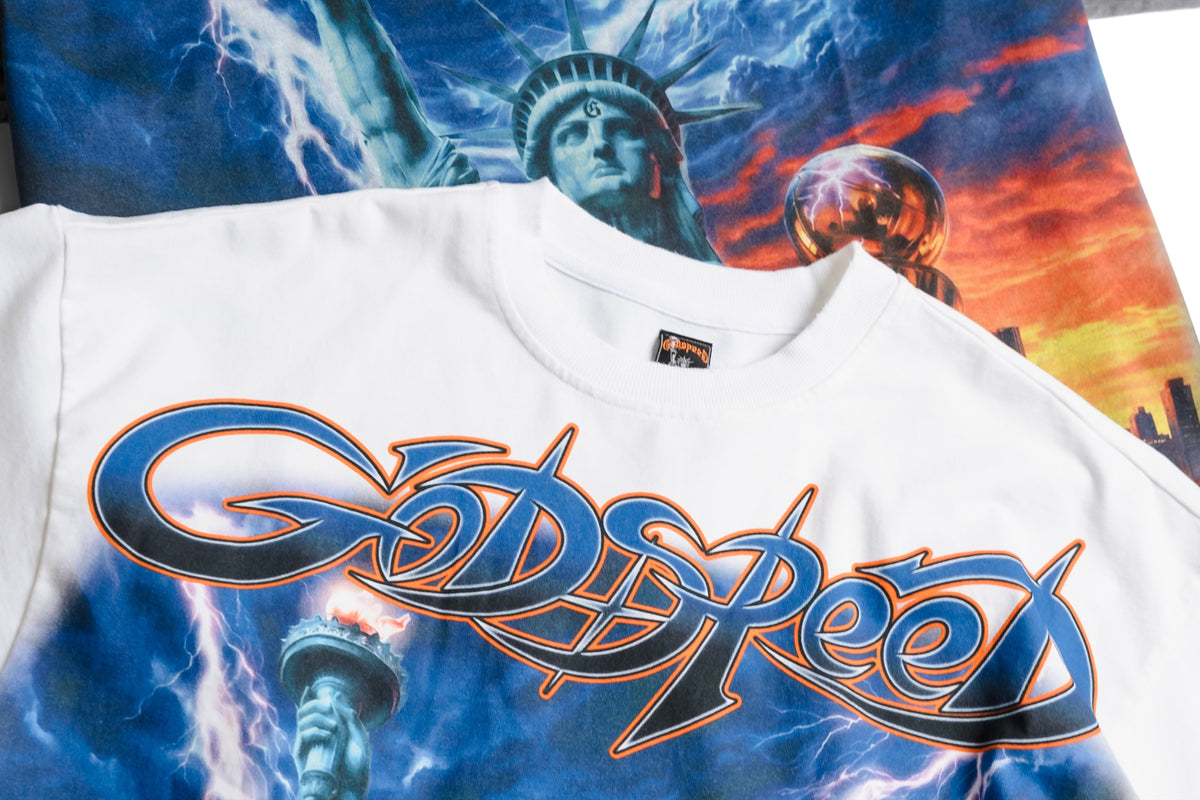
Godspeed Streetwear and the Role of Fashion in Language and Translation

How Language Shapes the Fashion Experience
Fashion connects people across countries, cultures, and creative communities, but language influences how they discover and understand clothing. Product names, descriptions, size guides, and brand messages all help shoppers interpret what a business offers. When these details are unclear or poorly translated, customers may struggle to make informed decisions. Godspeed Clothing provides a useful context for exploring how language affects the relationship between streetwear brands and international audiences. Clear communication helps fashion ideas travel across language boundaries while allowing customers to understand the details behind their purchases.
Fashion Terminology Across Different Languages
Streetwear includes many terms that describe silhouettes, garment categories, design elements, and styling approaches. Some words are widely recognized internationally, while others have meanings that change depending on local fashion culture. A term describing a relaxed fit, for example, may be interpreted differently by shoppers unfamiliar with a particular market's terminology. Fashion businesses should use language that communicates the intended meaning instead of assuming every customer understands industry expressions. Simple explanations can make product information more accessible without removing the creative character of a brand's vocabulary.
Why Product Descriptions Need Clear Translation
A product description should help customers understand what they are considering. Translating it word for word may not always produce a natural or useful result because expressions can carry different meanings in different languages. Translators should preserve the original information while choosing wording that makes sense to the intended audience. A Godspeed Shirt description, for instance, should communicate the confirmed design and relevant product details clearly rather than relying on expressions that may become confusing when translated. Accuracy matters more than using complicated language to sound fashionable.
Preserving Brand Identity Across Languages
A fashion label may use a distinctive tone, naming approach, or creative vocabulary to establish its identity. Translating brand communication requires care because changing every expression can remove some of its original personality. At the same time, preserving unusual wording without explanation may make the message difficult for international customers to understand. A balanced approach keeps important names and identity elements recognizable while adapting surrounding explanations for local readers. Consistency across product pages, social media, and customer support helps audiences recognize the same brand regardless of the language they use.
Understanding Size Terms in International Markets
Clothing terminology can create confusion when customers shop across borders. Words such as slim, regular, oversized, cropped, and relaxed may not communicate exactly the same expectations to every shopper. Size charts and measurements provide a more dependable reference than translated fit labels alone. Businesses should explain how measurements are taken and use consistent terms across their listings. Customers can then compare the information with garments they already own. Clear language combined with practical measurements makes international sizing information easier to understand.
Translating Care Instructions Correctly
Care instructions are important because customers need to understand how to look after their clothing. A poorly translated instruction could create confusion about washing temperatures, drying methods, ironing, or other garment-care practices. Businesses should use familiar wording and preserve the meaning of the original guidance. They should not add care claims that have not been confirmed for the specific product. Clear instructions are particularly valuable for international shoppers who may use different names for household equipment, washing methods, or clothing materials.
The Role of Local Cultural Context
Language is connected to culture, so a phrase that feels natural in one market may sound unusual or carry an unintended meaning elsewhere. Fashion brands communicating internationally should consider local expressions, reading habits, and cultural references. This does not mean removing every distinctive element from a brand's communication. Instead, it means understanding which expressions need explanation and which should remain unchanged. Respectful localization can help a message feel understandable without relying on stereotypes or assuming that every person in a country shares the same preferences.
Making Fashion Websites Easier to Navigate
Website navigation should use familiar category names and clear labels. Customers should be able to identify product sections, sizing information, shipping policies, and support pages without needing specialist vocabulary. If a website offers multiple language options, its navigation and important policies should be translated consistently. A Godspeed Hat category page, for example, should make it easy for visitors to understand what the section contains and how to explore the available information. Clear navigation supports a smoother shopping experience for people with different language backgrounds.
Improving Customer Support Through Multilingual Communication
International customers may have questions that are difficult to explain in a second language. Businesses can make support more accessible by using straightforward language, organizing common answers, and providing clear instructions for contacting the appropriate team. When multilingual support is available, responses should preserve the meaning of the original information rather than relying on confusing automated translations. Support staff should also avoid technical expressions when a simpler explanation will answer the question. Good communication helps customers understand available options and reduces the likelihood of misunderstandings.
Avoiding Misleading Translations in Fashion Marketing
Marketing language often uses creative descriptions, but translations should not change the meaning of product claims. A phrase that sounds persuasive in one language might become an exaggerated promise in another. Businesses should review translated content to ensure it remains accurate, understandable, and consistent with the actual product information. Claims about materials, construction, origin, or performance should only appear when they can be verified. This approach protects customer expectations and helps maintain credibility across different markets.
How Language Influences Fashion Communities
Online fashion communities bring together people who discuss clothing, styling, design, and personal interests in different languages. Shared terminology can help members exchange ideas, but unfamiliar expressions may create barriers for newcomers. Explaining terms, avoiding unnecessary jargon, and welcoming questions can make discussions more inclusive. Streetwear conversations often develop through social platforms where language moves quickly between communities. Clear communication allows more people to participate in these conversations and share their own perspectives.
Creating a More Accessible International Shopping Experience
An accessible shopping experience considers how different customers read, interpret, and use information. Businesses can review translated product pages, simplify complicated sentences, and check that important policies remain easy to locate. Customers should also be able to identify the currency, measurements, and delivery conditions relevant to their location. For shoppers considering Godspeed Shorts, clear descriptions and understandable sizing details can make the decision process more practical. The goal is not simply to translate a website but to make its information genuinely useful to the people visiting it.
Why Is Translation Important for Fashion Brands?
Translation helps international customers understand product details, brand messages, sizing information, and store policies. Accurate communication makes fashion information more accessible across different language communities.
Should Fashion Product Names Be Translated?
Not always. Brand names and distinctive product names may need to remain unchanged, while their descriptions can be translated to explain the item clearly to local audiences.
Why Can Direct Word-for-Word Translation Cause Problems?
Expressions can carry different meanings across languages. A direct translation may sound unnatural or create confusion, so the wording should preserve the original meaning in a way that feels clear to the intended readers.
How Can Customers Understand International Clothing Sizes?
Customers should use actual garment measurements and compare them with clothing they already own. Fit descriptions can provide additional context, but measurements are generally more useful than translated size labels alone.
What Makes Multilingual Fashion Communication Effective?
Effective communication uses accurate translations, familiar wording, consistent terminology, and clear explanations. It preserves the brand's identity while making essential information understandable to international customers.